Wellness for Seniors: Gentle Practices for Vitality
Jul 26, 2026
Growing older brings wisdom, perspective, and the opportunity to deepen your relationship with your body and mind. Wellness for seniors isn't about reversing time or chasing youth. It's about cultivating vitality, maintaining independence, and finding peace in each day. The practices that support healthy ageing honour where you are now while gently expanding what's possible. Whether you're managing stiffness, seeking better balance, or simply wanting to feel more energised, the path to wellness begins with small, consistent actions rooted in self-compassion and ancient wisdom.
Understanding Wellness for Seniors Beyond Exercise
Wellness for seniors encompasses far more than physical fitness. It's a holistic approach that weaves together movement, mental clarity, emotional balance, and purpose.
Traditional views often separate these elements, treating body and mind as distinct concerns. But authentic wellness recognises their deep connection. When you move with awareness, your mind settles. When you breathe with intention, tension releases from muscles you didn't know were tight.
The Four Pillars of Senior Vitality
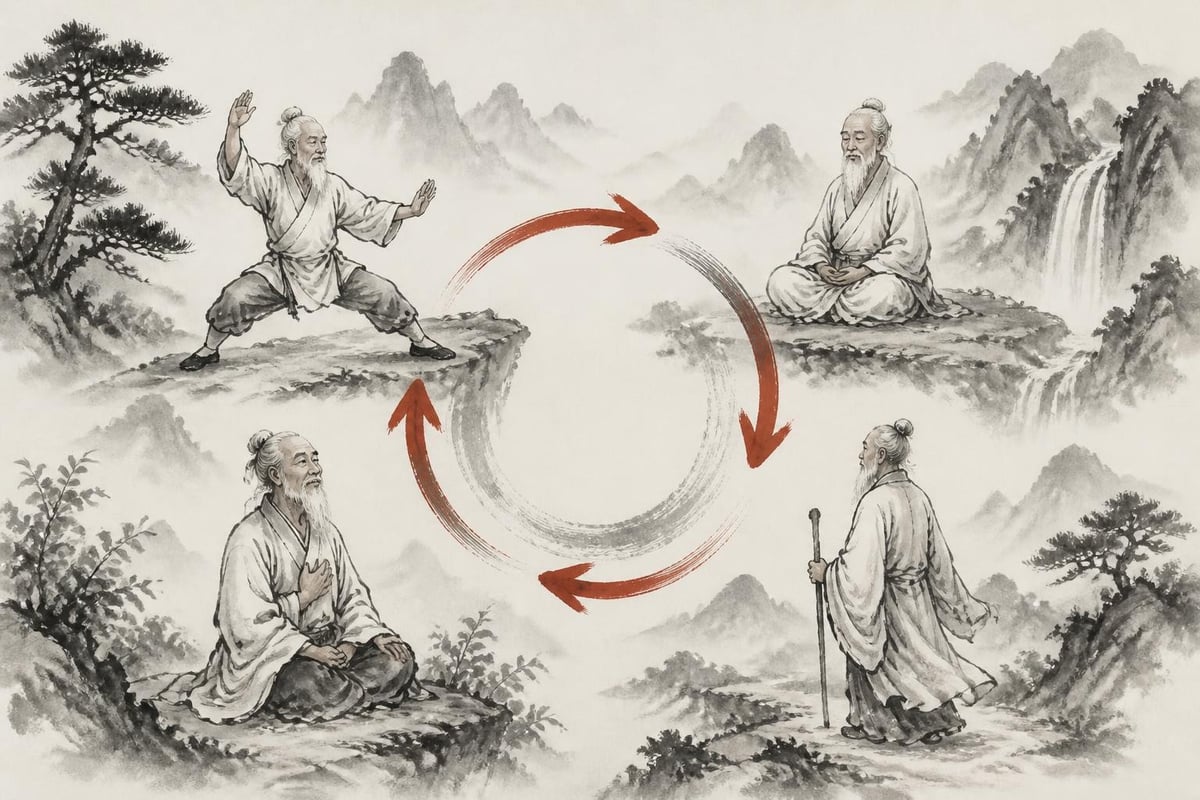
A complete approach to wellness for seniors rests on four foundational pillars:
- Physical movement that builds strength without strain
- Mental practices that sharpen focus and calm racing thoughts
- Emotional balance through stress reduction and community connection
- Purposeful living aligned with your values and capacities
Each pillar supports the others. Gentle movement improves sleep, which enhances mental clarity, which reduces anxiety, which makes movement feel easier. This positive cycle creates sustainable wellness rather than temporary fixes.
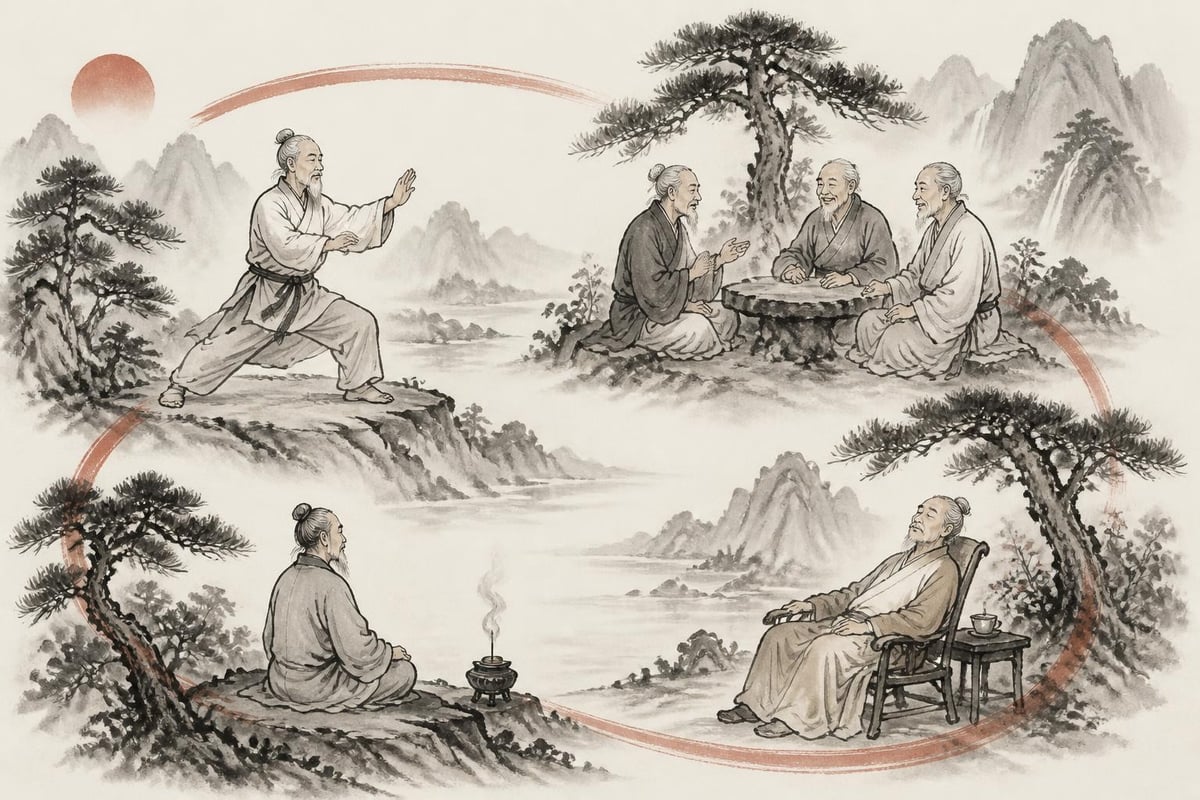
Many older adults discover that exploring ancient wellness practices offers frameworks that integrate all four pillars naturally. These time-tested approaches weren't designed for quick results but for lifelong cultivation of health and harmony.
Movement Practices That Honour Your Body
The movement component of wellness for seniors requires special attention to safety, sustainability, and enjoyment. Harsh exercise programmes often do more harm than good, creating injury risk and discouragement.
Gentle, flowing practices offer a better path. These movements work with your body's natural rhythms rather than against them, building strength and flexibility gradually while improving balance and mobility.
Why Tai Chi and Qi Gong Excel for Older Adults
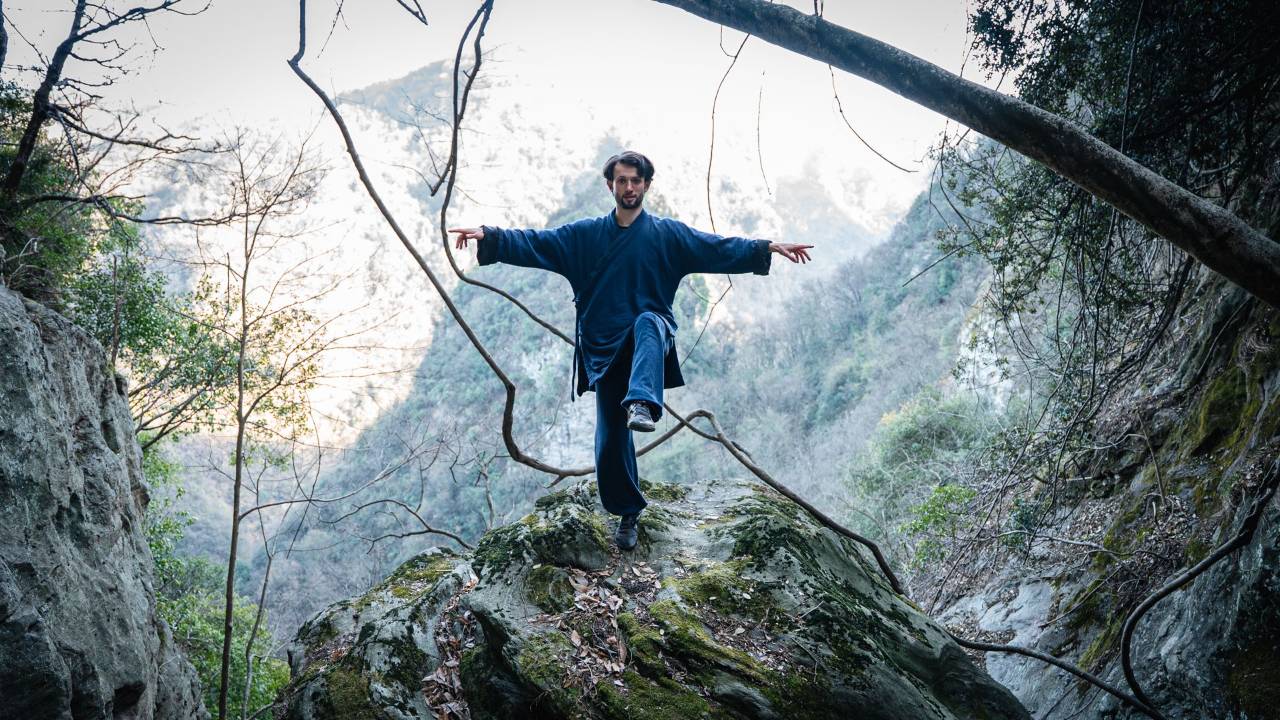
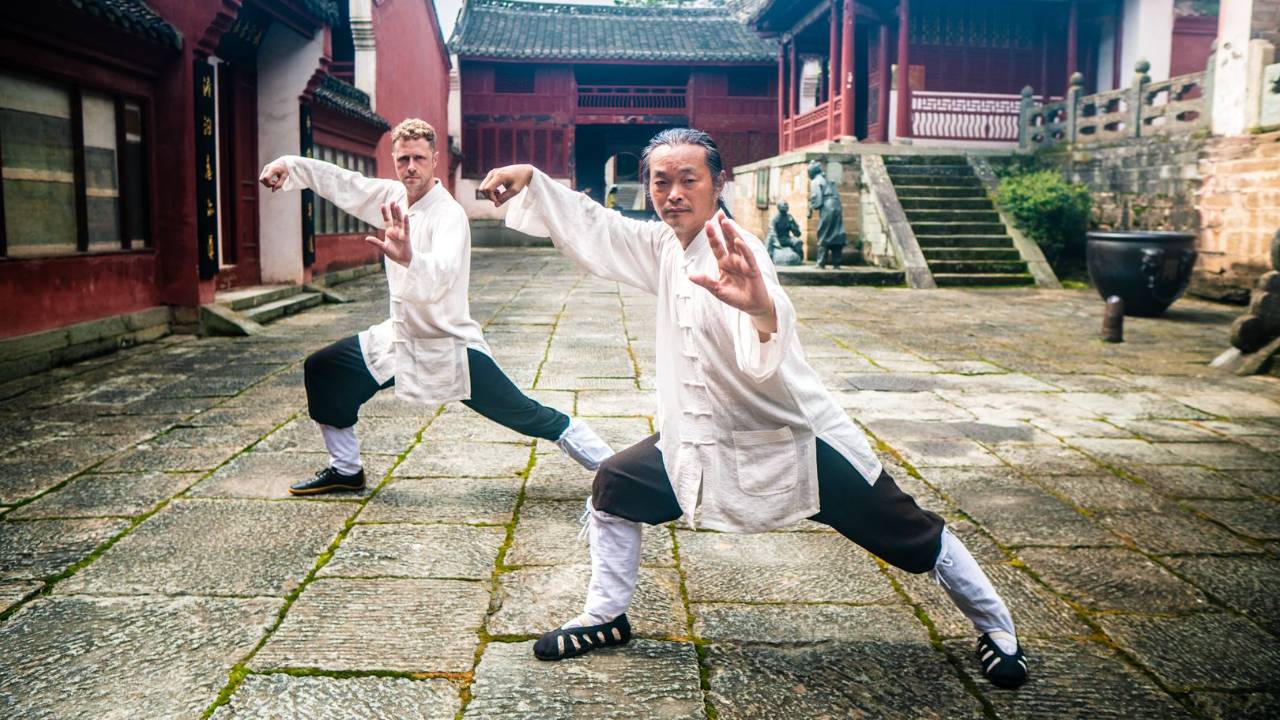
Wudang Tai Chi and Qi Gong stand out among movement practices for seniors because they specifically address the challenges ageing bodies face:
| Benefit | How It Helps Seniors |
|---|---|
| Low Impact | No jumping or jarring movements that stress joints |
| Balance Training | Controlled weight shifts reduce fall risk significantly |
| Adaptable Intensity | Practise seated or standing, adjust to your energy level |
| Breath Coordination | Improves lung capacity and cardiovascular health |
| Mental Engagement | Learning sequences keeps the mind sharp and focused |
These practices don't just maintain function. They restore capabilities many people thought they'd lost. Students often report standing straighter, moving more freely, and feeling more confident in their bodies after consistent practice.
The slow, deliberate movements of our Tai Chi course teach your nervous system to coordinate balance and strength in ways that transfer to everyday activities like walking, reaching, and preventing falls.
Here's Master Gu explaining the principles of balance in Tai Chi - an ideal introduction to how this practice works and why it's so beneficial for older adults:
Creating a Sustainable Movement Routine
Start where you are, not where you think you should be. Five minutes of mindful movement daily creates more benefit than an hour once a week.
- Choose a consistent time when your energy is good and you won't be interrupted
- Start with simple breathing exercises to centre yourself before moving
- Practise basic movements slowly, focusing on stability and comfort
- Gradually increase duration as the practice becomes familiar
- Listen to your body and rest when needed without judgement
Your practice evolves as you do. Some days you'll move for twenty minutes. Other days, five minutes of gentle stretching might be exactly right. Both are valuable contributions to your wellness for seniors journey.
Breathing Techniques for Energy and Calm
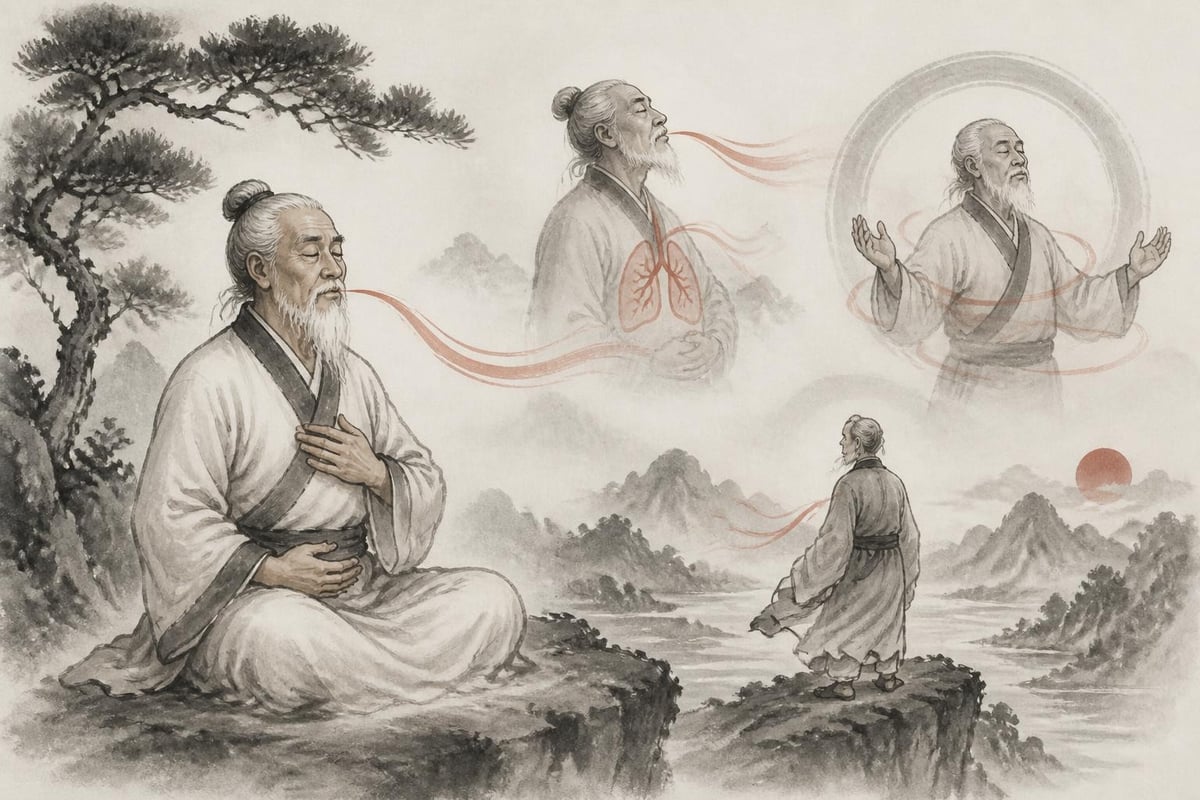
Breath is the bridge between body and mind, and learning to work with it consciously transforms your daily experience. Most people breathe shallowly, using only the top portion of their lungs, which signals stress to the nervous system.
Deep, diaphragmatic breathing activates the relaxation response, lowers blood pressure, and delivers more oxygen to your cells. This isn't complicated breathing. It's returning to the natural, full breathing you did effortlessly as a child.
Simple Breathing Practices You Can Start Today
- Natural breathing observation: Sit comfortably and simply notice your breath for two minutes without trying to change it
- Belly breathing: Place one hand on your chest and one on your belly; breathe so the belly hand rises while the chest hand stays relatively still
- Extended exhale: Breathe in for a count of four, breathe out for a count of six; this calms the nervous system quickly
- Morning energising breath: Take three deep breaths upon waking, imagining fresh energy entering your body
These techniques form the foundation of our Qi Gong course, where breath and movement combine to cultivate and circulate vital energy throughout your body.
Many seniors find that ten minutes of breathing practice before bed improves sleep quality dramatically. The mind settles, physical tension releases, and the body naturally shifts into rest mode.
Mental Clarity and Cognitive Wellness
Wellness for seniors must include practices that keep the mind sharp, adaptable, and peaceful. Cognitive health isn't just about memory. It's about maintaining focus, processing information effectively, and staying engaged with life.
Learning new skills provides excellent cognitive exercise. When you learn a Tai Chi form or meditation sequence, you're creating new neural pathways and strengthening existing ones. This neuroplasticity keeps your brain healthy and resilient.
Meditation Practices for Older Adults
Meditation doesn't require sitting cross-legged for hours or emptying your mind completely. Simple, accessible practices create profound benefits:
- Seated awareness meditation: Sit comfortably and gently focus on your breathing for 5-10 minutes
- Walking meditation: Move slowly and deliberately, coordinating breath with steps
- Body scan: Mentally travel through your body, releasing tension in each area
- Guided visualisation: Follow along with recordings that lead you through peaceful imagery
The principles taught in our Taoist Meditation course emphasise natural awareness rather than forced concentration. This gentler approach suits older practitioners beautifully, creating calm without strain.
Research consistently shows that regular meditation practice improves memory, reduces anxiety and depression, and enhances overall quality of life for seniors. Even five minutes daily makes a measurable difference.
Building Community and Connection
Social wellness matters deeply as we age. Isolation contributes to cognitive decline, depression, and even physical health problems. Wellness for seniors thrives when practised within a supportive community.
Joining a class, whether in-person or online, provides accountability, encouragement, and shared experience. You're not just learning techniques. You're becoming part of something larger than yourself.
Many practitioners find that connecting with fellow students through the Taoist Wellness Online community creates meaningful friendships and ongoing support. Geography no longer limits who you can learn with and from.
The Value of Teacher Guidance
Learning from an experienced instructor accelerates your progress and helps you avoid common mistakes. A skilled teacher observes your practice, offers personalised corrections, and answers questions specific to your situation.
Working with someone who understands the unique needs of older students makes wellness practices safer and more effective. You're not trying to adapt generic instructions designed for younger bodies.
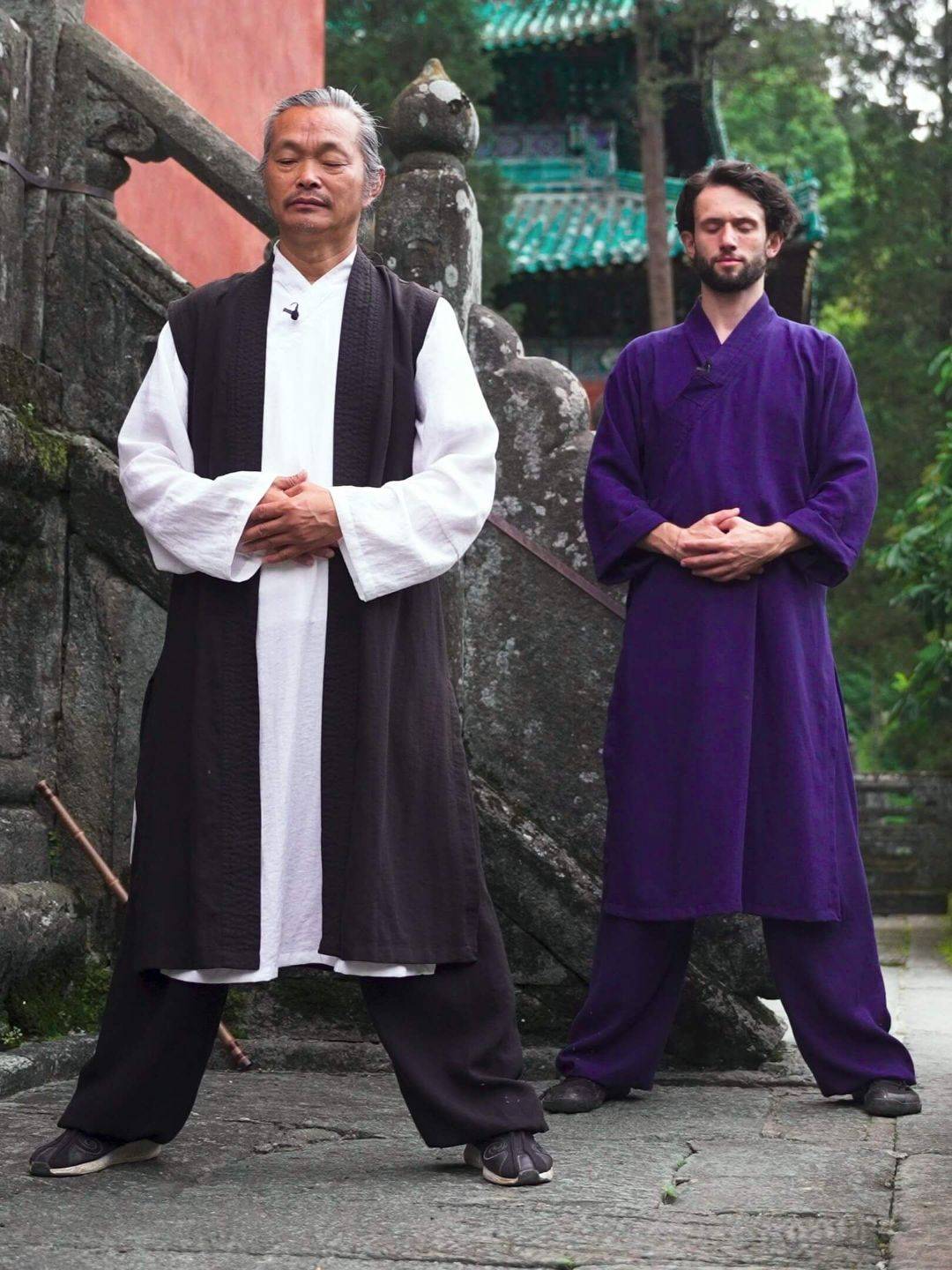
If you're ready to begin building a foundation in gentle movement and mindful practice, our free 4-week Taoist Wellness course offers an accessible entry point with guidance from Master Gu, helping you establish a calmer, more energised daily routine through simple Tai Chi and Qi Gong practices.
Nutrition and Lifestyle Foundations
Movement and meditation create powerful wellness benefits, but they work best alongside sound nutrition and healthy daily habits. Wellness for seniors includes paying attention to what fuels your body and how you structure your days.
Essential Nutrition Considerations
| Nutrient Focus | Why It Matters for Seniors | Simple Sources |
|---|---|---|
| Protein | Maintains muscle mass and strength | Eggs, fish, beans, Greek yogurt |
| Calcium & Vitamin D | Supports bone density and prevents fractures | Dairy, leafy greens, fortified foods |
| Fibre | Aids digestion and heart health | Whole grains, vegetables, fruits |
| Healthy Fats | Supports brain function and reduces inflammation | Nuts, avocados, olive oil, fatty fish |
| Hydration | Prevents confusion, maintains energy, supports all body systems | Water, herbal tea, water-rich foods |
Making informed choices about nutrition and lifestyle habits is a key part of supporting your vitality as you age.
Many older adults don't drink enough water because thirst signals diminish with age. Set reminders if needed. Keep a water bottle visible. Your body and mind function better when properly hydrated.
Sleep Quality and Recovery
Quality sleep becomes both more important and more elusive as we age. Wellness for seniors must address sleep as a foundation for everything else. Without adequate rest, movement feels harder, mood suffers, and health declines.
Common sleep disruptors for older adults include:
- Medication side effects
- Pain or discomfort
- Anxiety about health or life changes
- Poor sleep environment
- Irregular sleep schedule
Creating Better Sleep Conditions
Simple adjustments often yield significant improvements:
- Maintain consistent sleep and wake times, even on weekends
- Create a dark, cool, quiet bedroom optimised for rest
- Practise gentle stretching or Qi Gong before bed to release physical tension
- Limit screen time for at least an hour before sleep
- Use breathing exercises if you wake during the night instead of checking the clock
The evening is an ideal time for gentle Taoist wellness practices that signal your body to shift into rest mode. A short sequence of slow movements and conscious breathing prepares you for deep, restorative sleep.
Managing Stress and Emotional Balance
Stress doesn't disappear with age. Sometimes it intensifies as you navigate health concerns, loss of loved ones, or changes in independence. Wellness for seniors requires tools for processing emotions and maintaining equilibrium during difficult times.
The ancient practices of Tai Chi and Qi Gong were developed partly as stress management systems. When you move slowly with focused awareness, your stress response naturally downregulates. Your breath deepens. Your shoulders drop. Your mind settles into the present moment.
Practical Stress Reduction Strategies
- Daily movement practice that you genuinely enjoy and can sustain
- Regular connection with friends, family, or community groups
- Time in nature, even if just sitting outside for ten minutes
- Creative expression through art, music, writing, or crafts
- Service to others in whatever capacity feels meaningful and manageable
If you're experiencing significant stress or navigating major life transitions, speaking with your GP or a qualified counsellor is always a worthwhile step alongside any wellness practice.
Adapting Wellness Practices to Your Unique Needs
No two people age identically. Your wellness for seniors approach should reflect your specific body, health history, interests, and goals. What works beautifully for your neighbour might not suit you at all.
If you have arthritis, certain movements might need modification. If you use a wheelchair, many practices adapt to seated positions. If you have hearing or vision challenges, you might prefer certain teaching formats over others. Our post on Tai Chi for arthritis and fall prevention goes into exactly this kind of adaptation in helpful detail.
Personalising Your Practice
Start with what draws you. If breathing exercises resonate, begin there. If gentle movement calls to you, start with basic stretches or simple Qi Gong forms.
Pay attention to how different practices affect you:
- Energy levels throughout the day
- Sleep quality and ease of falling asleep
- Pain or stiffness in your body
- Mental clarity and emotional state
- Overall sense of well-being
Adjust based on these observations. Your practice should feel supportive and sustainable, not draining or frustrating. Some days you'll practise longer. Other days you'll simplify. Both honour your wellness journey.
The Role of Purpose and Meaning
Physical health matters tremendously, but wellness for seniors also requires attention to purpose and meaning. What gets you out of bed in the morning? What brings you joy? What contributions do you still want to make?
Taoist philosophy offers profound frameworks for thinking about these deeper questions. The Taoist approach emphasises living in harmony with natural rhythms, accepting change with grace, and finding contentment in simplicity.
Many older adults discover new passions or revisit old ones. Some dive into learning ancient practices that connect them to wisdom traditions spanning thousands of years. Purpose doesn't require grand gestures. It lives in daily choices: how you treat others, what you pay attention to, how you spend your time and energy. Wellness for seniors flourishes when movement, mindfulness, and meaning weave together into a life that feels rich and worthwhile.
Supporting Long-Term Health and Vitality
The true measure of wellness for seniors isn't how you feel after one good week. It's the trajectory you're on over months and years. Small, consistent practices compound into remarkable results.
Consider where you want to be in five years:
- How do you want to move through your daily activities?
- What level of independence matters to you?
- What experiences do you still want to have?
- How do you want to feel in your body and mind?
Working backward from that vision helps you choose practices that serve your long-term goals. A daily ten-minute routine practised for years creates more benefit than sporadic intense efforts.
Tracking Progress Without Obsession
Notice improvements without becoming fixated on metrics:
| What to Observe | How It Might Improve |
|---|---|
| Daily energy | More consistent vitality throughout the day |
| Flexibility | Easier reaching, bending, and moving |
| Balance | Greater confidence walking on uneven surfaces |
| Sleep | Falling asleep faster, waking more refreshed |
| Mood | More emotional stability and contentment |
| Social connection | Increased engagement with others |
Some practitioners keep a simple journal noting how they feel after practice. Others prefer informal mental notes. Choose what feels natural and supportive rather than burdensome.
Integrating Ancient Wisdom Into Modern Life
The wellness practices that serve seniors best often come from ancient traditions refined over thousands of years. These aren't trendy fitness programmes that will be forgotten next year. They're time-tested systems for cultivating health, balance, and inner peace.
Wudang Tai Chi and Qi Gong emerged from Taoist monasteries where monks devoted their lives to understanding energy, movement, and consciousness. Modern seniors can access this profound wisdom without leaving home, learning from authentic masters who carry these lineages forward.
The beauty of these practices is their adaptability. You don't need special equipment, expensive gym memberships, or perfect physical condition to begin. You need willingness, consistency, and guidance from someone who understands both the practices and the needs of older students.
For those managing joint discomfort alongside their practice, our post on Tai Chi for knee pain offers practical guidance on practising safely and comfortably.
Wellness for seniors isn't a destination you reach and then maintain effortlessly. It's an ongoing practice of showing up for yourself with compassion, moving your body with awareness, breathing with intention, and staying connected to what matters most. Small daily actions create lasting transformation when sustained with patience and care.
The path to vibrant wellness in your senior years begins with understanding that you have more influence over your health and vitality than you might imagine. Movement, breath, mental clarity, and community support work together to create sustainable well-being that honours where you are while gently expanding what's possible. Take your first steps today with our free 4-week Taoist Wellness course - gentle Tai Chi, Qi Gong, and meditation with Master Gu, designed for every body and every fitness level. When you're ready for more, Taoist Wellness Online offers comprehensive courses in Wudang Tai Chi, Qi Gong, and Taoist meditation under the guidance of Master Gu, a 15th-generation Wudang master with over 25 years of teaching experience.