Thai Chi: Ancient Movement for Modern Wellness
Aug 28, 2026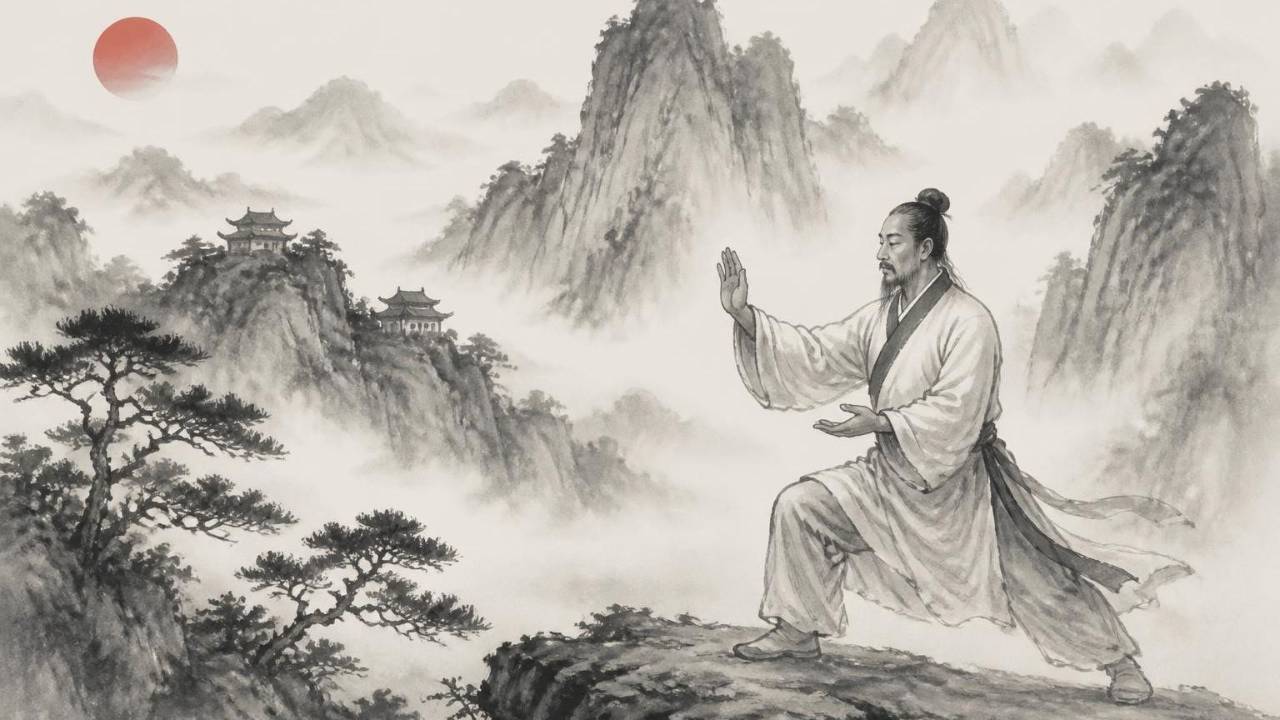
When you first encounter the term "thai chi," you might notice the unusual spelling and wonder about its connection to the more familiar "tai chi." This variation reflects the many ways ancient Chinese practices have been transliterated into English over the years. Regardless of spelling, the essence remains the same: a profound movement art rooted in Taoist philosophy that offers pathways to physical vitality, mental clarity, and energetic balance. Thai chi represents more than exercise, it's a complete system for cultivating life force energy, strengthening the body, and quieting the mind through flowing, intentional movements passed down through generations of masters.
What Thai Chi Really Means
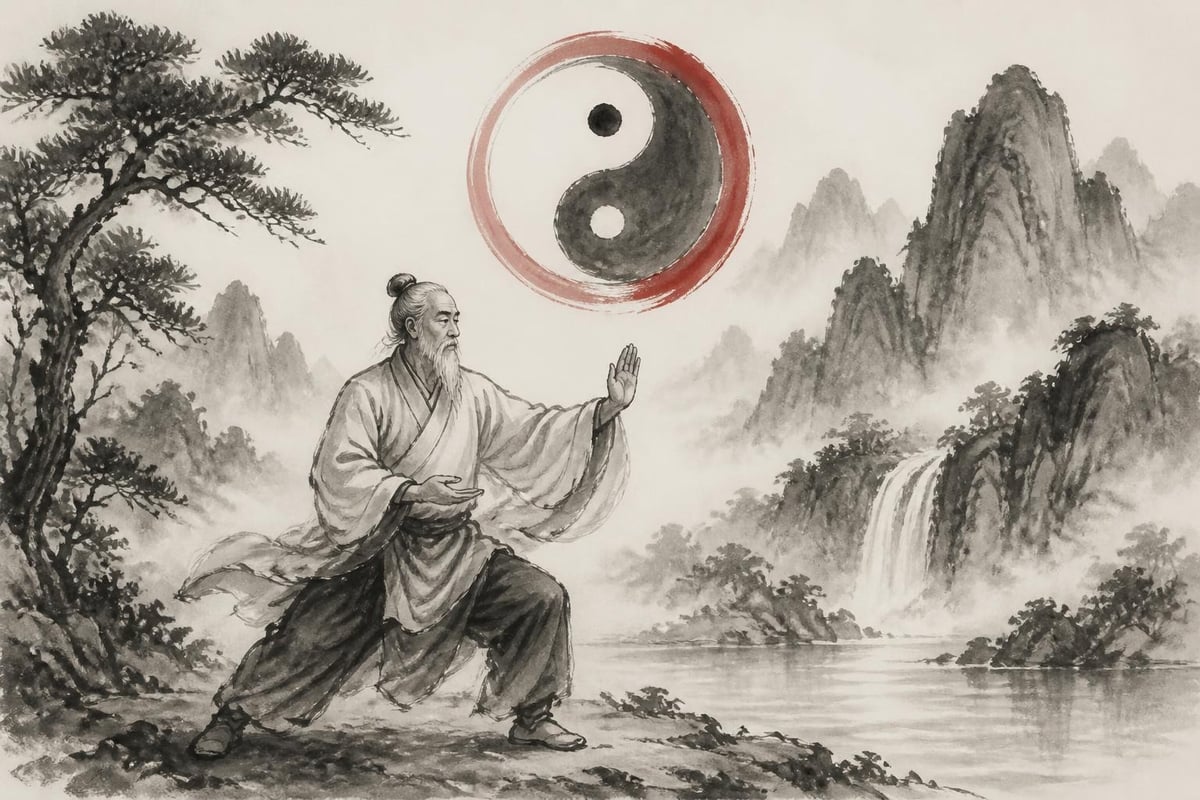
The term "thai chi" refers to the same ancient Chinese practice often spelled "tai chi," which comes from the concept of Tai Ji (or Taiji), meaning "supreme ultimate." This name points to the philosophy underlying the practice: the harmonious interplay of yin and yang, the fundamental complementary forces that shape all existence.
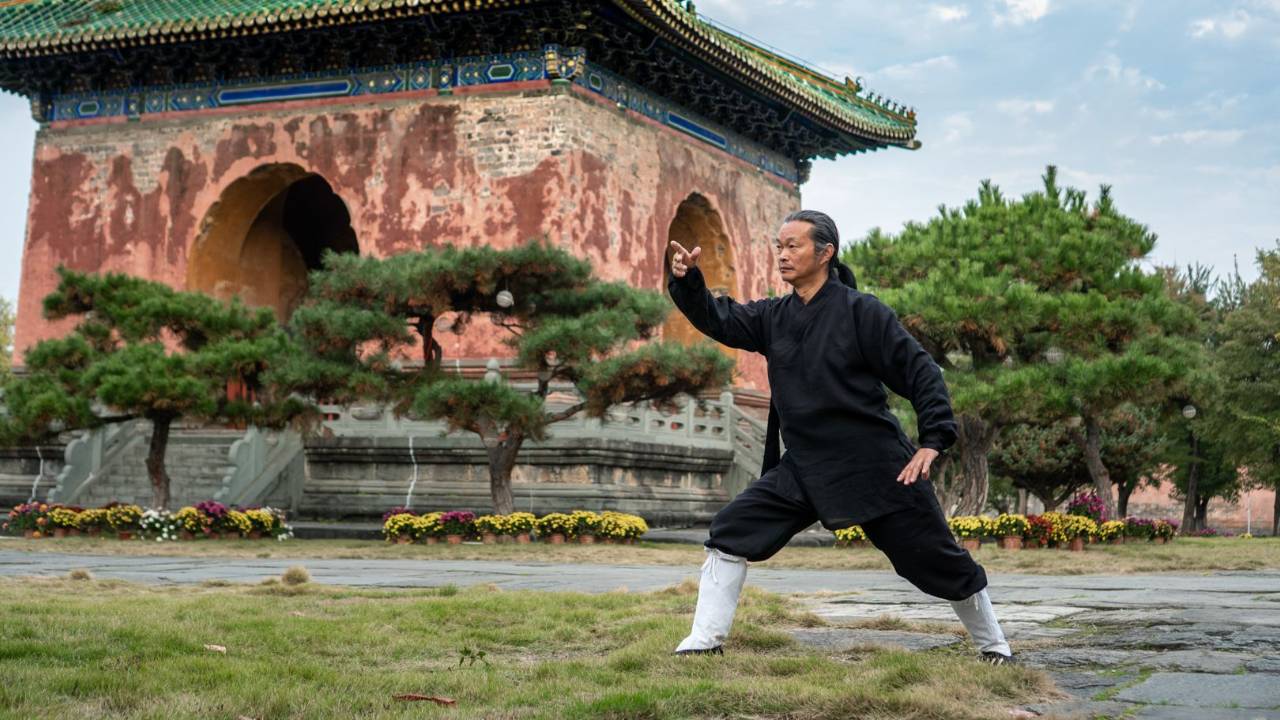
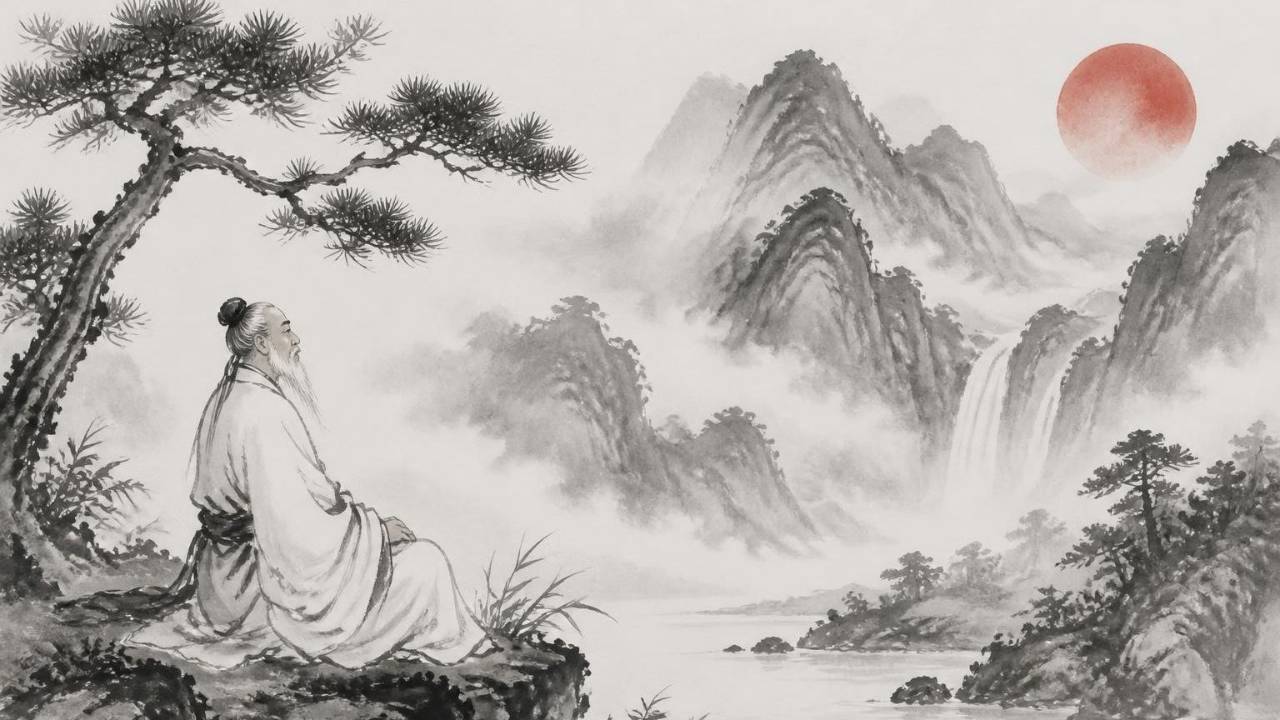
At its core, thai chi represents a moving meditation that originated in China's sacred Wudang Mountains, where Taoist monks developed sophisticated systems for health, longevity, and spiritual cultivation. The practice emerged from centuries of observation, how water flows around obstacles, how trees bend without breaking, how nature maintains balance through constant, gentle adjustment.
The Wudang Lineage
Unlike other martial arts traditions, authentic thai chi from the Wudang lineage emphasises internal energy cultivation over external force. The Wudang forms prioritise smooth, continuous movement that circulates qi (vital energy) throughout the body's meridian pathways. This approach distinguishes Wudang thai chi from other styles that may focus more on martial applications or simplified health routines.
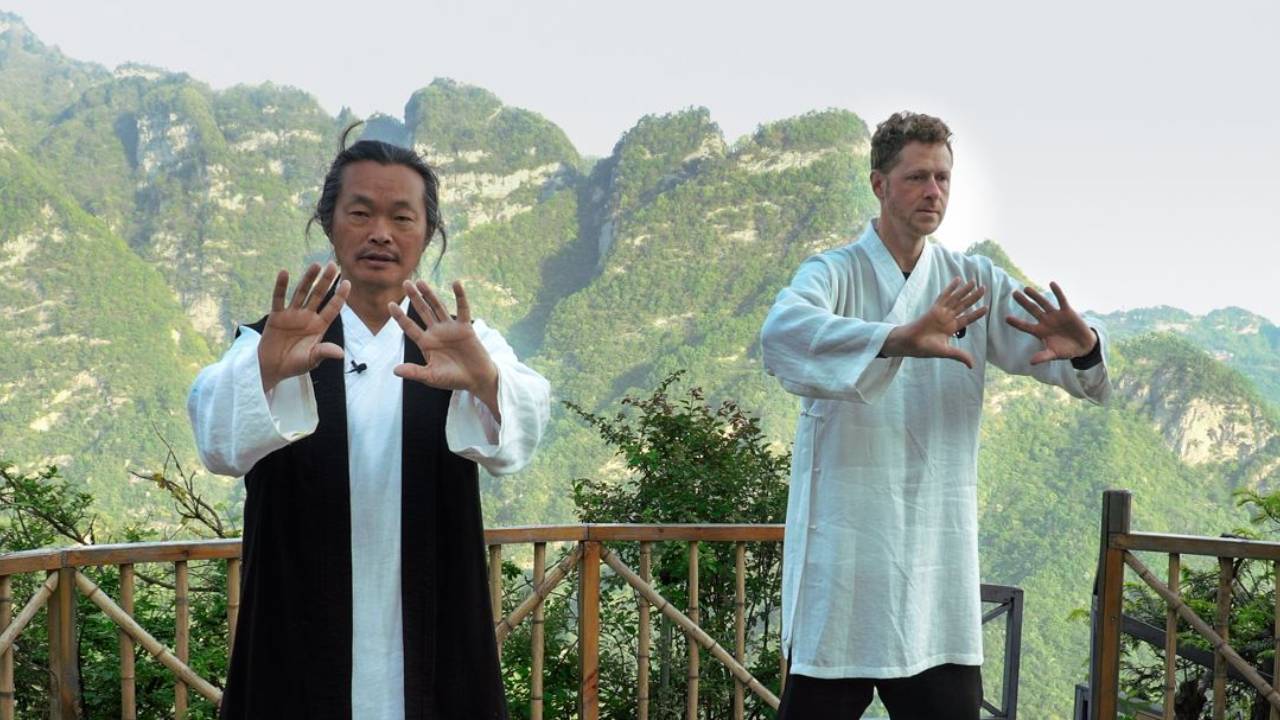
When you practise authentic Wudang forms, you're connecting with a living tradition maintained by masters who've dedicated their lives to understanding these ancient principles. Master Gu, a 15th-generation San Feng Pai Wudang Taoist Master with over 25 years of teaching experience, represents this unbroken lineage of knowledge passed directly from teacher to student for centuries.
Master Gu demonstrates this authentic tradition below, practising Taoist Tai Chi with his international students in the yard of the Laozi Temple in the Wudang Mountains.
Health Benefits That Modern Science Confirms
Research continues to validate what Taoist practitioners have understood for centuries: thai chi offers remarkable benefits for both body and mind. The gentle, flowing movements create profound changes at multiple levels, physical, mental, and energetic.
Physical Improvements
Strength and flexibility develop naturally through thai chi practice without the strain of conventional exercise. The slow, controlled movements engage muscles in new ways, building functional strength that supports daily activities. Your joints move through their full range of motion, maintaining or improving flexibility even as you age.
Balance and coordination improve significantly, which becomes increasingly important for healthy ageing. Studies show that regular thai chi practice reduces fall risk substantially, making it an evidence-based intervention for maintaining independence later in life.
The practice also supports:
- Cardiovascular health through gentle aerobic activity
- Better posture from increased body awareness
- Reduced chronic pain, particularly in the back, neck, and joints
- Enhanced immune function
- Improved sleep quality
Mental and Emotional Wellness
Thai chi functions as a moving meditation, training your mind to remain present and focused. This mental discipline carries into daily life, helping you navigate stress with greater ease and clarity. Our article on Tai Chi for Mental Health: An Unexplored Pathway explores this dimension of practice in more depth.
Cognitive benefits include improved memory, enhanced attention span, and better executive function. Regular practitioners often report feeling mentally sharper and more capable of handling complex tasks.
The practice naturally reduces anxiety and low mood by regulating the nervous system, encouraging the relaxation response, and creating space between stimulus and reaction. You learn to observe thoughts and emotions without being overwhelmed by them.
| Benefit Category | Specific Improvements | Timeline |
|---|---|---|
| Physical | Balance, strength, flexibility | 4-8 weeks |
| Mental | Focus, memory, stress reduction | 2-4 weeks |
| Energetic | Qi flow, vitality, calm | 1-2 weeks |
| Overall Wellbeing | Sleep, mood, resilience | 6-12 weeks |
Understanding Energy Cultivation in Thai Chi
What sets thai chi apart from ordinary exercise is its emphasis on qi cultivation, the deliberate building and circulation of life force energy. This concept might seem abstract at first, but practitioners consistently report tangible sensations: warmth in the hands, tingling along the arms, a sense of fullness in the lower abdomen (dan tian).
The Three Treasures
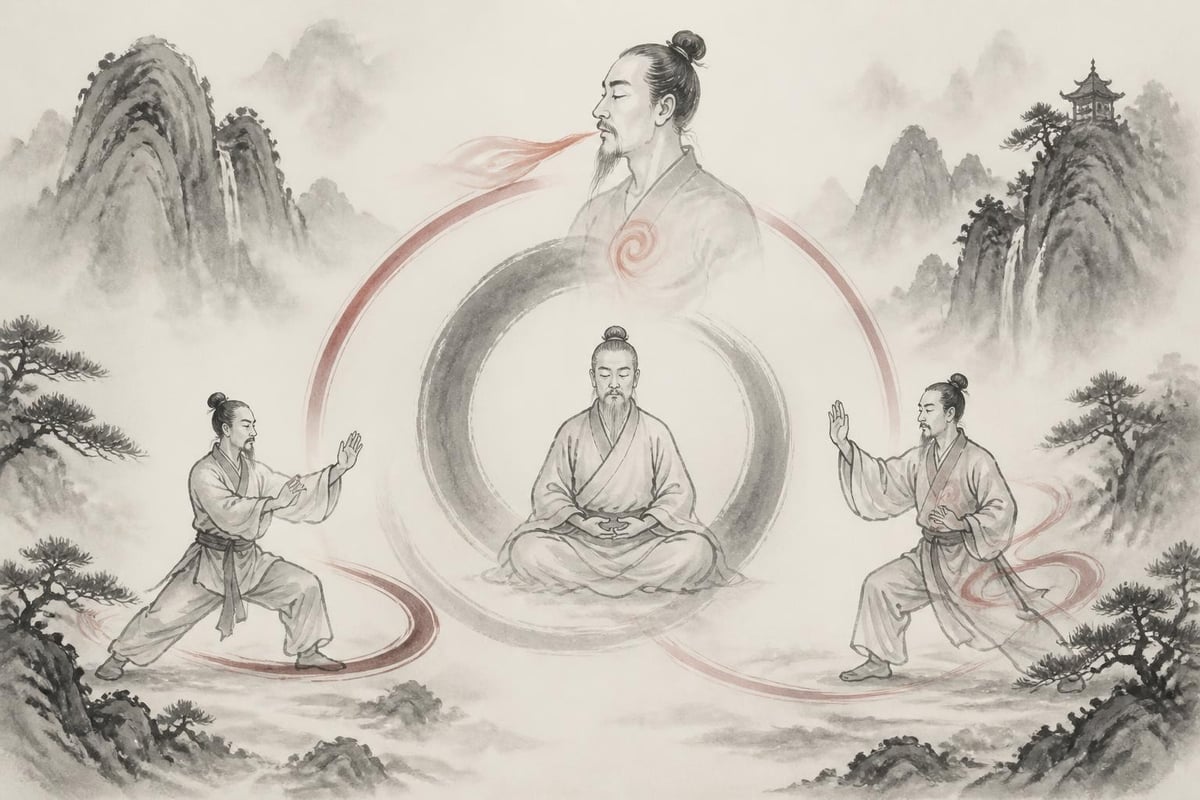
Wudang thai chi works with what Taoists call the Three Treasures: jing (essence or physical vitality), qi (energy or life force), and shen (spirit or consciousness). Through proper practice, you learn to:
- Conserve jing by moving efficiently and avoiding unnecessary tension
- Circulate qi through coordinated breath and movement
- Calm shen by maintaining gentle awareness throughout practice
This integrated approach addresses your whole being, not just isolated body parts. The movements serve as vehicles for energy flow, while the mind directs intention, and the breath connects everything into a seamless whole.
Getting Started with Thai Chi Practice
Beginning a thai chi practice doesn't require special equipment, extreme flexibility, or previous experience. The art welcomes everyone, regardless of age or fitness level. What matters most is consistency and correct guidance.
Finding Authentic Instruction
The quality of your learning experience depends heavily on the authenticity of your instruction. Wudang thai chi contains specific principles of movement, breathing, and intention that can only be properly transmitted by someone trained in the tradition.
Look for teachers who can trace their lineage directly back to Wudang masters. This connection ensures the forms you learn preserve the original energetic structure, not simplified versions created for commercial appeal. Our Tai Chi course maintains the integrity of movements developed over centuries of refinement.
Many people start their journey with a structured introduction that allows them to experience the practice before committing to deeper study. Our free Taoist course offers a comprehensive introduction to Tai Chi, Qi Gong, Meditation, and Taoist Wisdom, helping you build a foundation for sustainable practice.
Essential Principles for Beginners
When you first begin practising thai chi, focus on these fundamental principles:
- Relax your body completely - Release unnecessary tension, especially in shoulders, neck, and jaw
- Maintain upright posture - Imagine a string gently pulling the crown of your head toward the sky
- Sink your weight - Feel your connection to the earth through relaxed, stable legs
- Move from the centre - Initiate all movements from your dan tian (lower abdomen)
- Coordinate breath with movement - Generally inhale during gathering movements, exhale during extending movements
- Keep your mind present - Gently return attention to the sensations of movement whenever it wanders
Creating Your Practice Space
Thai chi requires minimal space, just enough to extend your arms and take a few steps in any direction. You can practise indoors or outdoors, though many practitioners enjoy the additional connection with nature when practising outside.
Choose clothing that allows free movement without restriction. Natural fabrics like cotton work well. Flat, flexible shoes or bare feet provide the best connection with the ground.
Set aside consistent time for practice. Even ten minutes daily creates more benefit than longer, irregular sessions. Morning practice energises your day, while evening practice promotes restful sleep. Experiment to discover what works best for your schedule and constitution.
Common Misconceptions About Thai Chi
Despite growing popularity, several misunderstandings about thai chi persist. Clearing these up helps you approach practice with realistic expectations and deeper appreciation.
"Thai Chi Is Just for Seniors"
While thai chi certainly benefits older adults, it's equally valuable for people of all ages. Young adults use it for stress management and performance enhancement. Athletes incorporate it for injury prevention and recovery. Professionals practise it for mental clarity and emotional regulation.
The adaptability of thai chi makes it universally accessible, you can modify the depth and duration to match your current capacity while still receiving profound benefits.
"It's Too Slow to Be Real Exercise"
The deliberate pace of thai chi actually increases its difficulty and effectiveness. Moving slowly with control requires greater muscular engagement than rushing through positions. The continuous flow maintains cardiovascular activity throughout practice.
Research comparing thai chi to more intense forms of exercise finds comparable benefits for many health markers, particularly those related to balance, flexibility, and mental wellbeing.
"All Thai Chi Is the Same"
Just as yoga has many distinct styles, thai chi encompasses different lineages with varying emphases. The Wudang forms taught through authentic lineages differ significantly from simplified routines created for general health purposes.
Wudang thai chi specifically:
- Emphasises internal energy cultivation
- Maintains precise energetic structures in each posture
- Integrates Taoist philosophy throughout practice
- Connects to centuries of unbroken transmission
- Prioritises spiritual development alongside physical health
Its martial roots run deep too. Our piece on Tai Chi Self Defense: An Effective Approach to Personal Safety looks at how these self-defence principles remain woven into the practice even when your goal is simply health and wellbeing.
Integrating Thai Chi with Other Taoist Practices
Thai chi forms one part of a comprehensive Taoist wellness system. When combined with related practices, the benefits multiply and deepen.
Qi Gong: Energy Work
While thai chi involves set sequences of movements (forms), our Qi Gong course includes a broader range of exercises specifically designed to cultivate and balance qi. Some qi gong practices involve stillness, others repetitive movements, and some work with visualisation and intention.
Practising both thai chi and qi gong creates a complete energy cultivation system. Qi gong builds your energetic capacity, while thai chi teaches you to maintain that energy while moving.
Taoist Meditation
Sitting meditation complements movement practices by training the mind to maintain stillness and clarity. The focus developed during meditation directly enhances your thai chi practice, helping you maintain present-moment awareness while executing complex movement sequences.
Our Taoist Meditation course also works with energy circulation, often using the same pathways and principles you explore through thai chi, but from a stationary position that allows deeper concentration.
Philosophical Understanding
The movements of thai chi express Taoist principles in physical form. Understanding the underlying philosophy, concepts like wu wei (effortless action), yin and yang balance, and living in harmony with natural cycles, transforms your practice from mere exercise into a complete way of being.
Exploring our Taoist Philosophy course provides context for why certain principles matter in practice and how to apply these insights to everyday situations beyond your training time.
Deepening Your Practice Over Time
Thai chi offers a lifetime of exploration. As your practice matures, you discover new layers of subtlety and refinement that keep the art perpetually fresh and engaging.
Stages of Development
Most practitioners move through recognisable stages:
- Learning the form - Memorising the sequence of movements and basic positions
- Refining the structure - Correcting posture, alignment, and transitions
- Integrating breath - Coordinating breathing patterns with movement
- Cultivating qi - Developing sensitivity to energy flow
- Achieving naturalness - Moving with effortless grace and spontaneous presence
Each stage can take months or years to fully develop. This gradual progression prevents boredom while building genuine skill.
The Role of Community
While you can practise thai chi alone, connecting with our community of practitioners provides invaluable support, inspiration, and accountability. Sharing experiences with others on the path helps you navigate challenges and celebrate progress.
Group practice creates a collective energy field that enhances individual practice. You learn from watching others, receive encouragement during difficult periods, and develop friendships based on shared values and interests.
Continuing Education
After mastering basic forms, many practitioners explore:
- Advanced forms with more complex movements and deeper energetic work
- Partner exercises that develop sensitivity and responsive awareness
- Weapons forms using traditional implements like swords and fans
- Theoretical studies examining classical texts and traditional Chinese medicine principles
- Teaching skills to share the practice with others
The depth of thai chi means you'll never exhaust the possibilities for growth and discovery.
Thai Chi in Daily Life
The ultimate goal of thai chi extends beyond formal practice sessions. The principles you cultivate during training naturally influence how you move, think, and respond throughout your day.
Practical Applications
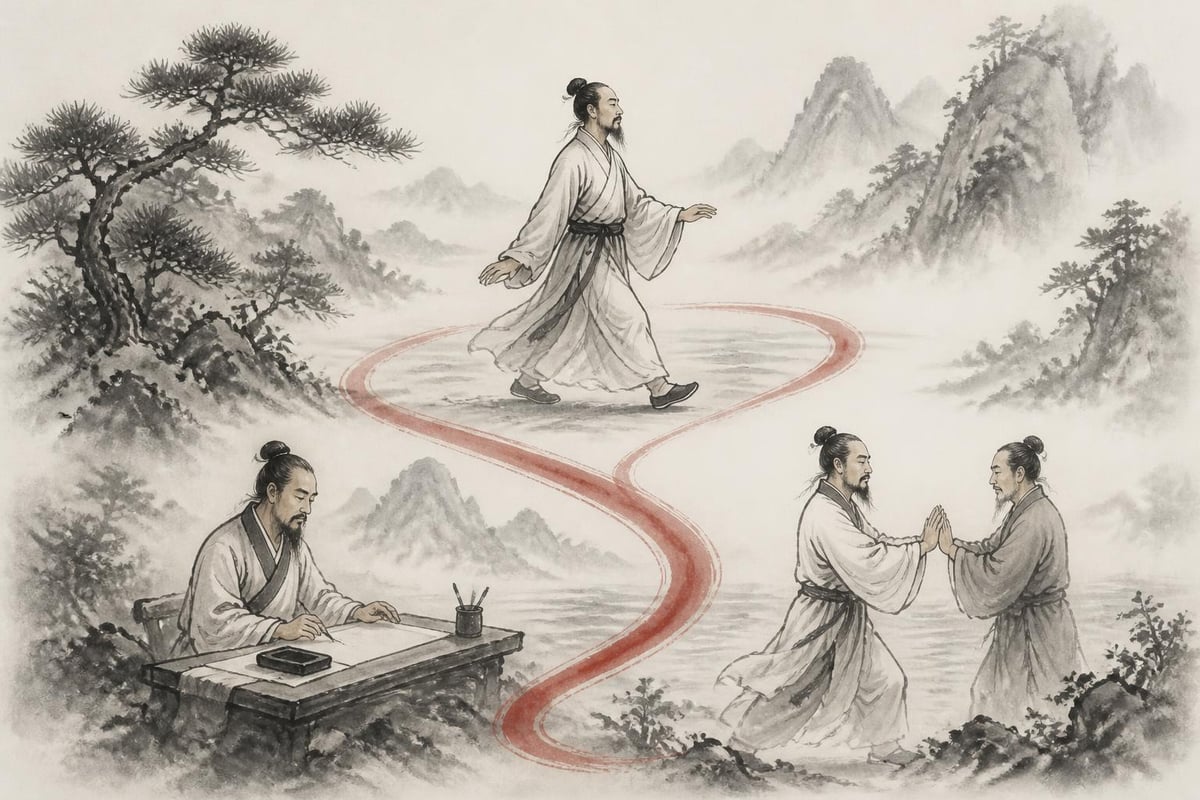
Walking becomes a meditation when you apply thai chi principles, maintaining upright posture, moving from your centre, placing each foot with awareness and intention. Tai chi walking serves as a bridge between formal practice and everyday activity.
Work situations benefit from the calm presence and mental clarity that regular practice develops. You respond to challenges with greater equanimity, make decisions from a centred place, and maintain energy throughout demanding days.
Relationships improve as you become less reactive and more capable of listening deeply. The patience required for thai chi practice transfers into patience with others. The balance you cultivate internally reflects in more balanced interactions.
Maintaining Consistency
Life inevitably presents obstacles to regular practice. The key is flexibility within commitment, adjusting your practice to fit changing circumstances rather than abandoning it completely.
During busy periods: Practise shorter sessions, even just five minutes of basic movements or standing meditation.
When travelling: A few fundamental exercises can be done anywhere, maintaining your connection to the practice.
During illness or injury: Modified practice, visualisation, or studying theoretical aspects keeps you engaged until physical practice becomes possible again. If you have a health condition or injury, do check with a healthcare professional before starting or resuming a movement practice.
| Challenge | Solution | Benefit |
|---|---|---|
| Limited time | Practice 5-10 minutes daily | Maintains momentum and connection |
| Travelling | Pack instructional videos or notes | Continues learning anywhere |
| Physical limitations | Modify movements, focus on breath | Adapts practice to current capacity |
| Motivation dips | Join community practice or classes | Renews inspiration and commitment |
| Plateaus | Explore new aspects or deeper study | Rekindles interest and growth |
Thai Chi Across the Lifespan
One of thai chi's remarkable qualities is its suitability for every stage of life. The practice adapts to your changing needs and capacities while continuing to offer relevant benefits.
Youth and Young Adulthood
Younger practitioners often discover thai chi as a counterbalance to high-intensity activities or stressful modern lifestyles. The practice offers stress management tools, improves athletic performance through enhanced body awareness, and provides a contemplative anchor in busy lives.
Starting young establishes healthy patterns that support wellbeing for decades to come. The mental discipline developed through practice enhances academic and professional performance.
Middle Years
As responsibilities accumulate during midlife, thai chi becomes a sanctuary of peace and a tool for sustainable energy management. Rather than burning out trying to meet endless demands, practitioners learn to work efficiently from a place of centredness.
The practice also addresses the early signs of ageing, maintaining flexibility, preserving balance, keeping joints healthy, preventing problems before they develop.
Later Life
For older adults, thai chi provides evidence-based support for healthy ageing. Regular practice maintains independence through improved balance and strength, keeps the mind sharp, and fosters social connection through group classes.
Many people discover thai chi after retiring, finding in it a fulfilling pursuit that offers both health benefits and opportunities for continued growth and learning. The practice accommodates physical limitations while still providing challenge and engagement.
Beyond Physical Movement
While we often emphasise the physical aspects of thai chi, the movements, the health benefits, the improved balance, the practice ultimately serves a deeper purpose rooted in Taoist spirituality.
Cultivation of Presence
Every movement in thai chi requires complete presence. Your mind cannot wander to past regrets or future worries while maintaining the precise coordination of breath, intention, and physical action. This enforced presence gradually trains you to access that quality of awareness at will.
Present-moment awareness represents both a skill and a state of being. Like any skill, it strengthens with practice. As you develop this capacity through thai chi, you discover the peace that exists beneath the surface turbulence of daily life.
Connection with Natural Rhythms
Thai chi reconnects you with natural patterns that modern life often obscures. The flowing movements mirror water's adaptability, trees' rooted flexibility, and the cyclic patterns of nature. Through practice, you remember your place within the larger web of existence.
This remembrance brings both humility and confidence, humility in recognising you're part of something infinitely larger than yourself, confidence in trusting the wisdom encoded in natural processes.
The Way of Water
Taoists often use water as the supreme metaphor for wise living. Water adapts to any container, flows around obstacles, gradually transforms rock through patient persistence, and always seeks the lowest place while supporting all life.
Thai chi embodies these water principles. You learn to adapt rather than resist, flow around difficulties rather than forcing through them, persist without aggression, and find strength in yielding rather than dominating. These lessons, practised physically hundreds of times, eventually permeate your entire approach to life.
Thai chi offers a complete path to enhanced vitality, mental clarity, and spiritual development through gentle movement rooted in ancient Taoist wisdom. Whether you're seeking better health, stress relief, or deeper meaning, this practice meets you where you are and supports sustainable transformation. Taoist Wellness Online provides authentic instruction in Wudang thai chi and related practices through comprehensive courses, live sessions with Master Gu, and a supportive global community, helping you begin or deepen your journey toward balance and wellbeing.
If you'd like a gentle place to start, our free Taoist course covers Tai Chi, Qi Gong, Meditation, and Taoist Wisdom.