Chi Gong Practice: A Complete Guide for Beginners
Jul 12, 2026
Chi gong practice offers a gentle yet profound path to cultivating vitality, balance, and inner peace through mindful movement and breath. Rooted in thousands of years of Chinese wisdom, this energy cultivation discipline invites you to work with your body's natural life force rather than against it. Whether you're seeking relief from stress, enhanced physical health, or a deeper connection to yourself, chi gong practice provides accessible tools that meet you exactly where you are. The beauty lies in its simplicity - no equipment needed, no prerequisites required, just your willingness to show up and breathe.
Understanding the Foundations of Chi Gong Practice
At its core, chi gong practice is the art of cultivating and balancing qi (also spelled chi), the vital life energy that flows through all living beings. It combines movement, meditation, and breathing techniques to promote health and spiritual development.
The name itself reveals the practice's essence: "chi" means life force or energy, while "gong" translates to cultivation or skill developed through patient effort. Together, they describe a practice dedicated to nurturing your body's innate healing capacity through consistent, mindful engagement.
The Three Treasures of Practice
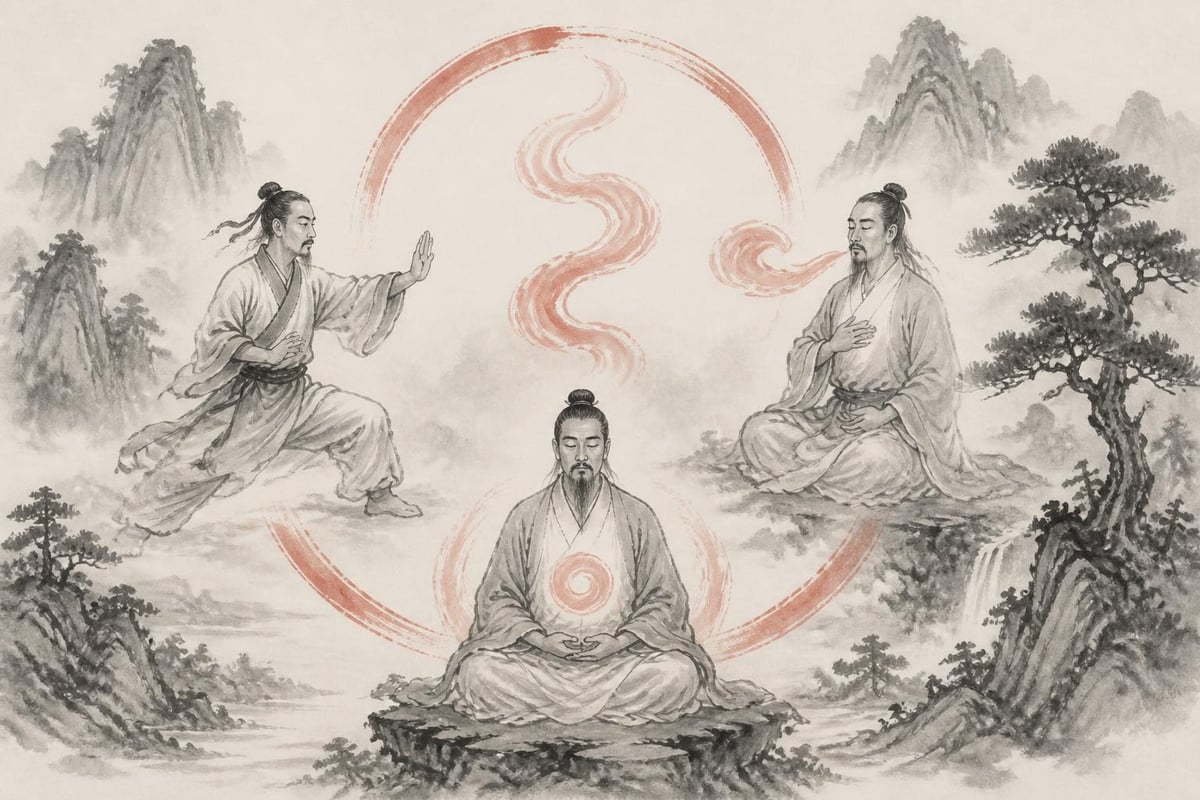
Traditional chi gong practice works with three essential components that create transformative change:
- Body (Jing): Physical postures and gentle movements that open energy pathways
- Breath (Qi): Controlled breathing patterns that circulate vital energy throughout your system
- Mind (Shen): Focused awareness that directs energy flow and deepens the practice
These three elements work together synergistically. When you align your body in specific postures, coordinate your breath with movement, and focus your mind with intention, you create conditions for energy to flow freely and balance to emerge naturally.
Health Benefits Supported by Modern Research
Chi gong practice has moved from ancient temples into modern research laboratories, where scientists continue to validate what practitioners have known for centuries. Research consistently shows promising results across multiple health conditions, from cardiovascular health to mental well-being.
The practice offers both immediate and long-term benefits. In the short term, many people experience reduced stress, improved mood, and enhanced body awareness after just a single session. Over time, regular practice can lead to more substantial changes.
Physical Health Improvements
| Health Area | Documented Benefits | Timeline |
|---|---|---|
| Cardiovascular | Lower blood pressure, improved circulation | 8-12 weeks |
| Respiratory | Increased lung capacity, better oxygen utilisation | 4-8 weeks |
| Musculoskeletal | Enhanced flexibility, improved balance, reduced pain | 6-12 weeks |
| Immune Function | Strengthened immune response, faster recovery | 12+ weeks |
Chi gong practice is particularly helpful for older adults seeking to maintain mobility and independence, and has been widely adopted in rehabilitation settings worldwide.
Mental and Emotional Wellness
Beyond physical improvements, chi gong practice cultivates mental clarity and emotional resilience. Regular practitioners often report:
- Decreased anxiety and stress levels
- Improved sleep quality and duration
- Enhanced focus and concentration
- Greater emotional stability
- Increased sense of calm and centredness
These mental benefits arise naturally from the practice itself. When you slow down, breathe deeply, and move with intention, your nervous system shifts from stress response to relaxation mode. This physiological change creates space for mental quietude and emotional balance to emerge.
Getting Started with Your Practice
Beginning chi gong practice requires minimal external resources but substantial internal commitment. The good news? You can start exactly where you are, with whatever time and energy you have available. Even five minutes of daily practice creates meaningful change over time.
Creating Your Practice Space
You don't need a dedicated studio or special equipment to begin. Find a space where you can move comfortably in all directions with your arms extended. This might be:
- A quiet corner of your bedroom
- A spot in your backyard or local park
- A cleared area in your living room
- Any peaceful location where you feel at ease
The most important quality of your practice space is that it feels calm and inviting. Natural light and fresh air enhance the experience, but they're not requirements. What matters most is that you feel safe and undisturbed during your practice time.
Essential Beginner Techniques
Starting your chi gong practice with foundational techniques builds a solid base for growth. These core exercises appear in nearly every style and tradition.
Standing Meditation (Zhan Zhuang)
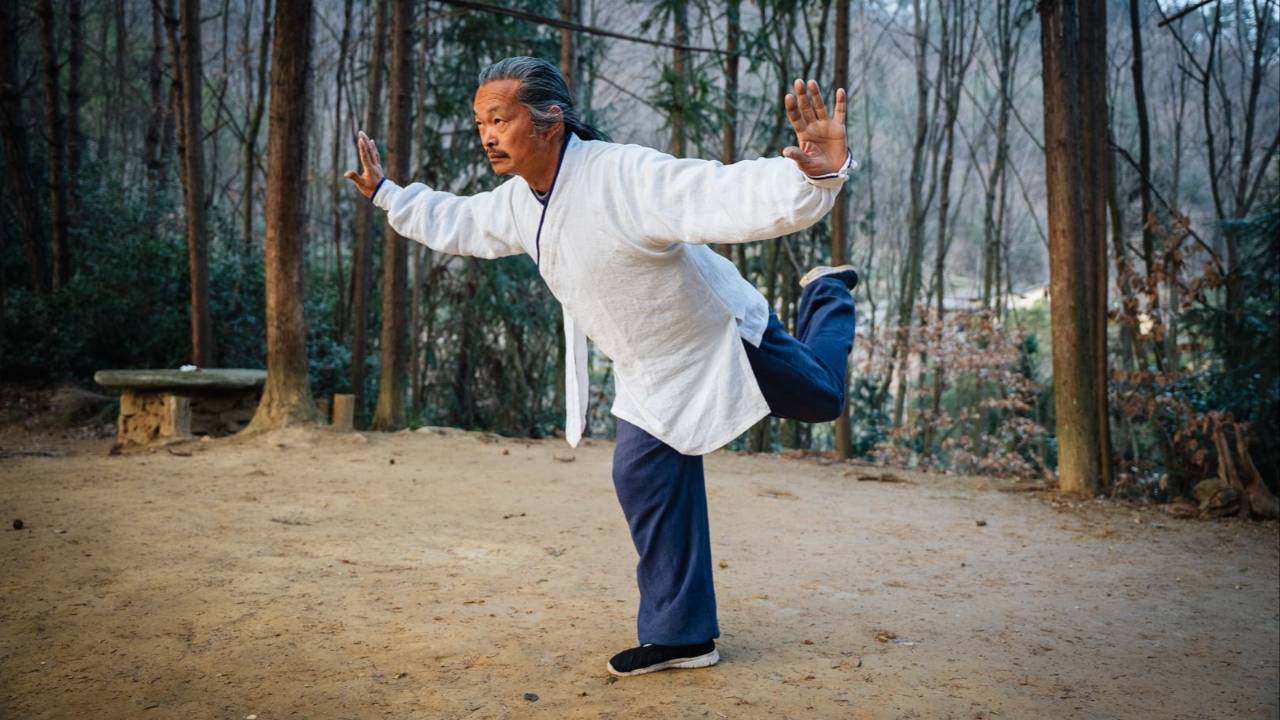
This fundamental practice involves standing still in specific postures while maintaining relaxed awareness. Stand with feet shoulder-width apart, knees slightly bent, and arms held as if hugging a large tree. This simple position cultivates internal energy and develops the root strength needed for all other practices.
Natural Breathing
Before learning specialised breathing patterns, develop awareness of your natural breath. Place one hand on your belly and notice how it expands on the inhale and contracts on the exhale. This abdominal breathing forms the foundation for more advanced techniques — all taught in depth through our Qi Gong course.
Basic Energy Circulation
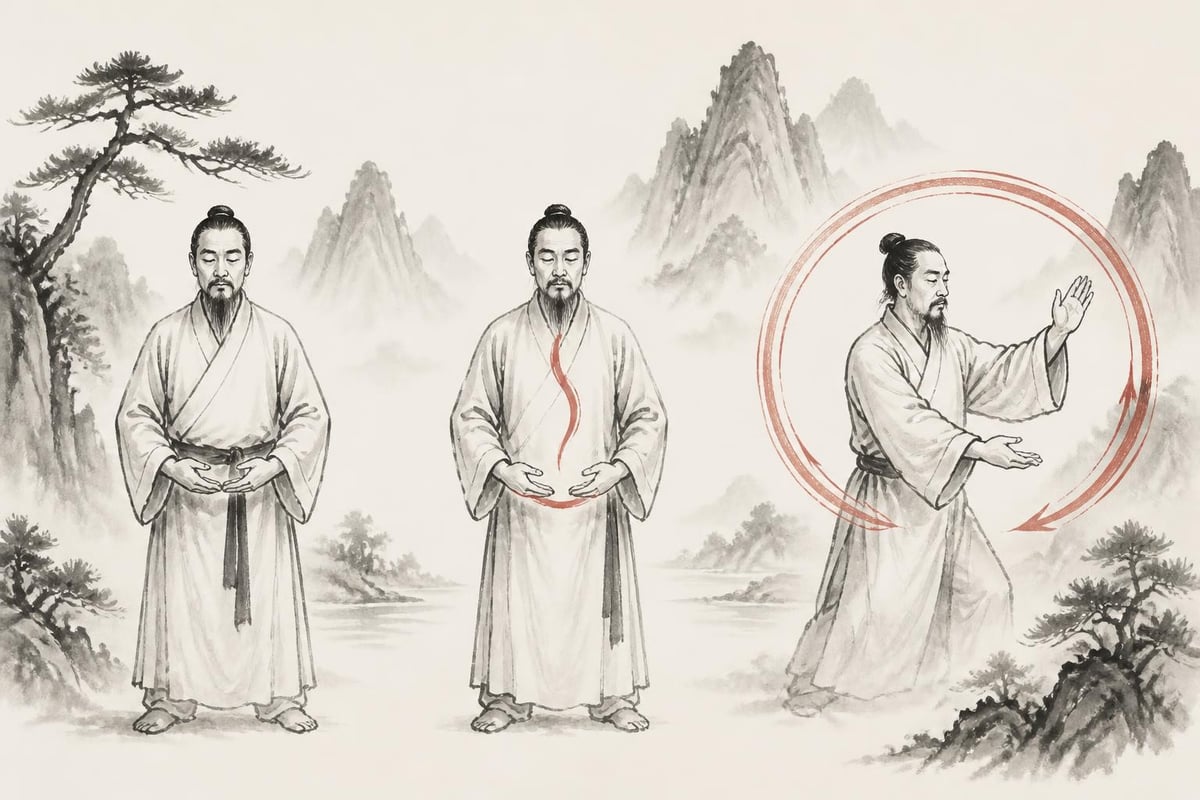
Simple arm movements help you feel energy moving through your body. Raise your arms slowly to shoulder height while inhaling, then lower them while exhaling. Move with intention and attention, noticing any sensations of warmth, tingling, or gentle pressure.
Building a Sustainable Routine
Consistency matters more than duration when establishing your chi gong practice. Even moderate, regular sessions provide significant benefits.
| Practice Frequency | Session Length | Expected Results |
|---|---|---|
| Daily | 10-15 minutes | Noticeable stress reduction, improved energy |
| 4-5 times weekly | 20-30 minutes | Substantial health improvements, deeper practice |
| 2-3 times weekly | 30-45 minutes | Maintenance level, good for busy schedules |
Start small and build gradually. Five minutes daily creates more lasting change than an hour once a week. Your nervous system learns through repetition, and regular practice trains your body to access calm states more easily.
Different Styles and Approaches
Chi gong practice encompasses numerous styles, each with unique characteristics and focus areas. Understanding these different approaches helps you find what resonates with your needs and preferences.
Medical Qigong
This therapeutic approach emphasises healing specific health conditions through targeted exercises. Medical chi gong practice often involves working with particular organ systems or addressing chronic pain patterns. Practitioners may learn self-care techniques or work with qualified practitioners who direct energy for healing purposes.
Martial Qigong
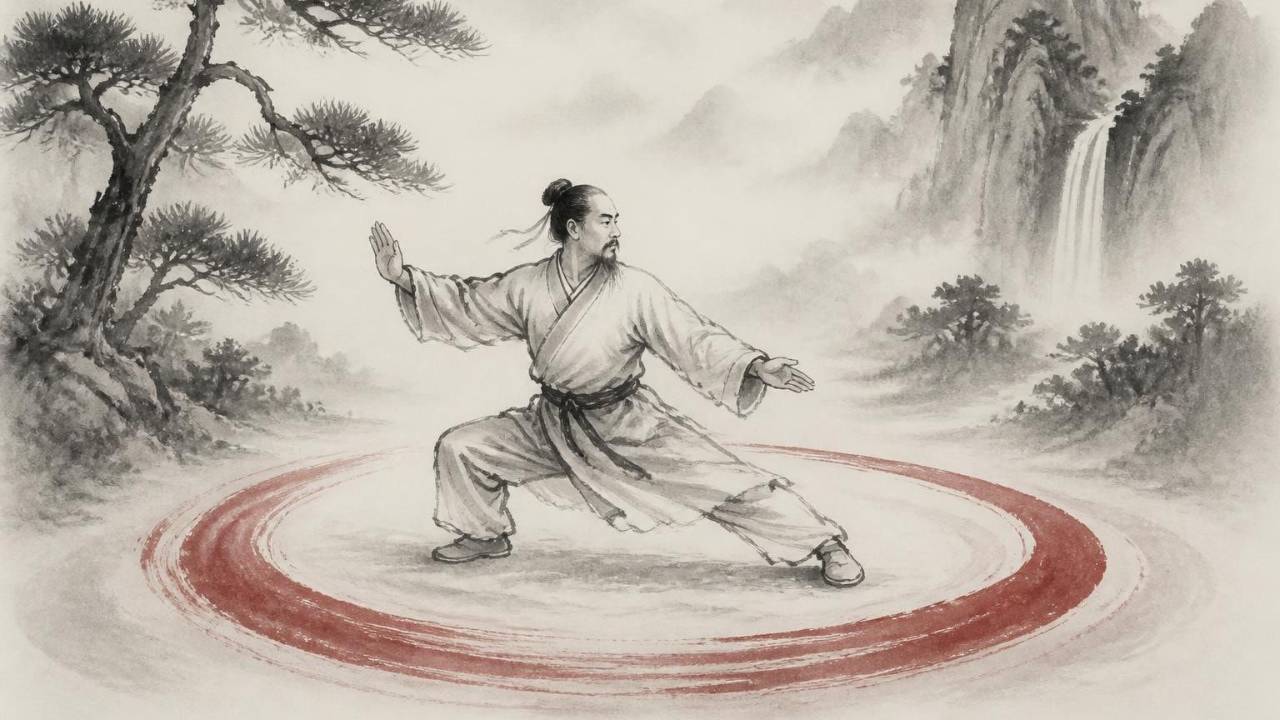
Developed to enhance martial arts performance, this dynamic style builds power, stamina, and quick energy mobilisation. While more vigorous than medical approaches, martial chi gong practice still emphasises internal development over external force.
Spiritual Qigong
Rooted in Taoist and Buddhist traditions, spiritual chi gong practice cultivates wisdom, compassion, and connection to something greater than yourself. These practices often incorporate meditation, visualisation, and philosophical study alongside physical exercises. Many students explore this dimension through dedicated study in our Taoist philosophy course.
Working with Energy Principles
Understanding how energy moves through your body deepens your chi gong practice significantly. Ancient Taoist maps of the energetic body provide practical guidance for directing attention and intention during practice.
The Meridian System
Traditional Chinese medicine identifies twelve primary meridians (energy channels) running through your body, each associated with specific organs and functions. Chi gong practice works to clear blockages in these pathways and ensure smooth energy flow.
You don't need to memorise complex meridian maps to benefit. Simply bringing awareness to different body regions during practice helps energy move more freely. Notice areas that feel tight, numb, or disconnected, then breathe gentle attention into those spaces.
The Three Dantians
Chi gong practice often focuses on three energy centres called dantians:
- Lower Dantian: Located below your navel, this centre governs physical vitality and grounding
- Middle Dantian: Positioned at your heart centre, this area relates to emotional balance and connection
- Upper Dantian: Situated between your eyebrows, this point connects to mental clarity and spiritual awareness
Many exercises involve gathering energy in the lower dantian, considered the body's primary energy reservoir. This practice builds a strong foundation before working with higher energy centres.
Common Mistakes and How to Avoid Them
Even with the best intentions, beginners often encounter similar challenges in their chi gong practice. Recognising these patterns helps you navigate them more skilfully.
Forcing or Straining
The most common mistake is trying too hard. Chi gong practice thrives on gentle persistence rather than forceful effort. If you're straining, sweating profusely, or feeling exhausted afterward, you're working too hard. The practice should leave you feeling energised yet relaxed.
Solution: Reduce your range of motion, slow down your movements, and focus on ease rather than achievement. Remember that subtle internal shifts create more lasting change than dramatic external displays.
Inconsistent Practice
Starting enthusiastically then abandoning practice after a few weeks prevents you from experiencing deeper benefits. Your body needs time to adapt and integrate new patterns.
Solution: Set realistic expectations and commit to manageable goals. Five minutes daily beats thirty minutes sporadically. Communities such as ours at Taoist Wellness Online provide shared practice and mutual encouragement that makes consistency far easier to maintain.
Neglecting Proper Alignment
Poor posture undermines the benefits of chi gong practice and can even create new tension patterns. Common alignment issues include locked knees, hunched shoulders, and a forward-thrust head.
Solution: Work with qualified instruction, whether through in-person classes or comprehensive online programmes. Video yourself occasionally to check alignment, and always prioritise comfort over perfect form.
Integrating Practice into Modern Life
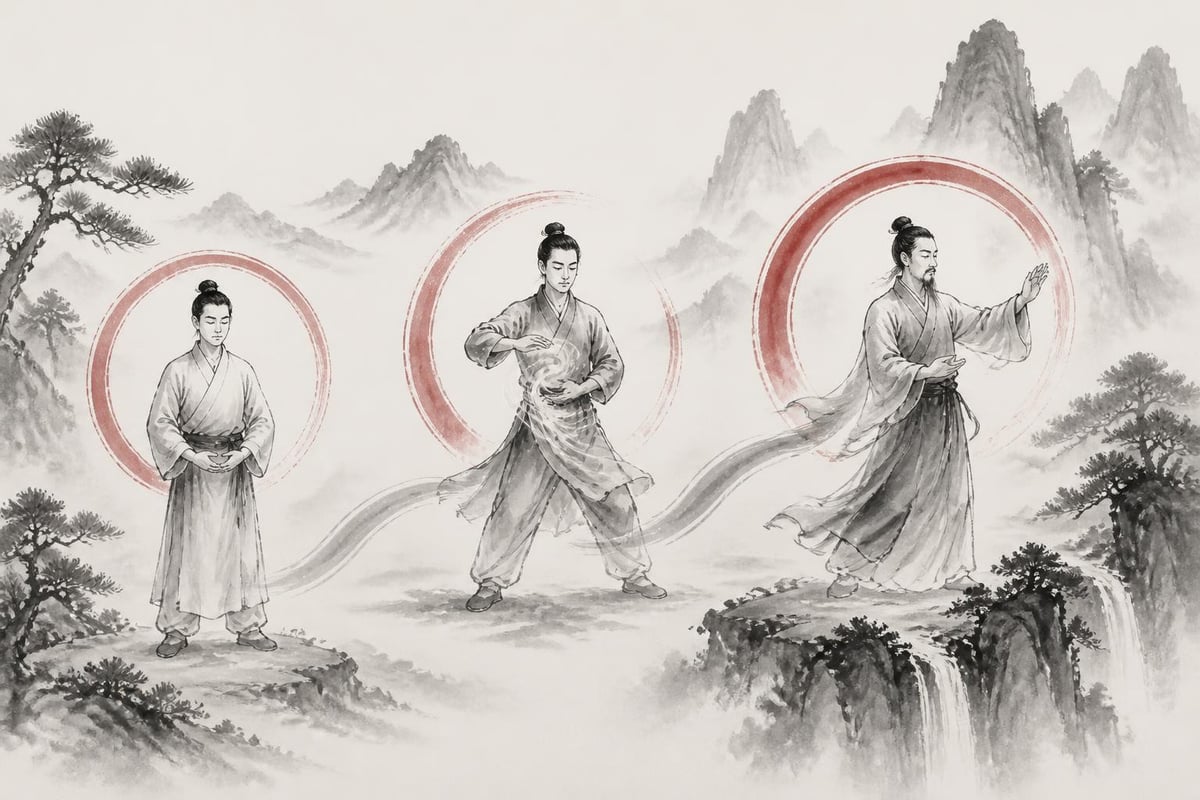
Chi gong practice originated in a different time and culture, yet its principles adapt beautifully to contemporary living. You don't need to retreat to a mountain monastery or abandon modern conveniences to benefit from this ancient wisdom.
Practice Modifications for Busy Schedules
When time feels scarce, adapt your practice rather than abandoning it entirely. Short sessions throughout the day maintain continuity:
- Morning wake-up: Three minutes of gentle stretching and breathing before checking your phone
- Midday reset: Five minutes of standing meditation during lunch break
- Evening transition: Ten minutes of flowing movements to release work stress
- Bedtime ritual: Gentle breathing exercises in bed to support restful sleep
These micro-practices accumulate significant benefits over time. They also train your nervous system to shift states quickly, a valuable skill in our fast-paced world.
Combining Chi Gong with Other Practices
Chi gong practice complements many other wellness approaches. It pairs naturally with meditation, tai chi, and various martial arts. Many practitioners discover that their practice deepens significantly when supported by regular study across disciplines - our blog post on the healing power of Qigong explores this in more depth.
The practice also enhances athletic performance in activities like running, swimming, or cycling by improving breath capacity, body awareness, and recovery. Some practitioners use chi gong as their primary exercise, while others incorporate it as supplementary training.
Learning from Authentic Sources
While chi gong practice appears simple on the surface, authentic transmission carries nuances that books and videos alone cannot convey. Learning from qualified teachers ensures you develop correct habits from the beginning and understand the deeper principles underlying the movements.
What to Look for in a Teacher
Whether learning online or in person, certain qualities indicate authentic, skilled instruction:
- Lineage connection: Training from recognised masters in established traditions
- Personal practice: Teachers who maintain their own consistent practice
- Clear communication: Ability to explain complex concepts in accessible language
- Patient guidance: Willingness to work with students at their current level
- Embodied wisdom: Demonstration of the qualities they teach (calm, presence, vitality)
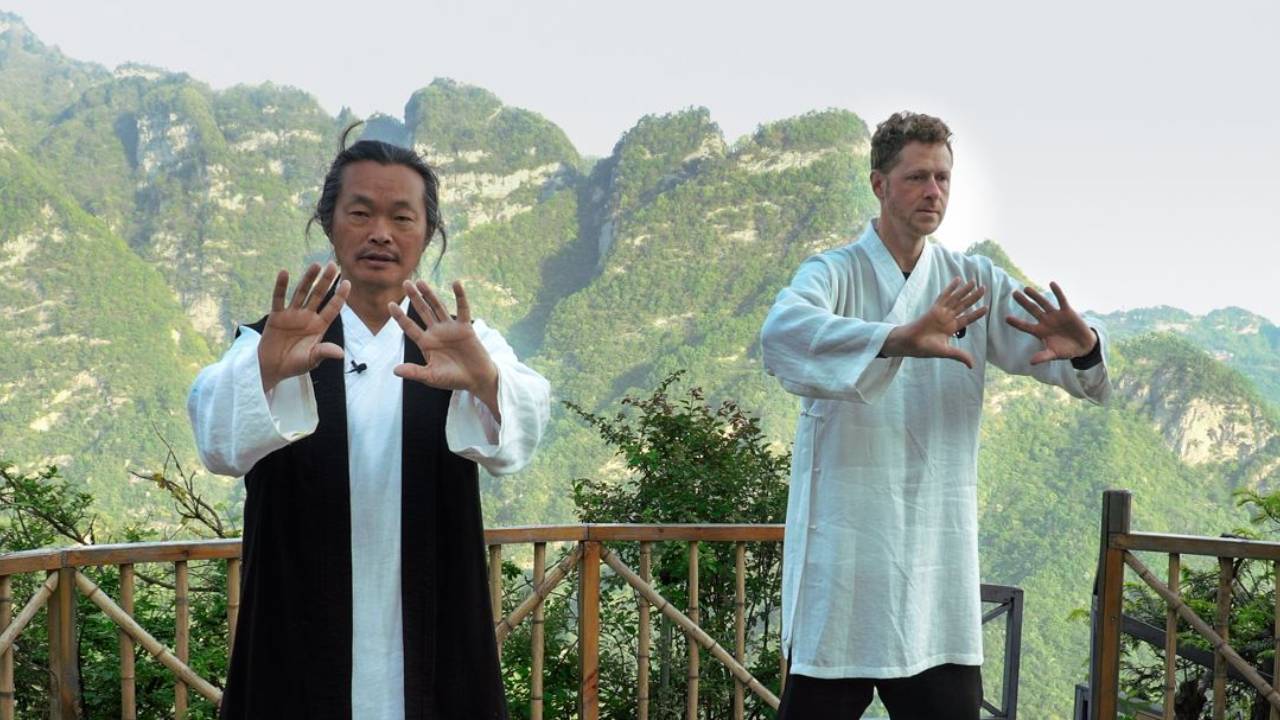
Master Gu, who guides students through Taoist Wellness Online, exemplifies these qualities - a 15th-generation San Feng Pai Wudang Taoist Master with over 25 years of teaching experience. Authentic Wudang masters undergo rigorous training that ensures they can transmit practices accurately and safely.
Self-Study Resources
Between live instruction sessions, various resources support your independent chi gong practice. Books, videos, and online articles provide valuable reference material, though they work best when complementing direct instruction rather than replacing it.
For an accessible introduction to the history and principles behind what you're practising, our blog post on Qigong for Beginners is a helpful starting point alongside your physical practice.
Advanced Considerations and Deepening Practice
As your chi gong practice matures, new dimensions naturally emerge. What begins as simple physical exercise evolves into a comprehensive path of self-cultivation touching all aspects of life.
Internal Alchemy
Advanced practitioners often explore internal alchemy (nei dan), sophisticated practices that refine and transform energy within the body. These techniques build upon foundational work, requiring solid mastery of basic principles before progression.
Internal alchemy involves:
- Circulating energy through specific pathways
- Refining gross energy into subtle essence
- Cultivating stillness within movement
- Developing heightened sensitivity to energetic phenomena
These advanced practices require careful guidance from experienced teachers who can monitor progress and provide individualised adjustments.
Seasonal Practice Variations
Traditional chi gong practice recognises the influence of natural cycles on human energy. Adjusting your practice to align with seasonal changes supports optimal health and deepens your connection to natural rhythms.
| Season | Energy Quality | Practice Focus |
|---|---|---|
| Spring | Rising, expanding | Gentle stretching, liver/gallbladder exercises |
| Summer | Abundant, outward | Vigorous movement, heart/small intestine focus |
| Autumn | Contracting, gathering | Moderate pace, lung/large intestine emphasis |
| Winter | Deep, conserving | Restorative practices, kidney/bladder attention |
This seasonal awareness doesn't require completely changing your routine. Small adjustments in emphasis, pace, or focus help harmonise your practice with the energy of each season.
Group Practice and Community Support
While chi gong practice works beautifully as individual cultivation, practising with others adds valuable dimensions. Group energy amplifies individual effort, and community connection provides encouragement during challenging periods.
Benefits of Collective Practice
When multiple people practice together with unified intention, something meaningful happens. The combined energy field supports each practitioner, often allowing deeper states than solitary practice achieves. You might notice:
- Enhanced focus and concentration
- Stronger energetic sensations
- Greater motivation and commitment
- Opportunities to ask questions and share experiences
- Friendships with like-minded practitioners
Online Versus In-Person Learning
Both online and in-person instruction offer unique advantages for your chi gong practice. Online learning provides flexibility, affordability, and access to teachers you might never meet locally. You can practise on your schedule and review material as needed.
In-person instruction offers immediate feedback, hands-on corrections, and the tangible presence of your teacher's energy field. Ideally, combining both approaches creates optimal learning conditions: online courses for regular practice, and occasional in-person workshops for intensive study.
Chi gong practice offers a gentle, sustainable path to vitality, balance, and peace that grows richer over time. The journey begins with a single breath, a simple movement, and the willingness to meet yourself with patient attention. Whether you're seeking physical health improvements, stress relief, or deeper spiritual connection, these ancient practices provide time-tested tools that work with your body's innate wisdom rather than against it. Our free 4-week Taoist Wellness course is the ideal place to take your first steps - explore Qi Gong alongside Tai Chi and Taoist wisdom with Master Gu, completely free. When you're ready to go deeper, Taoist Wellness Online provides authentic instruction, a supportive global community, and comprehensive resources to guide your exploration under the expert guidance of Master Gu.