Tai Chi and Stress: Finding Calm Through Movement
Jul 11, 2026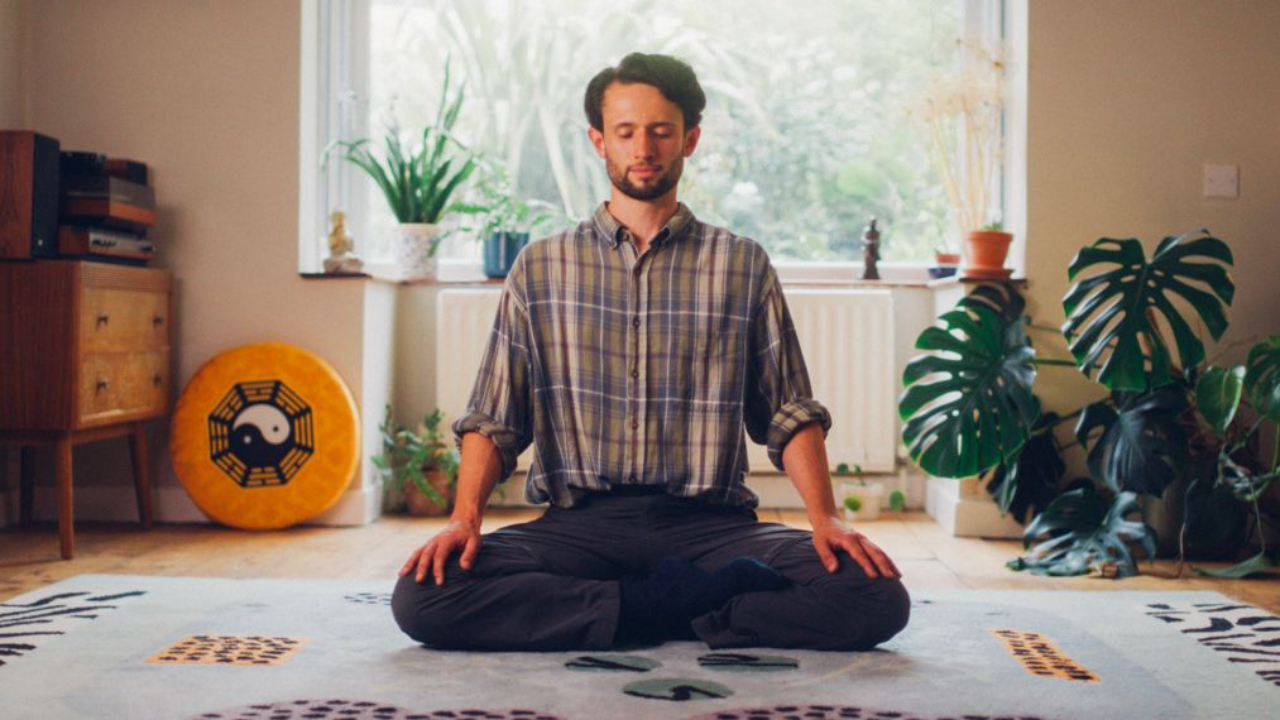
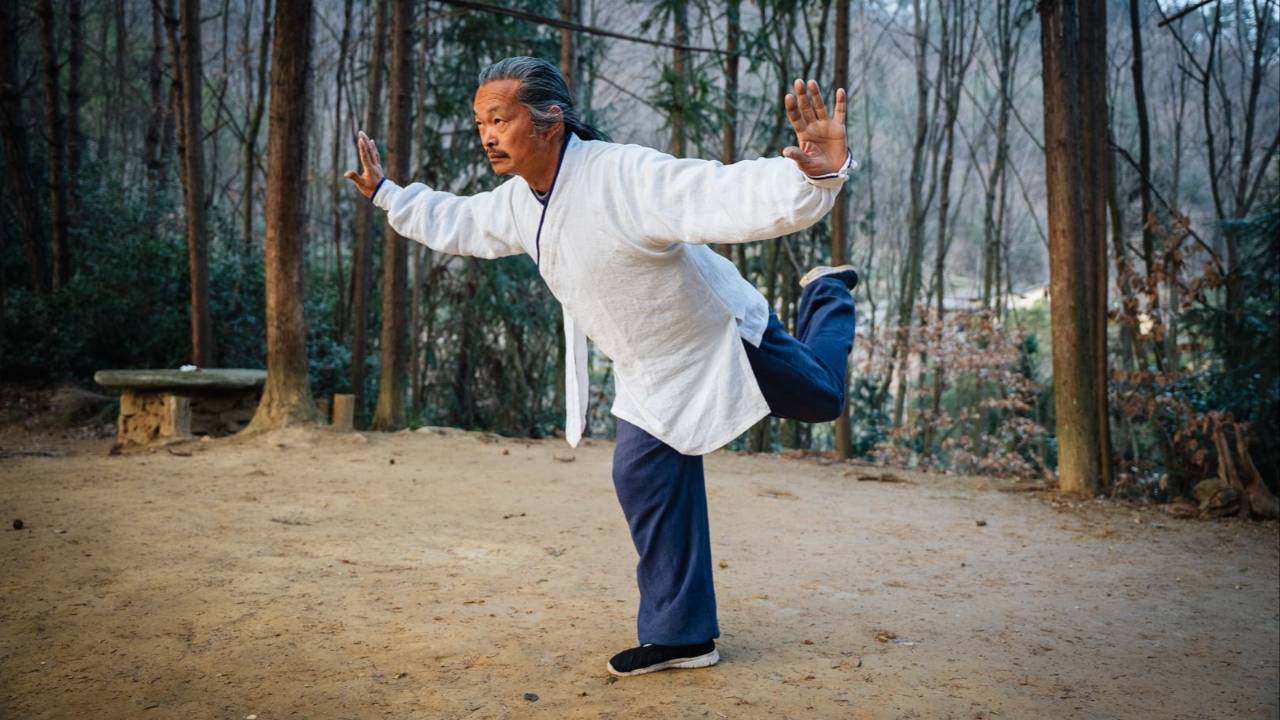
When life feels overwhelming and stress becomes your constant companion, the ancient practice of tai chi offers a pathway back to balance. This gentle martial art, rooted in Taoist philosophy, combines flowing movements with focused breathing and meditation to create what many describe as "moving stillness." The relationship between tai chi and stress has captured the attention of modern science, with researchers discovering that this centuries-old practice delivers measurable benefits for our overstimulated nervous systems.
Understanding How Stress Affects Your Body and Mind
Stress isn't just a feeling. It's a full-body experience that impacts every system, from your heart rate to your digestive function.
When you encounter a stressor, your body releases cortisol and adrenaline, preparing you for action. This response served our ancestors well when facing physical threats, but in 2026, most of our stressors are chronic rather than acute. Your body doesn't distinguish between a demanding deadline and a genuine emergency.
Over time, elevated stress hormones contribute to:
- Muscle tension and chronic pain
- Sleep disturbances and fatigue
- Weakened immune function
- Anxiety and mood changes
- Digestive issues
- Cardiovascular strain
The connection between tai chi and stress becomes particularly powerful here. Unlike high-intensity exercise that can temporarily raise cortisol, tai chi's gentle nature actually helps regulate your stress response.
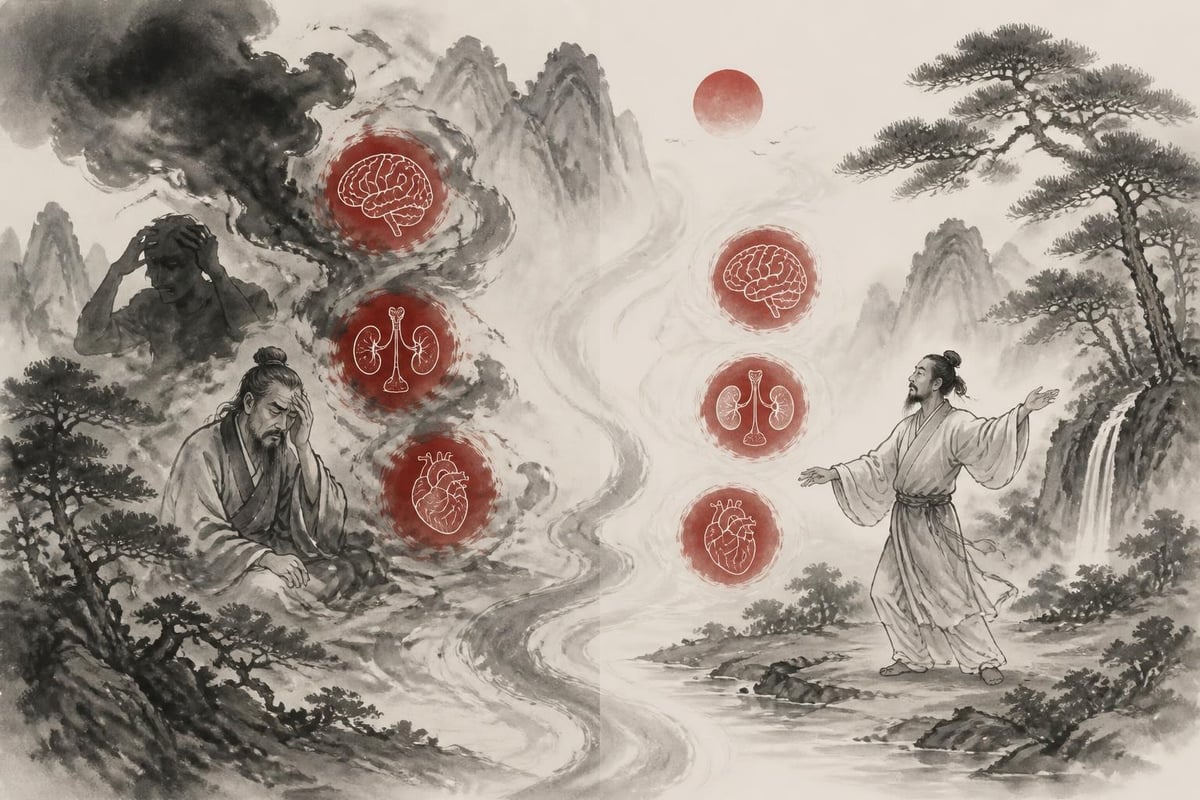
The Mind-Body Connection in Stress Management
Your thoughts influence your physical state, and your physical state shapes your thoughts. This bidirectional relationship means that addressing stress requires engaging both mind and body simultaneously.
Traditional stress management often focuses on cognitive strategies alone, but research shows that tai chi works particularly effectively by engaging the body first. When you move slowly and deliberately, you send signals to your nervous system that you're safe. This bottom-up approach complements talk therapy and other cognitive interventions.
What Makes Tai Chi Uniquely Effective for Stress Relief
Tai chi stands apart from other stress management techniques because it addresses multiple dimensions simultaneously. You're not just exercising or just meditating - you're integrating movement, breath, and awareness into a unified practice.
The Three Pillars of Tai Chi Practice
Movement - Each posture flows into the next without pause, creating a continuous meditation in motion. Your joints move through their full range without strain, releasing physical tension stored in muscles and connective tissue.
Breath - Coordinating breath with movement activates your parasympathetic nervous system, the rest-and-digest system that counteracts stress. Deep, diaphragmatic breathing increases oxygen flow and signals your body to relax.
Mindfulness - Maintaining awareness of your body's position and movement anchors you in the present moment, interrupting the worry loops that fuel anxiety.
Often described as "meditation in motion," tai chi combines these elements into something greater than the sum of its parts.
| Tai Chi Element | Stress-Reducing Mechanism | Physical Benefit |
|---|---|---|
| Slow Movement | Calms nervous system | Releases muscle tension |
| Deep Breathing | Lowers cortisol | Improves oxygen flow |
| Mental Focus | Reduces rumination | Enhances present-moment awareness |
| Weight Shifting | Improves balance | Strengthens legs and core |
How Tai Chi Rewires Your Stress Response
Regular practice literally changes how your brain processes stress. Neuroimaging studies show that tai chi increases grey matter in brain regions associated with emotional regulation and decreases activity in the amygdala, your brain's alarm system.
When you practise consistently, you're training your nervous system to remain calm under pressure. This doesn't mean stress disappears - it means you develop greater capacity to meet challenges without becoming overwhelmed.
Scientific Evidence Supporting Tai Chi for Stress Reduction
The relationship between tai chi and stress has moved from anecdotal wisdom to evidence-based medicine. Multiple systematic reviews confirm what practitioners have known for centuries. Meta-analyses examining dozens of studies have found significant reductions in perceived stress, anxiety, and depression among regular practitioners, with effects consistent across different populations from college students to older adults with chronic conditions.
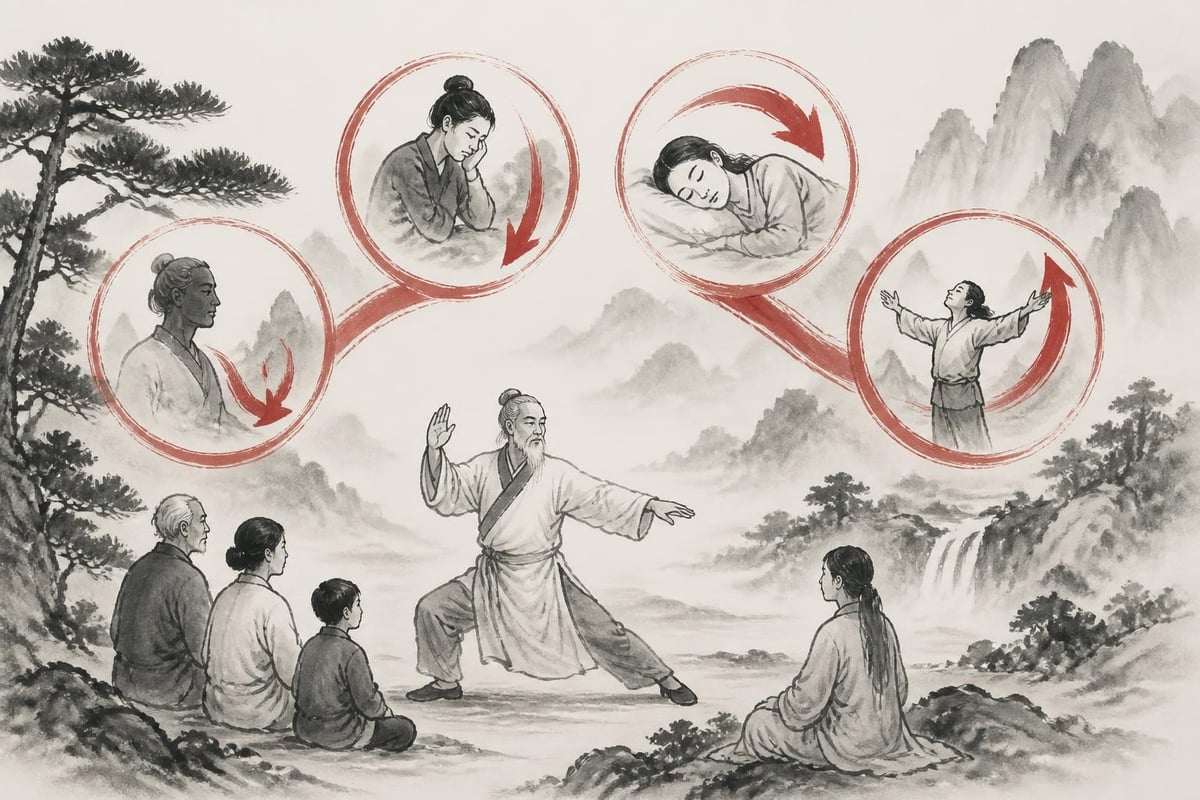
Measurable Benefits Beyond Feeling Better
While subjective improvements in mood and wellbeing matter deeply, objective measurements tell an important story too.
Physiological changes include:
- Lower resting heart rate
- Reduced blood pressure
- Improved heart rate variability (a marker of stress resilience)
- Decreased inflammation markers
- Better sleep architecture
Psychological improvements encompass:
- Reduced anxiety symptoms
- Fewer depressive episodes
- Enhanced emotional regulation
- Greater sense of control
- Improved quality of life
Starting Your Tai Chi Practice for Stress Management
You don't need special equipment, athletic ability, or years of training to experience the stress-relieving benefits of tai chi. The practice meets you where you are.
Finding the Right Approach for Your Needs
Different styles of tai chi offer varying speeds and emphasis, but all share the core principles that make the practice effective for stress relief.
Yang style features slow, expansive movements ideal for beginners. Its gentle pace allows you to focus on coordination and breath without feeling rushed.
Chen style incorporates both slow flowing movements and explosive power, offering variety for those who want more dynamic practice.
Sun style uses higher stances and agile footwork, making it accessible for those with knee issues or mobility concerns.
Whatever style you choose, consistency matters more than complexity. Ten minutes daily creates more benefit than an hour once a week.
Building a Sustainable Practice
Many people exploring tai chi wonder how to begin without feeling overwhelmed by the learning curve. Start with these foundational elements:
- Learn basic stance - Stand with feet shoulder-width apart, knees slightly bent, weight evenly distributed
- Practise breathing - Breathe deeply into your belly, letting your abdomen expand on inhale
- Master one form - Focus on a single simple sequence before adding complexity
- Move slowly - Slower movement requires more control and deeper attention
- Stay consistent - Brief daily practice outperforms sporadic longer sessions
Our Tai Chi course provides step-by-step instruction in authentic Wudang forms, with Master Gu guiding you through each movement at a pace that builds genuine understanding rather than rushing through technique. For those just starting out, our guide to Tai Chi warm-up exercises is a practical first step.
Common Obstacles and How to Navigate Them
"I'm too stressed to add another commitment" - Tai chi isn't another task on your to-do list. It's the pause that makes everything else more manageable. Start with five minutes.
"I'm not coordinated enough" - Tai chi develops coordination gradually. Everyone feels awkward initially. That's part of the practice.
"I need faster results" - While some people notice immediate relaxation, tai chi's deepest benefits unfold over weeks and months. Trust the process.
"I don't have space" - You need roughly the area of a yoga mat. Most people can practise in their bedroom or living room.
Integrating Tai Chi Into Your Daily Stress Management
The relationship between tai chi and stress becomes most powerful when practice moves beyond scheduled sessions into your daily life.
Morning Practice to Set Your Day's Tone
Beginning your day with tai chi establishes a foundation of calm before stress accumulates. Even ten minutes of gentle movement and breathing helps you enter the day's demands from a centred place.
This morning routine creates what researchers call "stress inoculation," building resilience before challenges arise rather than only responding after you're overwhelmed.
Midday Reset When Tension Builds
You don't need a full session to access tai chi's benefits. A few minutes of mindful movement during lunch or between meetings interrupts stress accumulation.
These micro-practices remind your nervous system that you have agency over your state, even during demanding days.
Evening Wind-Down for Better Sleep
Evening tai chi helps calm the mind and release physical tension before bed. The gentle movements process the day's stress without the stimulation of vigorous exercise, signalling to your body that the day's work is complete. You're transitioning from doing to being, from striving to resting.
The Deeper Dimensions of Tai Chi and Stress
Beyond technique and physiology lies tai chi's philosophical foundation in Taoist principles. Understanding these concepts enriches your practice and deepens stress relief.
Wu Wei: Effortless Action
Wu wei translates as "non-forcing" or "effortless action." It's the art of moving with life rather than against it, conserving energy by working with natural patterns instead of fighting resistance.
When you practise wu wei in tai chi, you discover that less effort often produces better results. This principle extends to stress management - sometimes the most effective response is allowing rather than controlling.
| Stress Pattern | Conventional Approach | Wu Wei Approach |
|---|---|---|
| Anxious thoughts | Try to stop thinking | Notice thoughts without engagement |
| Physical tension | Force muscles to relax | Allow tension to soften gradually |
| Challenging emotions | Push feelings away | Feel emotions fully without attachment |
| Demanding situations | Fight or resist | Adapt and flow with circumstances |
Yin and Yang: Finding Dynamic Balance
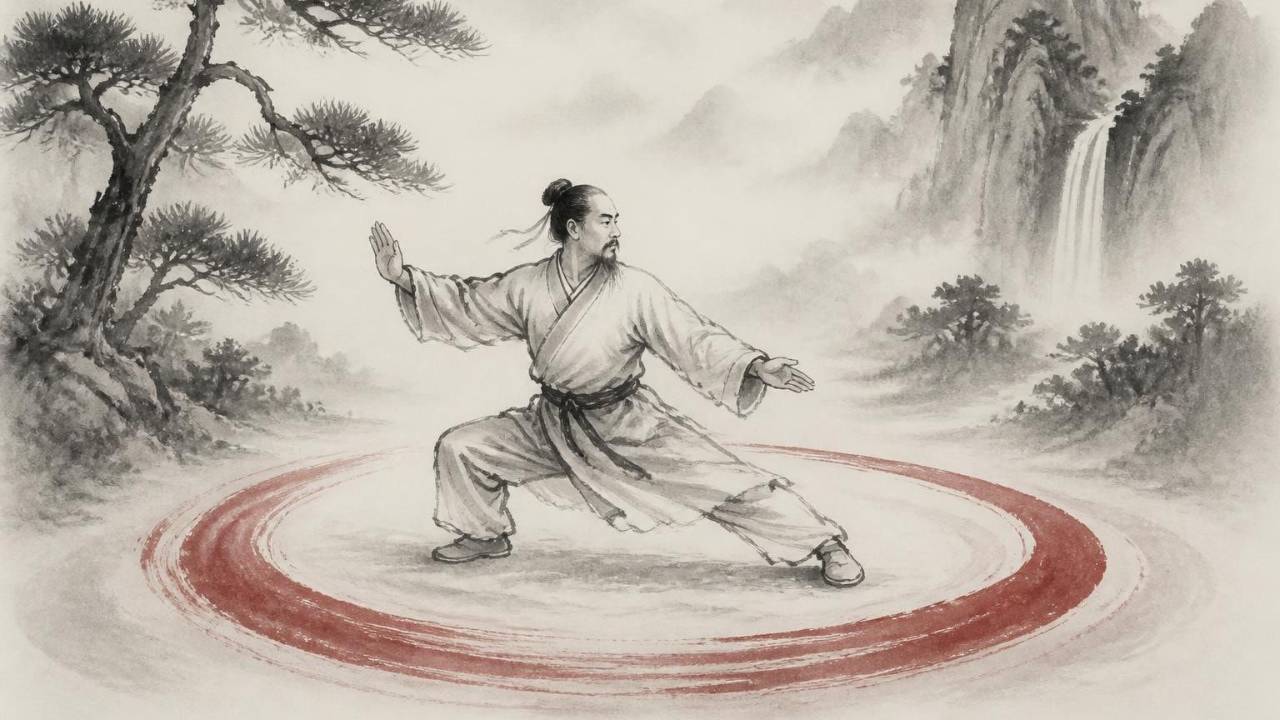
Tai chi embodies the Taoist concept of yin and yang - the interplay of complementary opposites. You're constantly shifting between empty and full, rising and sinking, opening and closing.
This dynamic balance offers a model for managing stress. Rather than seeking constant calm (which would be as unnatural as constant chaos), you learn to move fluidly between activity and rest, engagement and withdrawal.
The wisdom here recognises that stress itself isn't the enemy. It's chronic, unrelieved stress without adequate recovery that damages health. Tai chi teaches your nervous system to oscillate naturally between activation and restoration.
Qi Cultivation and Energy Management
While Western science might explain tai chi's benefits through nervous system regulation and hormone balance, Taoist tradition speaks of cultivating and balancing qi, your vital life energy.
When stress depletes your qi or causes it to stagnate, you feel exhausted, tense, or scattered. Tai chi practice smooths and replenishes qi flow through gentle movement, breath, and intention.
Many students also explore our Qi Gong course alongside tai chi to deepen this energetic dimension of practice. Both arts work with qi, though qi gong often focuses more explicitly on cultivation and circulation.
Tai Chi for Specific Stress-Related Conditions
The versatility of tai chi and stress management extends to addressing particular challenges many people face in 2026.
Anxiety and Panic Disorders
For those living with anxiety, tai chi's combination of physical exercise and mindfulness helps alleviate symptoms. The practice provides a concrete focus for your attention, interrupting the worry cycles that fuel anxiety.
Movement creates a sense of agency and capability that directly counters anxiety's helplessness. You're doing something, taking action, engaging your body in a nurturing way.
Work-Related Burnout
Professional burnout stems from chronic workplace stress without adequate recovery. Tai chi offers a complete counterbalance to modern work culture's intensity and speed.
Where work demands constant productivity, tai chi celebrates slowness. Where work separates mind from body, tai chi reunites them. Where work often feels meaningless, tai chi reconnects you with something deeper than achievement.
Sleep Difficulties
Poor sleep and stress create a vicious cycle. Stress disrupts sleep, and poor sleep reduces your capacity to manage stress. Evening tai chi practice addresses both sides of this equation by calming the nervous system, while daytime practice builds stress resilience - together creating conditions for restorative sleep.
Building Community Through Shared Practice
While tai chi offers profound benefits as a solo practice, learning and practising with others adds another dimension to stress relief.
Social connection itself buffers against stress. When you practise alongside others, even virtually, you're reminded that you're not alone in seeking balance and wellbeing.
Shared learning creates accountability and encouragement. Seeing others progress inspires your own development, while helping newer students deepens your own understanding.
Communities such as ours at Taoist Wellness Online connect practitioners worldwide who share an interest in authentic teachings, offering support, wisdom, and companionship along the path.
Learning from Authentic Teachers
Not all tai chi instruction equally serves stress management. Learning from teachers rooted in authentic lineages ensures you're receiving practices refined over centuries rather than recently invented approximations.
Master Gu's teachings draw from fifteen generations of Wudang mountain tradition. This depth of transmission carries wisdom that goes beyond technique into the heart of practice. If you're exploring your options, our guide to learning Tai Chi online walks you through what to look for and how to get started from wherever you are in the world.
Measuring Your Progress Beyond Stress Reduction
As you develop your relationship with tai chi and stress management, you'll notice changes that extend far beyond feeling less anxious or overwhelmed.
Physical Improvements
- Better balance and coordination - Your proprioception sharpens, reducing fall risk
- Increased flexibility - Joints move more freely through daily activities
- Enhanced strength - Especially in legs and core from maintaining low stances
- Improved posture - Alignment awareness carries into sitting and standing
- Greater stamina - You tire less easily during daily tasks
Mental and Emotional Shifts
- Clearer thinking - Reduced mental fog and better concentration
- Emotional steadiness - Fewer dramatic swings, quicker recovery from upsets
- Enhanced creativity - The relaxed yet focused state cultivates new ideas
- Greater patience - With yourself and others
- Deeper presence - More moments of genuine engagement with life as it unfolds
Spiritual Development
While tai chi doesn't require any religious beliefs, many practitioners discover it opens doorways to spiritual growth. Exploring Taoist philosophy can deepen your understanding of the wisdom traditions underlying the movements.
This dimension isn't separate from stress management. When you connect with something larger than your individual concerns, daily stressors naturally occupy less mental space.
Making Tai Chi a Lifelong Practice
The relationship between tai chi and stress isn't a quick fix you outgrow once you feel better. It's a practice that continues revealing new depths as you develop.
The benefits of tai chi for healthy ageing include maintaining cognitive function, balance, and independence well into later years. What begins as stress management often becomes a central pillar of wellbeing across your lifespan.
Seasonal Practice and Adaptation
Your needs change with seasons, life stages, and circumstances. Winter might call for more meditative practice while summer invites dynamic movement. Stressful periods might require shorter, more frequent sessions while calmer times allow deeper exploration.
Tai chi's flexibility accommodates these natural rhythms rather than demanding rigid adherence to a single approach.
Continuing Education and Deepening
As foundational practices become familiar, you can explore more advanced forms, weapons training, or partner exercises. Each new dimension offers fresh engagement while building on established foundations.
Our free 4-week Taoist Wellness course is the ideal starting point - four weeks of guided introduction to tai chi, qi gong, and Taoist principles with Master Gu, at no cost and no commitment required.
Tai chi offers a time-tested pathway to managing stress through gentle movement, mindful breathing, and present-moment awareness. When you practise regularly, you're not just relieving today's tension but building lasting resilience that serves you across all life's challenges. When you're ready to explore authentic Wudang teachings with a supportive global community behind you, Taoist Wellness Online provides comprehensive courses, live monthly sessions, and everything you need to begin.