Tai Chi Taoist: Ancient Wisdom for Modern Wellness
Sep 06, 2026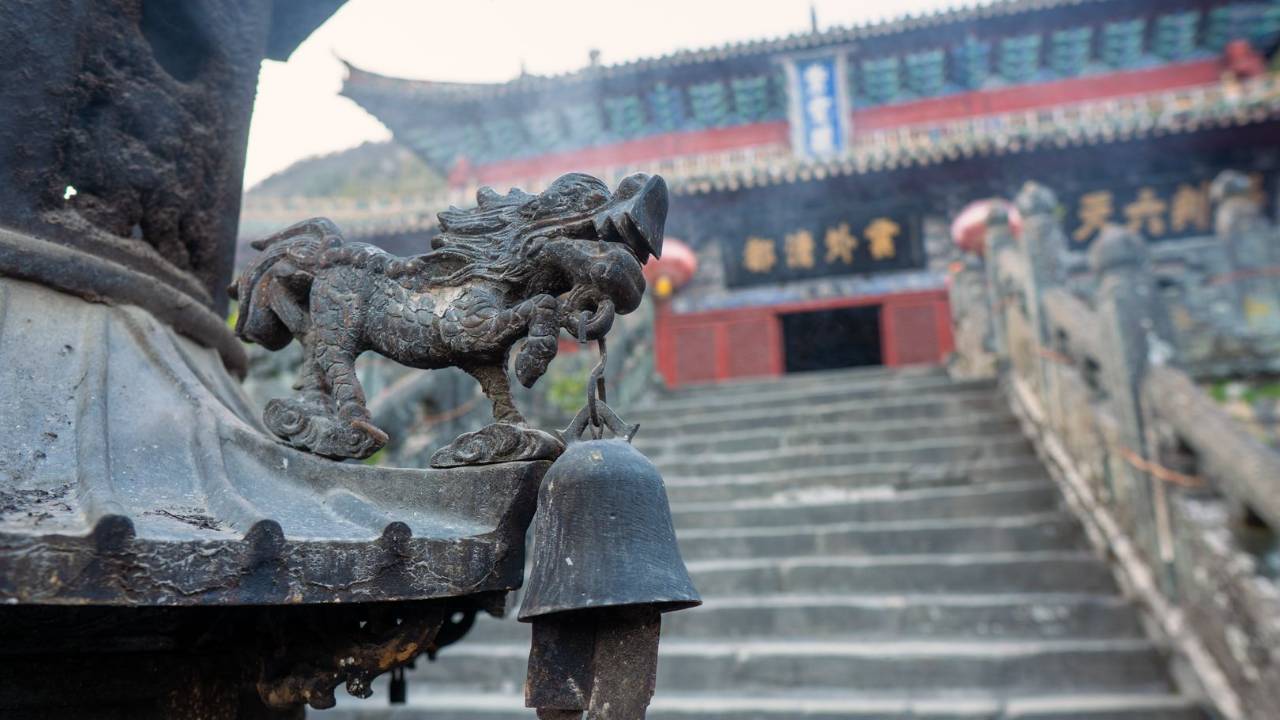
The relationship between Tai Chi and Taoist philosophy runs deeper than most people realise. When we talk about tai chi taoist practices, we're exploring a tradition where every movement carries meaning, where physical exercise becomes meditation, and where ancient wisdom meets practical health benefits. This integrated approach offers something profound for anyone seeking balance in 2026's fast-paced world. Understanding how these two traditions interweave can transform your practice from simple exercise into a path of genuine transformation.
The Foundations of Tai Chi Taoist Practice
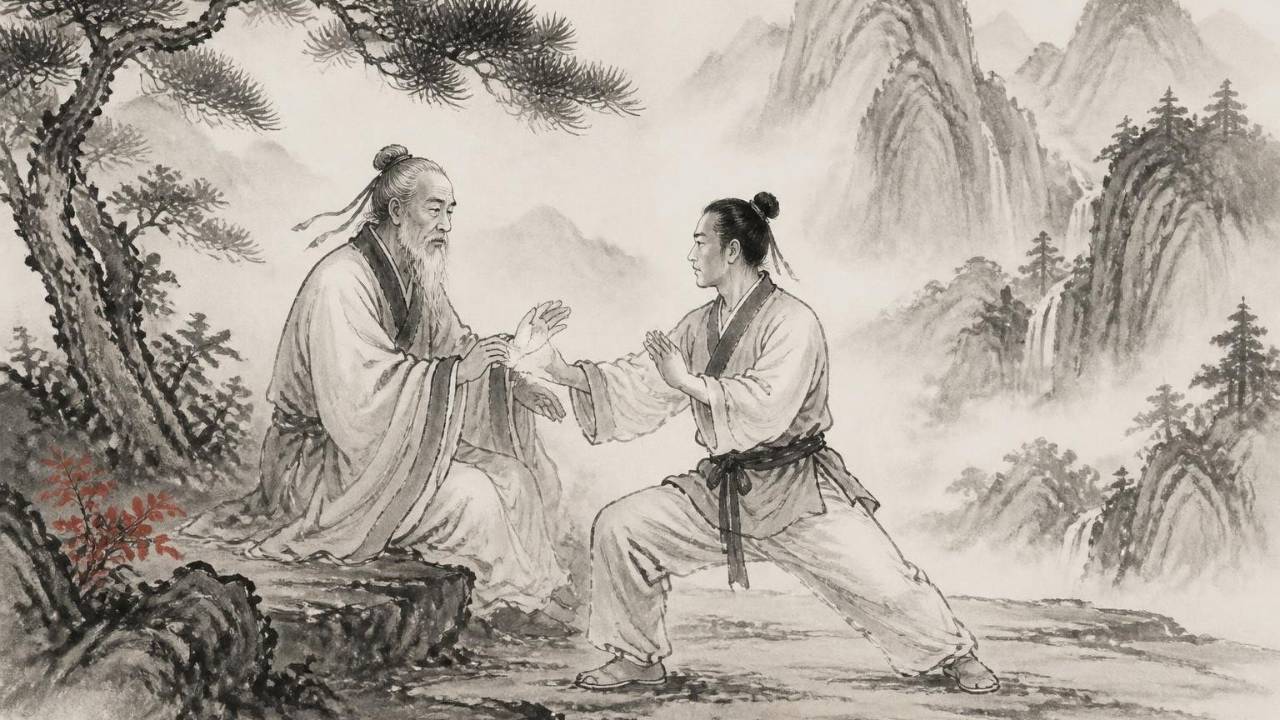
Tai Chi emerged from Taoist monasteries centuries ago, developed by practitioners who understood that the body and spirit aren't separate entities. Monks combined martial arts, energy work, and philosophical principles into flowing sequences. Our article on Taoism and the Martial Arts: Exploring the Connection traces this history in more depth.
Core principles that define tai chi taoist traditions:
- Softness overcomes hardness
- Movement follows natural rhythms
- Breath guides energy (qi) through the body
- Mind intention directs physical form
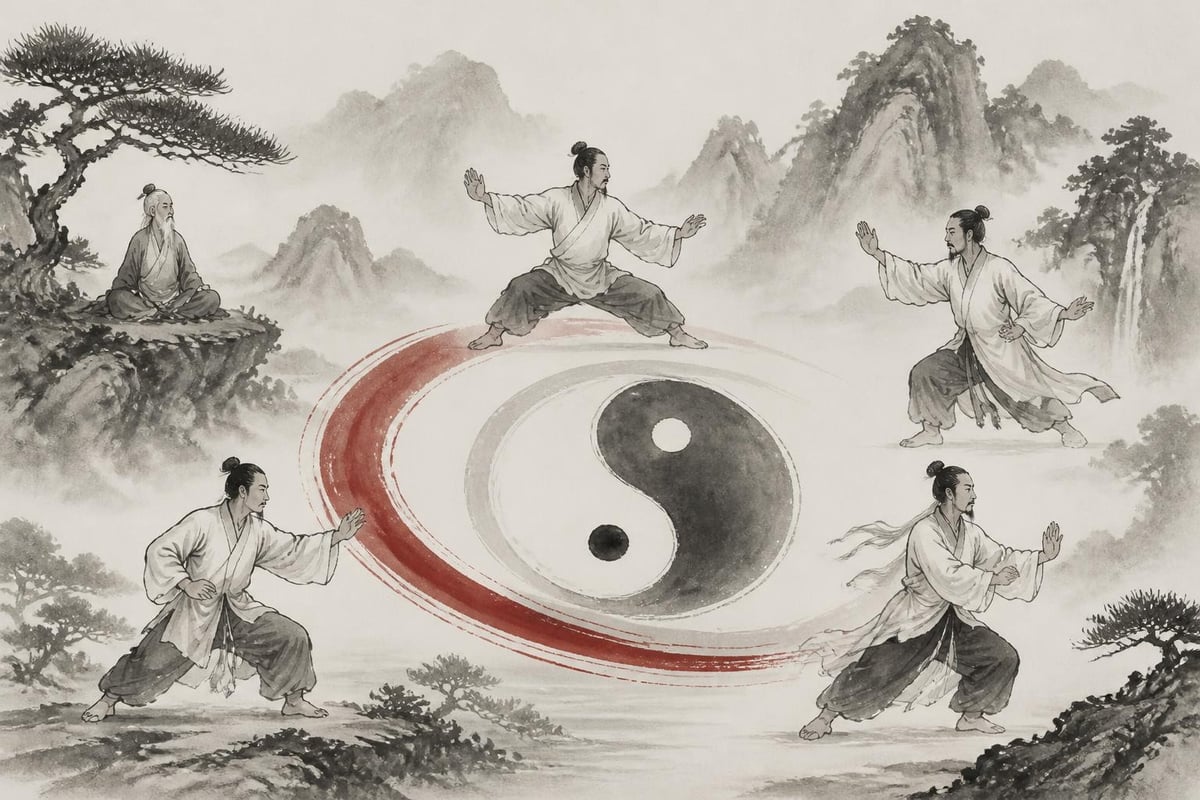
- Balance between yin and yang forces
These aren't just abstract concepts. When you practise, you're embodying Taoist ideas about how energy moves, how change happens, and how to stay centred amid life's chaos.
How Taoist Philosophy Shapes Movement
Every tai chi form carries Taoist wisdom. The slow, circular movements mirror water flowing around obstacles. The rooted stances reflect trees bending without breaking. This isn't coincidence but intentional design.
The tai chi taoist approach emphasises wu wei, or effortless action. You learn to move without forcing, to respond without tension, to be powerful through relaxation rather than muscular strain. This paradox confuses newcomers but becomes clear through consistent practice.
Physical Health Benefits Rooted in Taoist Understanding
Modern science validates what Taoist practitioners knew intuitively. The health benefits of tai chi stem directly from its philosophical foundations.
| Health Area | Tai Chi Taoist Benefit | Traditional Explanation |
|---|---|---|
| Balance | 40-50% reduction in falls | Energy rooted through earth connection |
| Joint Health | Reduced arthritis pain | Gentle movement lubricates joints |
| Cardiovascular | Improved heart health | Smooth qi flow supports blood circulation |
| Mental Clarity | Decreased anxiety | Calming the monkey mind |
Research shows that Taoist Tai Chi can significantly help with arthritis, offering relief without pharmaceutical intervention. The gentle, low-impact movements strengthen muscles around joints while improving flexibility.
For older adults, falls prevention through Taoist practice becomes increasingly important. The emphasis on rooting, weight shifting, and body awareness translates directly to better stability in daily life.
Pain Relief Through Energy Cultivation
One of the most compelling aspects of tai chi taoist practice is its approach to pain management. Rather than suppressing symptoms, the practice addresses underlying energy blockages.
Regular practitioners report significant improvements in chronic pain conditions. This happens because:
- Gentle stretching releases fascial restrictions
- Mindful movement reduces tension patterns
- Deep breathing oxygenates tissues
- Meditation component calms the nervous system
Our Tai Chi course incorporates these pain-relief principles throughout its curriculum, teaching you to work with your body's natural healing capacity.
The Energetic Dimension: Qi in Motion
Understanding qi (life energy) transforms tai chi from calisthenics into cultivation practice. In tai chi taoist tradition, every movement is designed to gather, refine, and circulate this vital force through your body's meridian system. Our article on How to Harness Chi Energy? The Best Techniques explores practical ways to work with this energy in more depth.
Three types of qi cultivation in practice:
- Pre-natal qi - Your inherited vitality, conserved through efficient movement
- Post-natal qi - Energy absorbed from food, air, and practice itself
- External qi - Environmental energy drawn in through specific postures
When you raise your arms in "Cloud Hands," you're not just exercising shoulders. You're opening lung meridians, drawing in fresh qi, and releasing stagnant energy. This energetic layer adds depth that purely physical exercise lacks.
Connecting Breath, Movement, and Intention
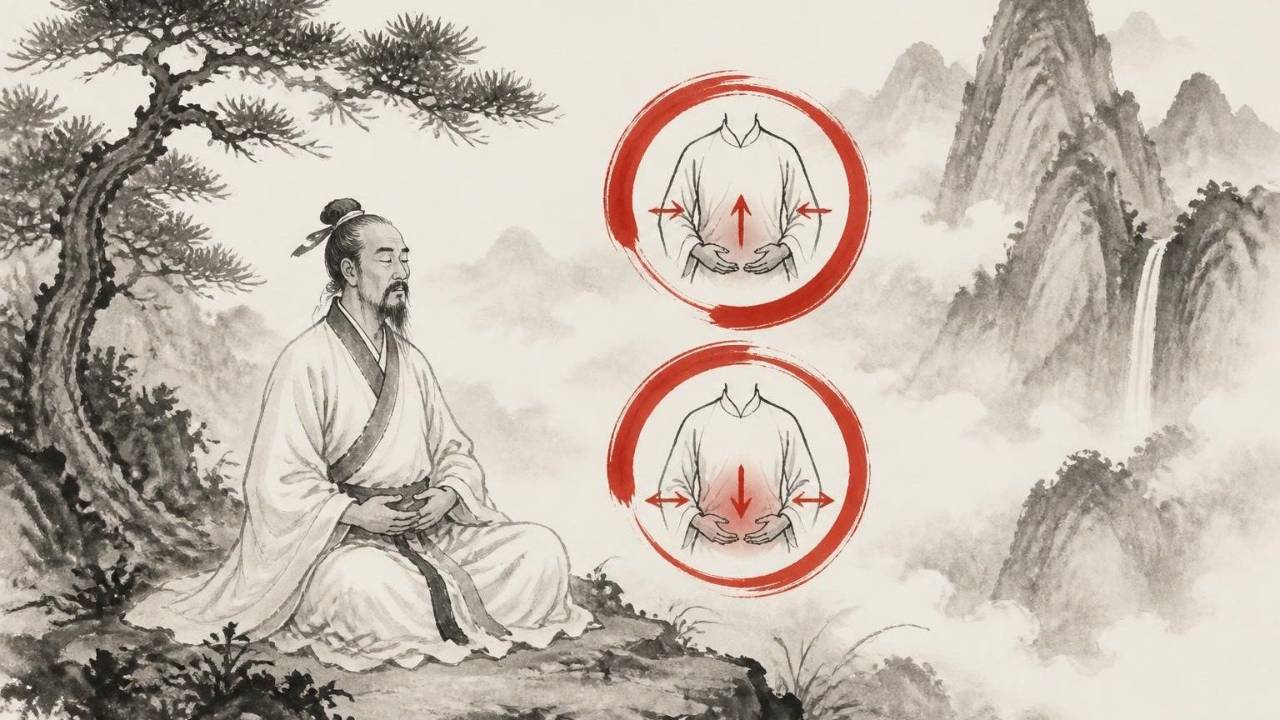
The tai chi taoist method synchronises three elements: body position, breathing pattern, and mental focus. This trinity creates what Taoists call "three treasures unified."
Your breath becomes the bridge. As you inhale, you gather and lift. As you exhale, you root and release. The mind follows breath, and the body follows mind. This coordination isn't automatic but develops through patient, consistent practice.
Students often discover this integration through guided sessions in our online community, where experienced practitioners share insights about subtle energy sensations.
Meditation in Motion: The Spiritual Practice
Tai chi taoist practice is moving meditation. Unlike seated meditation where you withdraw from the world, tai chi meditation engages fully with physical reality while maintaining inner stillness.
This approach suits modern practitioners who struggle sitting still. Your racing thoughts have somewhere to go, channelled into precise, flowing movements. The challenge becomes maintaining mental clarity while the body flows through complex sequences.
Cultivating Present-Moment Awareness
Each posture demands complete presence. You can't think about tomorrow's meeting while balancing on one leg with arms extended. This forced mindfulness is precisely the point.
The practice builds what Taoists call "witness consciousness," the part of you that observes without judging. You notice tension without criticism. You feel imbalance without frustration. This quality of awareness extends beyond practice sessions into daily life.
Integrating Taoist Philosophy Into Daily Life
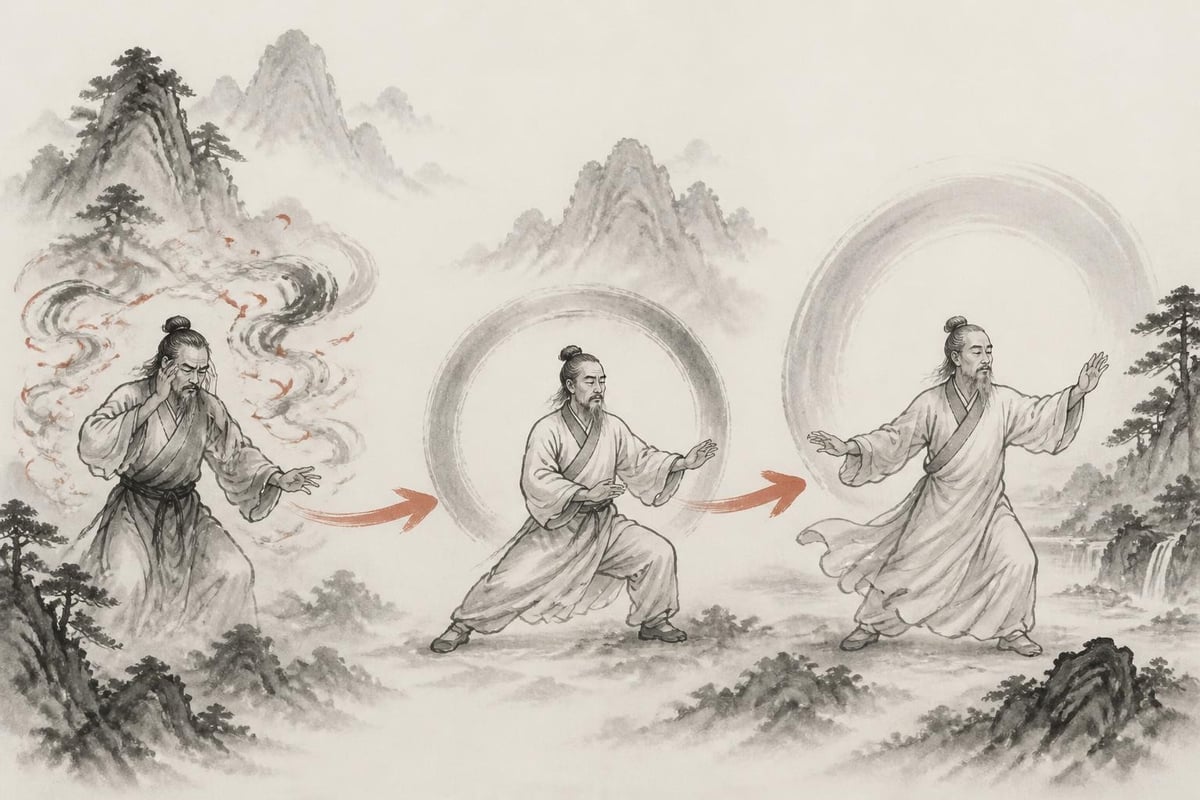
The real test of tai chi taoist practice happens off the mat. Can you maintain calm centredness during rush hour traffic? Can you respond to conflict with flexibility rather than rigidity?
Practical applications of tai chi principles:
- At work: Use slow breathing to manage stress, apply wu wei when facing obstacles
- In relationships: Practise yielding and listening before responding
- During challenges: Stay rooted like a tree bending in wind
- Throughout the day: Notice tension and consciously release it
Our Taoist Philosophy course explores these connections in depth, helping you understand the classical texts that underpin the physical practice.
Building a Sustainable Practice
Consistency matters more than intensity in tai chi taoist traditions. Fifteen minutes daily surpasses occasional marathon sessions. The practice accumulates like compound interest, subtle benefits building over months and years.
Many beginners wonder how to start. Our free Taoist course offers a gentle entry point, teaching fundamental movements and concepts across Tai Chi, Qi Gong, Meditation, and Taoist Wisdom without overwhelming.
| Practice Stage | Time Investment | Primary Focus | Key Development |
|---|---|---|---|
| Beginner (0-6 months) | 15-20 min daily | Learning forms | Body mechanics, basic flow |
| Intermediate (6-18 months) | 20-30 min daily | Refining movements | Energy awareness, breath coordination |
| Advanced (18+ months) | 30-45 min daily | Deepening practice | Spiritual integration, spontaneity |
Learning From Authentic Lineage
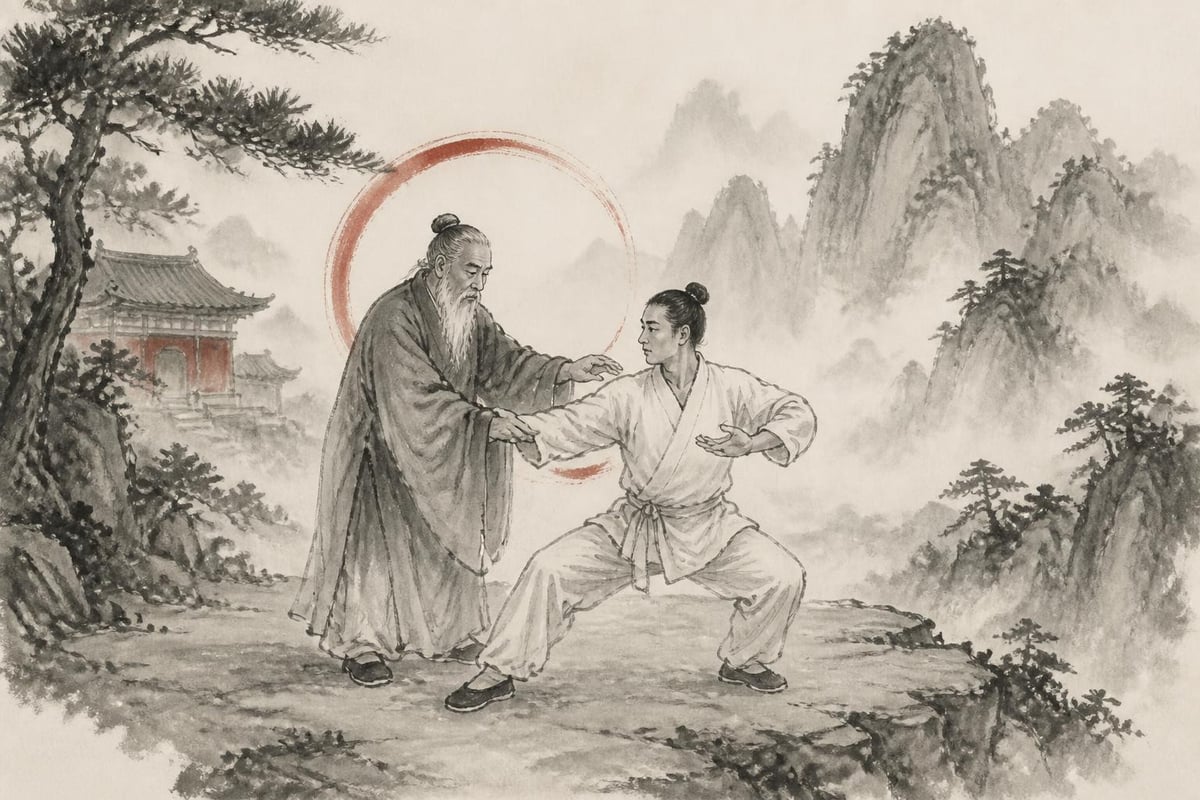
Not all tai chi taoist instruction offers genuine transmission of the tradition. The difference between learning choreography and receiving authentic teaching lies in lineage and depth of understanding.
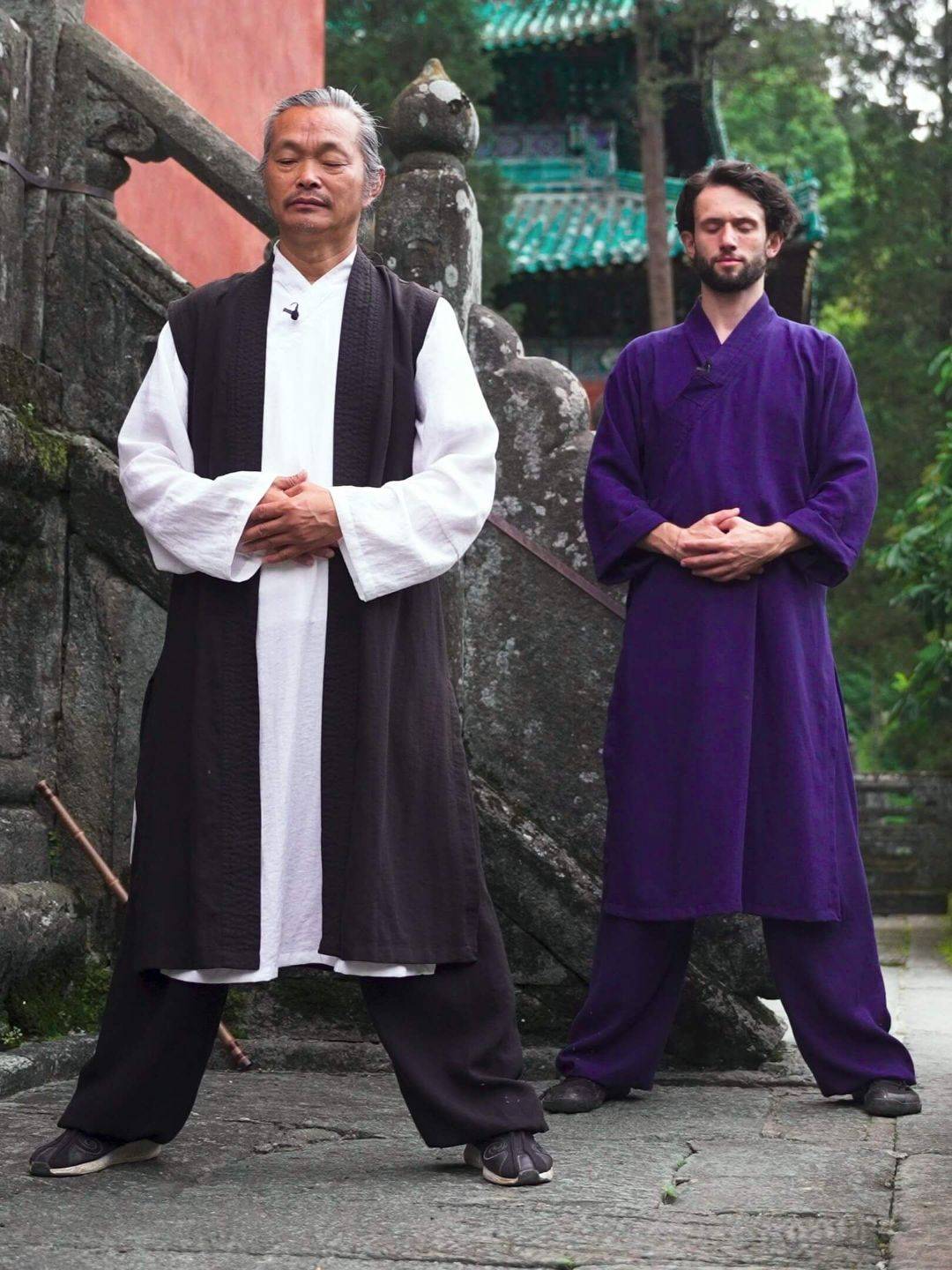
Master Gu brings over 25 years of Wudang Mountain training to his teaching, as a 15th-generation San Feng Pai Wudang Taoist Master. This matters because authentic Taoist arts contain layers of meaning that only emerge through proper transmission.
What you gain from authentic instruction:
- Correct internal mechanics, not just external form
- Understanding of energetic principles behind movements
- Connection to centuries of accumulated wisdom
- Adjustments tailored to your unique body and challenges
Common Questions About Tai Chi Taoist Practice
Do I Need to Be Flexible or Strong?
Absolutely not. Tai chi taoist practice meets you where you are. The movements adapt to your current capacity, gradually increasing range and strength over time. Many students begin with limited mobility and experience significant improvements.
How Does This Differ From Regular Tai Chi?
The tai chi taoist approach emphasises philosophical and energetic dimensions alongside physical form. While all authentic tai chi has Taoist roots, some modern teaching focuses primarily on health benefits without exploring deeper spiritual aspects. The integrated approach offers both practical wellness and contemplative depth.
Can I Practice at Home Effectively?
Yes, especially with proper guidance. Online learning through platforms like Taoist Wellness Online provides structure, feedback through community interaction, and progression through carefully designed curricula. Many students combine online learning with occasional in-person workshops or retreats in China for immersive experience.
What About Complementary Practices?
Tai chi taoist tradition includes related practices that deepen your cultivation. Our Qi Gong course focuses specifically on energy work. Our Taoist Meditation course develops inner stillness. Together, these create a comprehensive wellness system.
The Role of Community in Practice
Traditional Taoist training emphasised community and shared practice. This remains crucial today, even in online formats. When you practise alongside others, several benefits emerge naturally.
You witness different body types working with the same principles, learning from others' questions and breakthroughs. The collective energy of group practice creates a supportive field that individual practice cannot replicate. Accountability increases when you're part of a committed community.
Benefits of practising within a tai chi taoist community:
- Shared experiences normalise the learning process
- Different perspectives illuminate various aspects of practice
- Motivation increases through mutual encouragement
- Advanced practitioners model possibilities
- Teachers can address common challenges efficiently
Our online community platform connects practitioners globally, creating opportunities for exchange that weren't possible in earlier generations.
Equipment and Space Considerations
One beautiful aspect of tai chi taoist practice is its minimal requirements. You don't need expensive equipment, special facilities, or even much space.
| Requirement | Minimum | Optimal | Notes |
|---|---|---|---|
| Space | 6x6 feet | 8x8 feet | Enough to extend arms fully |
| Flooring | Any flat surface | Non-slip surface | Avoid deep carpet |
| Clothing | Loose, comfortable | Traditional tai chi attire | Whatever allows free movement |
| Time | 10 minutes | 30-45 minutes | Consistency over duration |
| Equipment | None required | Optional weights for advanced | Props rarely needed |
This accessibility means you can practise anywhere: living room, garden, park, even hotel rooms while travelling. The practice adapts to your circumstances rather than demanding special conditions.
Progression and Deepening Your Practice
Tai chi taoist development unfolds in layers. Initially, you're learning external choreography, memorising sequences, coordinating limbs. This stage feels mechanical and sometimes frustrating.
Gradually, movements become familiar enough that attention shifts inward. You begin noticing breath patterns, feeling energy movement, sensing subtle body mechanics. The practice becomes meditative rather than merely physical.
Eventually, a quality of spontaneity emerges. Forms flow naturally without conscious direction. You've internalised the principles so deeply that movement expresses them automatically. This advanced stage represents genuine embodiment of tai chi taoist wisdom.
Signs Your Practice Is Deepening
- Increased body awareness - Noticing subtle sensations previously overlooked
- Mental quiet - Thoughts settle naturally during practice
- Energy perception - Feeling qi movement through meridians
- Emotional balance - Greater equanimity throughout the day
- Physical changes - Improved flexibility, strength, and coordination
These markers aren't achievements to chase but natural developments through consistent practice. Forcing progress contradicts the fundamental tai chi taoist principle of wu wei.
Addressing Modern Health Challenges
The tai chi taoist approach offers specific benefits for contemporary health issues. Chronic stress, sedentary lifestyles, and digital overwhelm create patterns that ancient practices can address effectively.
For stress management, the moving meditation aspect directly counters fight-or-flight activation. The slow, flowing movements with deep breathing engage the parasympathetic nervous system, promoting rest and restoration.
Digital eye strain and forward head posture respond well to tai chi's emphasis on spinal alignment and gentle neck movements. The practice naturally counteracts hours spent hunched over screens.
Sleep issues often improve as practitioners develop better body awareness and stress management. The calming effect of evening practice prepares your nervous system for quality rest.
Finding Your Path in Tai Chi Taoist Study
Every practitioner's journey looks different. Some enter seeking pain relief and discover spiritual depth. Others begin with philosophical interest and experience unexpected physical transformation. The tradition accommodates diverse motivations while offering a coherent path.
The key is starting where you are, not where you think you should be. If physical health draws you, begin there. If meditation interests you most, enter through that door. All aspects interconnect eventually.
Our reading list supports different learning styles and interests. Some students prefer systematic study, others intuitive exploration.
What matters most is genuine engagement with the practice itself. Intellectual understanding helps, but embodied experience creates transformation. Taoist Tai Chi principles must be felt in your bones, not just understood in your mind.
Tai chi taoist practice offers a complete system for modern wellness, integrating physical health, mental clarity, and spiritual development through time-tested methods. Whether you're seeking pain relief, stress management, or deeper meaning, this tradition provides practical tools grounded in profound wisdom. If you're ready to explore how these ancient practices can transform your daily life, Taoist Wellness Online offers comprehensive courses, authentic instruction from Master Gu, and a supportive global community to guide your journey toward balance and vitality.