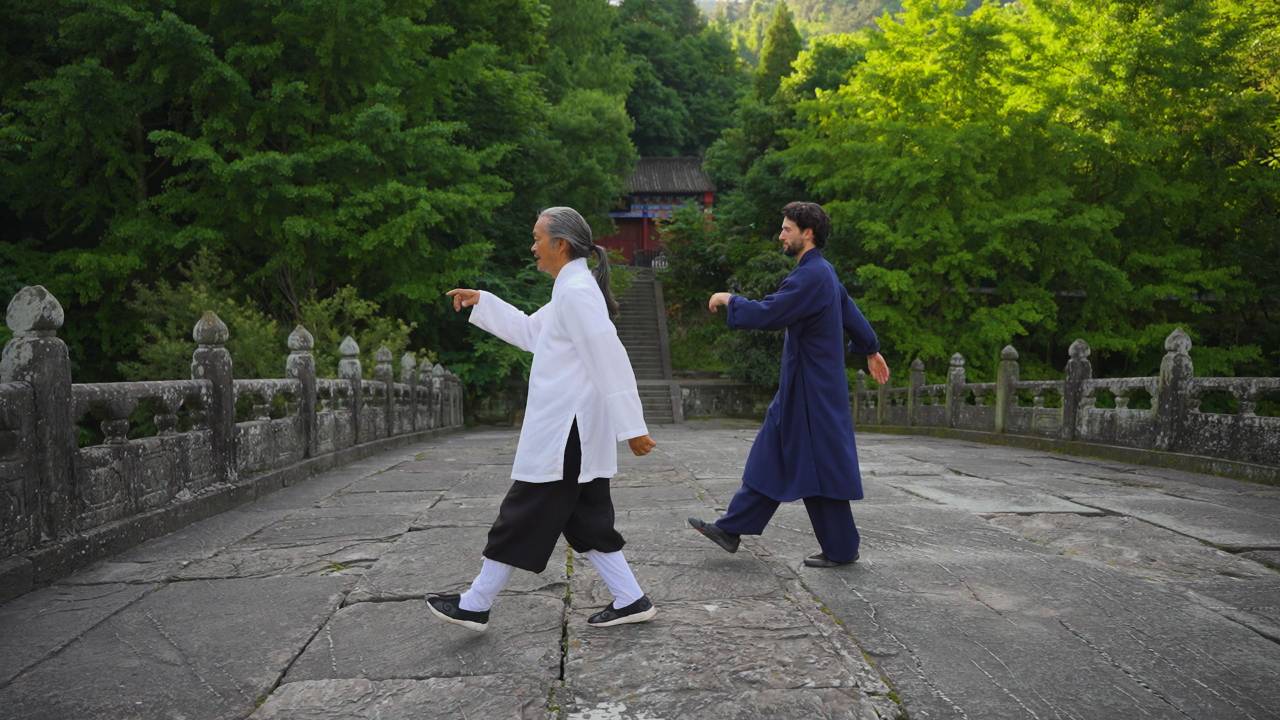
Guide to Tai Chi Breathing Techniques for Wellness 2026
Jul 05, 2026
Struggling with stress, low energy, or shallow breathing? Tai chi breathing could be the missing piece in your wellness journey. This ancient practice is gaining new recognition in 2026, supported by both time-honoured wisdom and modern research.
In this guide, you'll discover step-by-step tai chi breathing techniques designed to boost your health, energy, and sense of calm. We'll explore the foundations of mindful breathwork, explain the principles behind its benefits, and share expert tips to help you avoid common mistakes.
Ready to feel more relaxed, focused, and energised? Read on to unlock the power of tai chi breathing for a healthier, happier you.
The Foundations of Tai Chi Breathing
Tai Chi breathing forms the heart of this ancient mind-body art, weaving together movement, intention, and relaxation. By exploring these foundations, you can unlock a deeper connection to your energy, well-being, and inner calm.
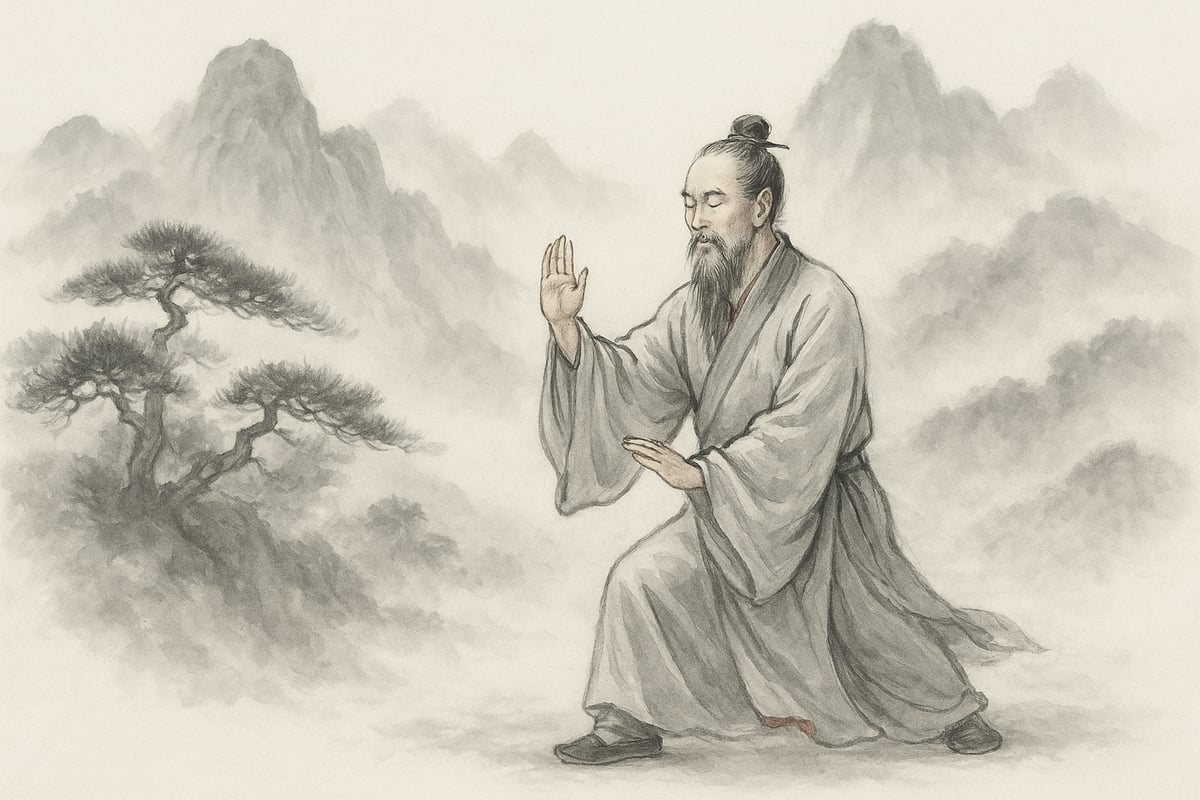
Understanding Tai Chi and Its Connection to Breath
Tai Chi is more than graceful movement - it is a living practice rooted in Daoist philosophy and centuries of tradition. At its core, Tai Chi breathing is the bridge between body and mind, allowing practitioners to cultivate Qi, or vital energy, with every inhale and exhale.
Unlike ordinary breathing, Tai Chi breathing is intentional and mindful. In Tai Chi, the breath is not just a background process; it is a guiding force that shapes each motion. Natural breathing happens without thought, while Tai Chi breathing links your awareness, posture, and movement into one harmonious flow.
Consider the opening and closing movements in Tai Chi. The gentle expansion as you open your arms mirrors a deep, nourishing inhale. As you close, you exhale, letting go of tension and returning to stillness. These motions are not just physical - they are metaphors for inviting energy in and releasing what no longer serves you.
Tai Chi breathing should be soft and unforced. Trying to control or restrict your breath can create tension and block the natural flow of Qi. Instead, each person's breath pattern may be slightly different, and Tai Chi honours this individuality.
Key Principles of Correct Tai Chi Breathing
The first principle of Tai Chi breathing is relaxation. Let your body and mind settle, releasing unnecessary tension so your breath can move freely. Healthy Tai Chi breathing is natural, with inhales and exhales that are smooth and effortless.
Synchronising your breath with movement is essential. As you open or rise, you inhale. As you close or sink, you exhale. This rhythm not only calms the mind but also helps you store and deliver energy throughout your practice.
Upright posture supports optimal lung capacity and allows Qi to circulate. Avoid holding your breath or falling into shallow breathing - these habits can disrupt the harmony you are cultivating. Instead, imagine your breath filling your body from the soles of your feet to the crown of your head.
Consider the Single Whip or Sun Style movements. As you expand, breathe in gently, feeling the energy rise. As you contract, breathe out, grounding yourself. This seamless connection between breath and movement is the essence of Tai Chi breathing.
Mindful movement and breathing can meaningfully improve lung health and overall vitality. When you practise Tai Chi breathing with patience and care, you support not only your physical health but also your emotional balance and resilience.
Tai Chi breathing invites you to slow down, listen to your body, and trust the wisdom of your breath. By mastering these foundations, you set the stage for lifelong wellness and inner peace.
The Benefits of Tai Chi Breathing for Wellness
Discovering the true value of tai chi breathing means looking at both ancient wisdom and lived experience. This gentle, mindful practice is more than just an exercise - it unlocks powerful support for your body, mind, and overall energy. Let us explore the ways tai chi breathing can support your wellness journey.
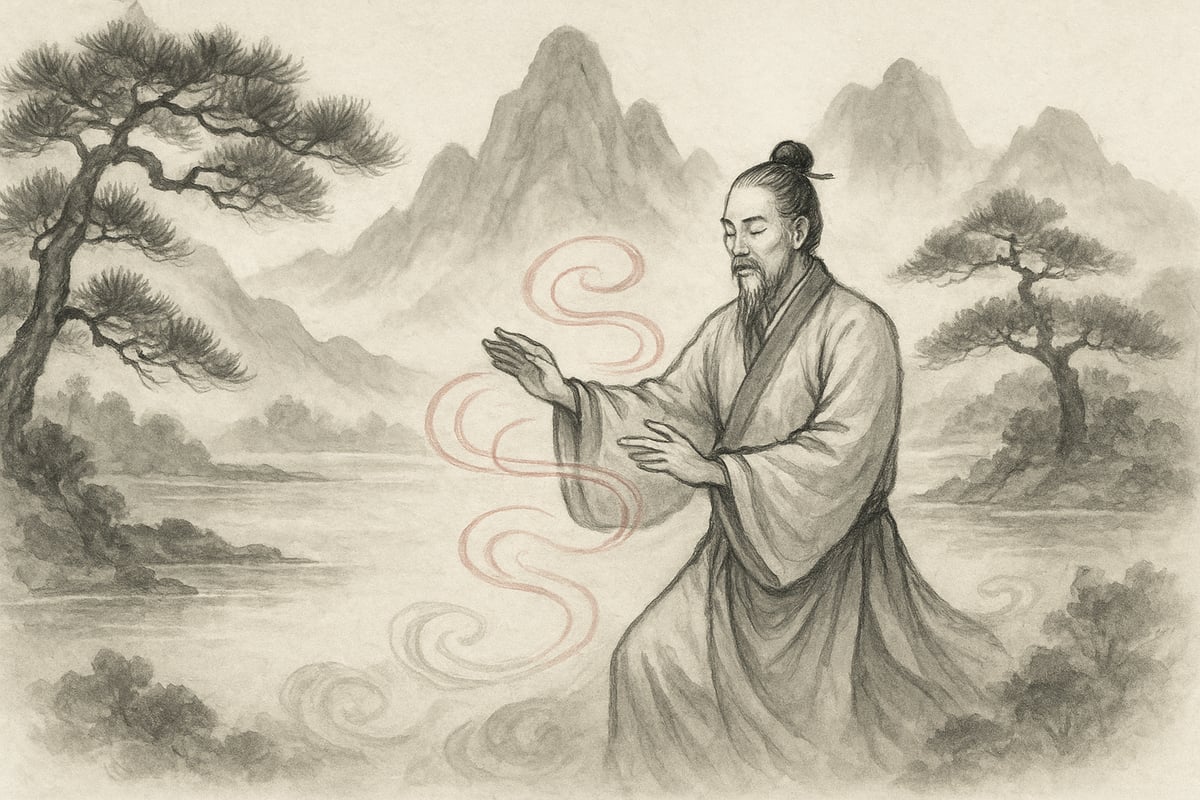
Physical Health Benefits
Tai chi breathing offers a foundation for better physical health. By practising mindful, deep breathing, you can support lung capacity and respiratory function. Tai chi breathing helps oxygenate your blood more efficiently, which enhances circulation and supports every cell in your body.
Practising tai chi breathing also helps strengthen the deep stabiliser and pelvic floor muscles. This stability benefits your core and posture, making daily movement easier and safer. Breathwork is a vital component within Tai Chi practice for joint health and gentle rehabilitation.
Other physical benefits include:
- Reduced inflammation and improved immune resilience
- Better balance and fall prevention for all ages
- Support for chronic lung conditions and easier recovery
Meditative movement and tai chi breathing can boost exercise tolerance and lung health. By bringing awareness to each breath, you help your body function at its best.
Mental and Emotional Wellness
Tai chi breathing is a powerful tool for calming the mind and easing emotional stress. When you focus on your breath, your body shifts into a relaxation response, lowering stress hormones and soothing the nervous system.
The mindful nature of tai chi breathing improves mood and sharpens mental clarity. Practitioners often report feeling more centred, less anxious, and better able to handle daily challenges.
Some key mental and emotional benefits include:
- Enhanced focus and present-moment awareness
- Better emotional regulation and resilience
- Deeper connection between body and mind
By making tai chi breathing a regular habit, you create space for peace and clarity in your day. This mindful approach nurtures your inner well-being, making it easier to respond to life's ups and downs.
Energy, Longevity, and Quality of Life
One of the most cherished aspects of tai chi breathing is its ability to cultivate and circulate qi, or vital energy. Regular practice supports healthy ageing, increases stamina, and fosters resilience in everyday life.
Many of our students share stories of improved vitality, mobility, and overall happiness after incorporating tai chi breathing into their routines. This practice is especially valuable for those managing chronic conditions or simply seeking preventive wellness, as it gently supports the whole person.
Key benefits for long-term wellness:
- Increased energy and endurance for daily activities
- Enhanced mobility and flexibility as you age
- Support for managing chronic conditions and promoting healthy habits
By embracing this ancient practice, you empower yourself to live with greater ease, energy, and joy.
Step-by-Step Guide to Core Tai Chi Breathing Techniques
Unlocking the art of tai chi breathing begins with learning its foundational techniques. Each method not only supports energy flow but also cultivates calm, focus, and resilience. The following step-by-step guide will help you integrate tai chi breathing into your daily wellness routine, no matter your experience level.
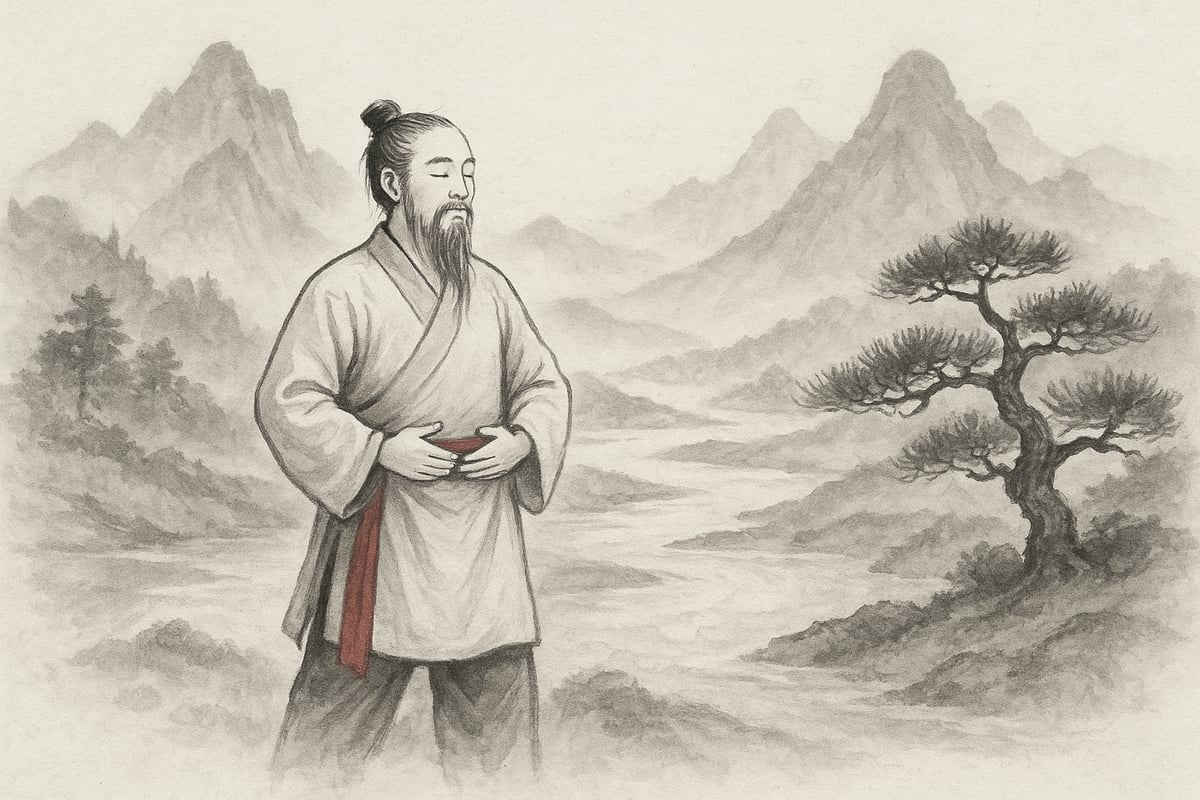
1. Natural Abdominal Breathing
Natural abdominal breathing is the cornerstone of tai chi breathing. This gentle, mindful method encourages you to breathe deeply into the lower belly, activating the diaphragm and promoting full oxygen exchange.
Step-by-step instructions:
- Stand or sit upright, feet flat on the floor.
- Rest your hands gently on your abdomen.
- Inhale slowly through the nose, feeling your belly expand outward.
- Exhale softly, letting the belly fall.
- Keep shoulders and chest relaxed throughout.
Tips for practice:
- Focus on smooth, unforced breaths.
- Notice the natural rise and fall of your abdomen.
- Avoid holding or rushing your breath.
Common mistakes include shallow chest breathing and tensing the upper body. If you catch yourself forcing the breath, gently return to a relaxed, natural rhythm. Practising this tai chi breathing technique daily helps build awareness and calm.
2. Dan Tian Breathing Method
The Dan Tian, located just below the navel, is considered the energy centre in tai chi breathing. This method stores and circulates Qi, deepening both physical and energetic benefits.
How to practise Dan Tian breathing:
- Stand with feet hip-width apart, spine upright.
- Place both hands over your lower abdomen.
- Inhale gently, expanding the lower belly and relaxing the pelvic floor.
- Exhale, softly drawing in the pelvic floor and abdomen.
- Hold a slight contraction for stability, then repeat.
Visualisation can enhance this process. Imagine energy moving along the body's central lines as you breathe. This tai chi breathing technique can be woven into movements or practised alone, and engaging the deep muscles during Dan Tian breathing supports posture and enhances energy flow.
3. Reverse Abdominal Breathing (Advanced)
Reverse abdominal breathing is an advanced tai chi breathing practice, often used for martial applications and deeper Qi cultivation. Unlike natural breathing, the abdomen contracts on inhale and expands on exhale.
Steps:
- Begin in a relaxed standing posture.
- Inhale through the nose, gently drawing the belly inward.
- Exhale, allowing the belly to expand.
- Synchronise with slow, controlled movement, such as a tai chi punch.
Reverse breathing intensifies energy and stabilises the core. Beginners should approach this with caution and progress slowly. This method can enhance muscle synergy and strength as your practice deepens.
4. Coordinating Breath with Tai Chi Movements
Coordinating breath with movement is essential for harnessing the full power of tai chi breathing. The basic guideline is to inhale during opening or rising motions, and exhale during closing or sinking.
How to synchronise:
- Inhale as arms open, chest lifts, or body rises.
- Exhale as arms close, body sinks, or movements contract.
- Use visualisations, such as imagining breath as gentle waves flowing with your hands.
A sample sequence is the "Opening and Closing Hands" movement, where you inhale with opening and exhale with closing. Maintain a steady flow, and avoid holding your breath. This harmony between breath and movement amplifies the mind-body connection central to tai chi breathing.
5. Developing a Personalised Tai Chi Breathing Practice
Personalising your tai chi breathing practice ensures it fits your needs and lifestyle. Listen to your body and adjust breath patterns as needed.
Tips for building your routine:
- Start with 5-10 minutes daily, gradually increasing time.
- Track your progress by noting energy, mood, and focus changes.
- Seek feedback from a qualified instructor if possible.
You can practise tai chi breathing while standing, sitting, or even walking. The key is consistency and mindfulness. Over time, you'll notice greater relaxation, clarity, and vitality from your tai chi breathing journey.
Integrating Tai Chi Breathing into Daily Life
Finding ways to bring tai chi breathing into your daily life can transform ordinary moments into opportunities for calm, focus, and renewal. Whether you are just beginning or looking to deepen your practice, consistency and adaptability are key to making tai chi breathing a source of lasting wellness.
Building Consistency and Mindfulness
To experience the full benefits of tai chi breathing, start by creating a simple, regular routine. Set aside five to ten minutes each day, ideally in a quiet spot at home or outdoors. Consistent practice, even in short bursts, helps reinforce mindful breathing as a natural part of your lifestyle.
Use brief tai chi breathing breaks throughout the day when you feel tension or fatigue. Try focusing on your breath for a few cycles during work, errands, or even while waiting in line. Over time, you may find that mindful breathing comes more easily, helping you reset your energy and mood.
For busy schedules, a five-minute tai chi breathing session can be a game changer. Stand or sit comfortably, relax your shoulders, and synchronise your breath with gentle arm movements. Let your inhale open the body, and your exhale settle you into calm awareness. This small practice can anchor your day with balance and clarity.
Adapting Techniques for All Ages and Abilities
Tai chi breathing is truly for everyone, regardless of age or physical ability. If you are a senior, have limited mobility, or live with a chronic lung condition, gentle modifications can make practice accessible and safe. Seated postures, slower movements, and mindful pauses allow you to benefit from tai chi breathing without strain.
It is wise to consult with your healthcare provider before starting a new breathing routine, especially if you have respiratory concerns. Gentle exercise and conscious breathing are widely recommended for lung health. For more tips on adapting your practice as you age, our blog post on Tai Chi for Seniors offers guidance on making practice safe and effective for older adults.
Safety comes first. Always listen to your body, and do not force your breath. With mindful adjustments, tai chi breathing can support your well-being at any stage of life.
Tracking Progress and Staying Motivated
As you grow your tai chi breathing practice, tracking your experiences can be both inspiring and insightful. Keep a simple journal to note how you feel before and after each session. Over weeks, you may notice improvements in mood, energy, and focus.
Joining a tai chi group or online community can boost motivation and provide valuable support. Sharing your journey with others helps you stay accountable and learn new insights. Set realistic goals, such as practising tai chi breathing three times a week or mastering a new technique each month, and celebrate your progress along the way.
Remember, the journey with tai chi breathing is personal. Every small step counts, and patience leads to lasting change.
Explore Tai Chi Breathing with Taoist Wellness Online
For those seeking expert guidance and a supportive learning environment, the Taoist Meditation course within the Academy membership covers tai chi breathing, energy cultivation, and holistic wellness for all levels, taught directly by Master Gu.
Learning within a global community offers encouragement, live feedback, and authentic instruction. Our free 4-week Taoist Wellness course is a gentle way to explore tai chi breathing at your own pace before committing to anything further. Thousands of students worldwide have found balance, resilience, and lifelong growth through this practice.
Whether you are a beginner or experienced practitioner, you will find tools and inspiration to make tai chi breathing an enduring part of your everyday life.
Common Mistakes and How to Troubleshoot Tai Chi Breathing
Struggling with tai chi breathing is more common than you might think. Even experienced practitioners can slip into unhelpful patterns. The key is to recognise these missteps early and gently guide yourself back to balance.
Recognising and Correcting Errors
The first step in mastering tai chi breathing is noticing when your breath falls out of sync. Are you overthinking each inhale and exhale, trying to force a rhythm? This can create tension and block the natural flow of energy.
Common signs of trouble include holding the breath, breathing too shallow or fast, or mismatching your breath with movement. For example, if you inhale when the movement calls for an exhale, it can disrupt both your posture and your focus.
Another frequent pitfall is carrying tension in the shoulders, chest, or abdomen. This tension restricts the gentle expansion and contraction that tai chi breathing encourages. If you notice yourself straining or feeling lightheaded, pause and return to a simple, natural breath.
Here's a quick self-check table:
| Error Type | What It Feels Like | Quick Reset Tip |
|---|---|---|
| Overthinking | Mental fatigue, stiff movements | Focus on easy, relaxed exhale |
| Breath-holding | Tight chest, dizzy or anxious | Let go, sigh out gently |
| Shallow breathing | Fast, upper chest movement | Place hand on belly, slow down |
| Breath-movement clash | Awkward flow, loss of balance | Match breath to opening/close |
If you ever feel stuck, simply stand or sit comfortably, close your eyes, and allow your breath to return to its natural rhythm. This resets your tai chi breathing and prepares you to try again with a calm mind.
Solutions and Best Practices
To overcome these challenges, start by returning to the basics of tai chi breathing. Relax your posture, soften your gaze, and let your breath flow without effort. Remember, tai chi breathing should feel nourishing, never forced.
Practise patience. Improvement comes gradually, not overnight. If you get frustrated, pause and use visualisation: imagine your breath as a gentle wave, rising and falling with each movement. This imagery can help you reconnect breath with intention.
Seeking feedback from an instructor or joining a group can also be invaluable. Sometimes, a fresh perspective uncovers habits you might miss alone.
Self-compassion is an important part of practice. If you notice tension or mismatched breathing, simply acknowledge it and return to a relaxed, upright posture. Your tai chi breathing will improve as you build awareness, consistency, and trust in your body's natural wisdom.
Tai Chi Breathing Techniques for Specific Wellness Goals in 2026
Tai chi breathing is not one-size-fits-all. Your wellness goals, health needs, and even your favourite Tai Chi style can shape your approach. In 2026, more practitioners are customising their tai chi breathing to target specific outcomes, making this practice highly adaptable and personal.
Personalise Tai Chi Breathing for Stress and Emotional Wellness
Tai chi breathing can be tailored to support emotional balance and stress relief. For many, slow, deep abdominal breathing is the foundation. Focus on lengthening your exhale, which helps activate the body's relaxation response. Pair this with gentle movements or even stillness, allowing each breath to guide your mind into a calm, centred state.
Try journaling after each session to notice shifts in mood or tension. If anxiety or overwhelm are your main concerns, tai chi breathing provides a gentle, accessible anchor, helping you reconnect to your body and release stress naturally.
Tai Chi Breathing for Respiratory Health and General Wellbeing
For those looking to support lung function, tai chi breathing offers genuine benefits. Slow, mindful breathing supports lung capacity and encourages full, gentle expansion of the chest and abdomen. Always consult with a healthcare provider before starting any new practice if you have existing health concerns, and adapt movements as needed to suit your mobility and stamina.
Boosting Energy and Performance with Tai Chi Breathing
Tai chi breathing is also a powerful tool for boosting vitality and physical performance. Active individuals can use coordinated breathwork to support stamina, endurance, and recovery. Focus on synchronising inhales with opening, rising motions, and exhales with closing, sinking actions.
For those managing fatigue or chronic discomfort, gentle tai chi breathing helps deliver oxygen to tissues, supports healing, and builds resilience. Adjust the depth and pace of your breath to match your energy level, and celebrate small improvements as you go.
Adapting Breathing by Tai Chi Style
Different Tai Chi styles offer unique approaches to tai chi breathing. Yang style emphasises smooth, continuous breath, while Sun style uses agile, lively steps paired with gentle inhaling and exhaling. Our blog post on the 7 Essential Forms of Tai Chi explores these distinctions in more depth.
If you're feeling inspired to bring the calming power of Tai Chi breathing into your daily life, remember - you don't have to do it alone. Having a step-by-step path and supportive community can make all the difference as you build new habits for better health, energy, and peace of mind. Why not take the first step and let authentic guidance meet you where you are? Whether you're brand new or looking to deepen your practice, you can learn Tai Chi step by step with our free 4-week course. And when you're ready to go further, Taoist Wellness Online is here with full Academy membership, authentic instruction from Master Gu, and a global community to support every breath of the way.