Tai Chi Easy: Gentle Movements for Modern Life
Sep 04, 2026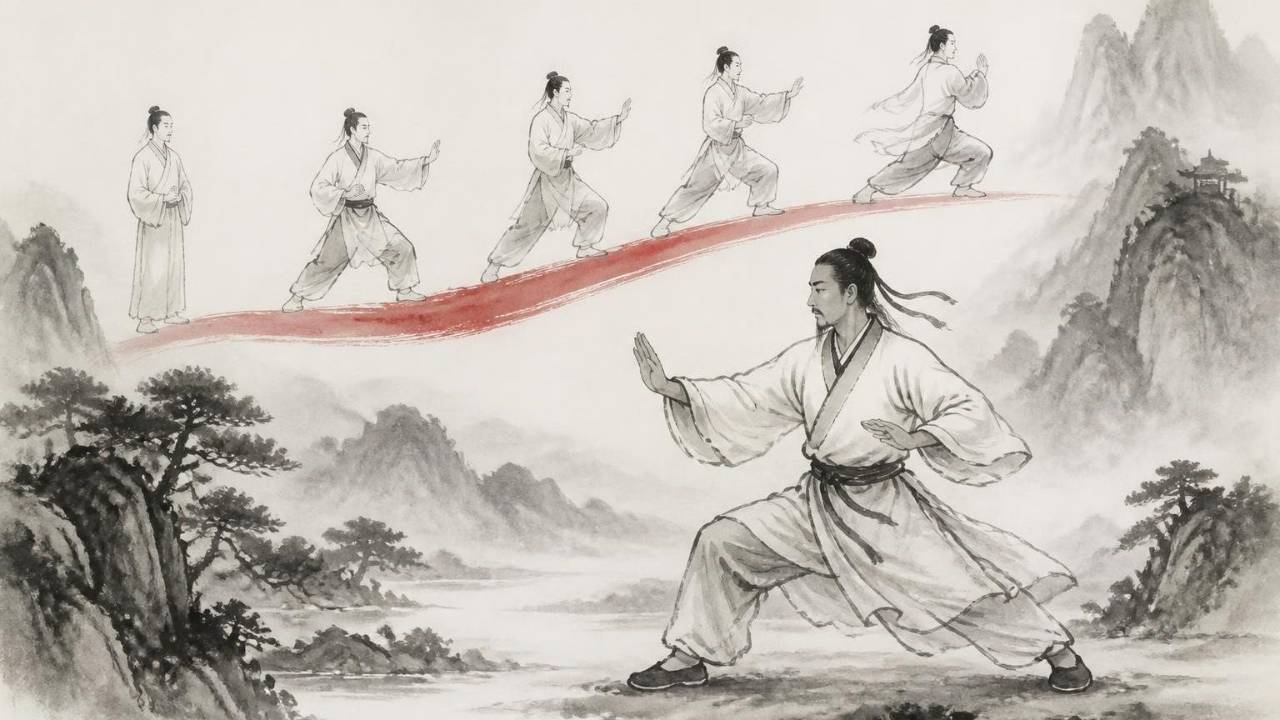
You've probably heard about tai chi and its incredible benefits, but maybe you've hesitated because it seems complicated or time-consuming. That's where an easier approach to tai chi comes in. This approachable method takes the essence of traditional Wudang tai chi and makes it accessible to anyone, regardless of age, fitness level, or experience. You don't need special equipment, a big space, or years of training to start feeling the benefits. What you need is a willingness to move gently, breathe deeply, and meet yourself where you are today.
What Makes This Approach to Tai Chi Different
Making tai chi easy isn't about watering down an ancient practice. It's about removing the barriers that keep people from starting. Traditional forms can include dozens of movements with names that sound poetic but unfamiliar. This simplified approach focuses on core principles: shifting weight smoothly, coordinating breath with movement, and cultivating present-moment awareness.
The beauty of this approach lies in its simplicity. Instead of memorising lengthy sequences, you learn foundational movements that your body can understand quickly. These basics contain all the wisdom of the complete practice. Our piece on Cheng Man Ching: Yang Style Tai Chi And His 37 Forms looks at a historical example of this same simplifying instinct, applied by one of the great modern masters.
Core Elements You'll Practice
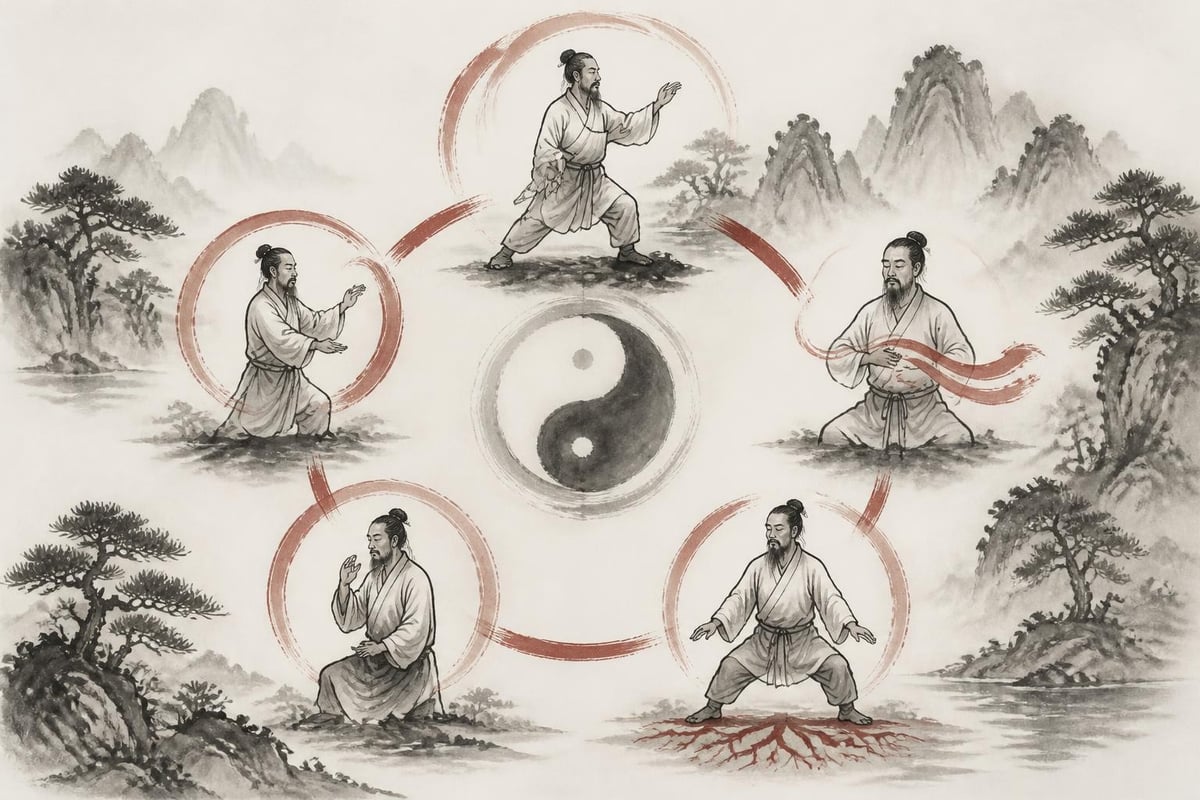
When you begin with a gentle, easy version of tai chi, you're working with movements that have been refined over centuries at Wudang Mountain. This simplified approach preserves what matters most:
- Weight shifting that improves balance and strengthens legs
- Circular arm movements that open shoulders and chest
- Coordinated breathing that calms the nervous system
- Mindful attention that quiets mental chatter
- Rooting practices that help you feel grounded and stable
Each element supports the others. As you shift your weight, you breathe. As you breathe, you become more aware. Awareness leads to smoother movement, and the cycle deepens naturally.
Physical Benefits That Arrive Quickly
One of the most encouraging aspects of practising tai chi this way is how quickly you notice changes in your body. Unlike exercise programmes that require weeks before you feel different, many people report subtle improvements after just a few sessions.
Your balance improves because you're constantly practising controlled weight shifts. Research shows that tai chi significantly reduces fall risk, especially important as we age. But you don't have to wait until you're older to benefit from better stability.
What Your Body Gains
| Benefit | How It Develops | Timeline |
|---|---|---|
| Better balance | Daily weight shifting practice | 1-2 weeks |
| Reduced joint stiffness | Gentle circular movements | 2-3 weeks |
| Improved sleep quality | Nervous system regulation | 1-4 weeks |
| Lower stress levels | Breath-movement coordination | Immediate to 2 weeks |
| Enhanced flexibility | Consistent gentle stretching | 3-6 weeks |
These gentle movements work your muscles differently than conventional exercise. Rather than isolating muscle groups, you engage whole chains of muscles working together. This builds functional strength, the kind you use in daily life when you reach for something on a high shelf or carry groceries up stairs.
Joint health improves because the movements are low-impact and flowing. There's no jarring or pounding. Your knees, hips, and ankles move through natural ranges of motion, which helps maintain the fluid that keeps joints lubricated and healthy.
Mental and Emotional Shifts
While the physical benefits might be what initially draws you to a gentler style of tai chi, the mental and emotional changes often become what keeps you practising. The moving meditation aspect creates a different quality of calm than sitting meditation.
When your body is gently occupied with coordinated movement, your mind has something to focus on besides its usual worries and planning. You're present with the sensation of shifting weight, the feeling of air moving across your skin, the rhythm of your breath.
This isn't about forcing yourself to concentrate. It's more like giving your mind a comfortable place to rest while you move. Thoughts still come, but they don't demand the same attention when you're engaged in the flow of practice.
Creating Space for Clarity
Many students discover that this gentle style of tai chi helps them process emotions that have been stuck. The gentle movements, especially those that open the chest and shoulders, can release held tension. Sometimes this brings up feelings. That's natural and healthy.
The practice teaches you to stay present with whatever arises. Not pushing it away, not drowning in it, just acknowledging and continuing to move and breathe. This skill transfers beautifully to daily life when challenging situations appear.
After a few weeks of consistent practice, you might notice:
- Improved mood throughout the day, even when you're not practising
- Better emotional regulation when stress appears
- Enhanced mental clarity for decision-making
- Deeper sleep as your nervous system learns to downshift
- Greater patience with yourself and others
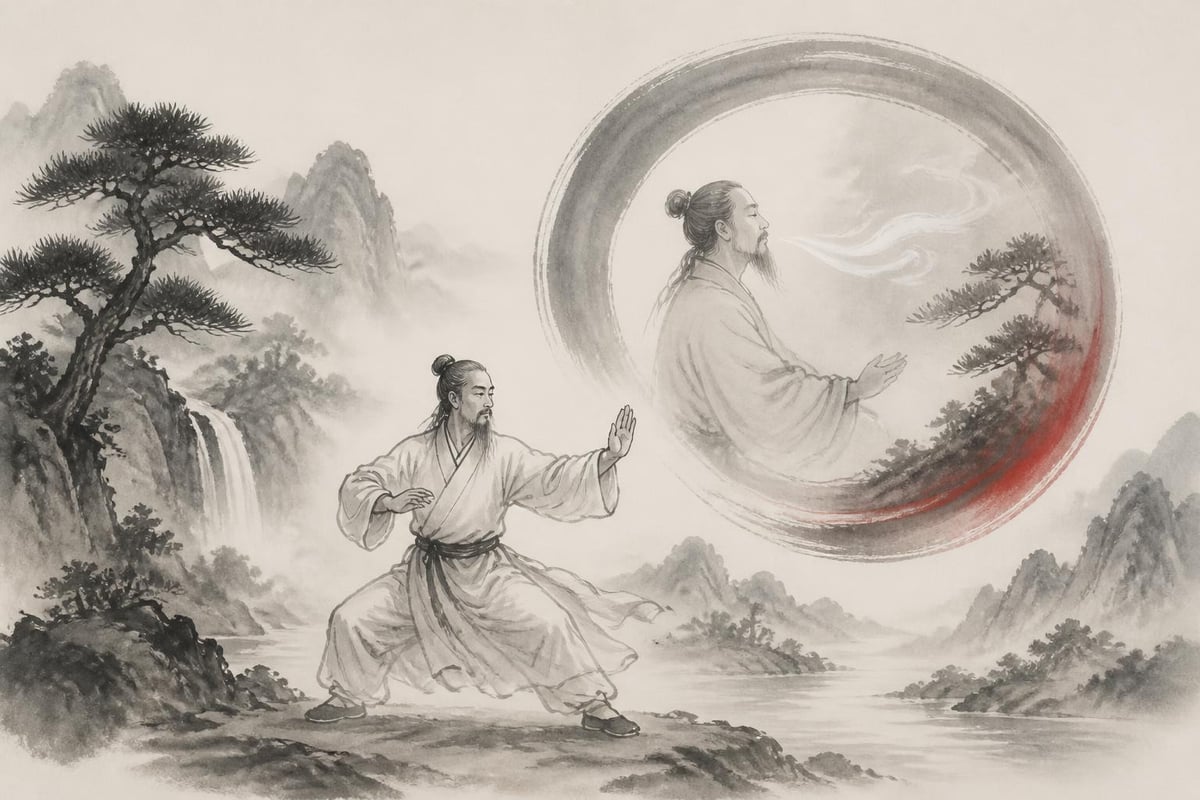
Starting Your Practice at Home
You don't need to join a studio or buy special clothes to begin. Your living room works perfectly. Even a small space is enough because the movements don't require much room.
The best time to practise is whenever you'll actually do it. Some people love morning practice to set the tone for their day. Others prefer evening sessions to release accumulated tension. Both approaches work beautifully.
Your First Five Minutes
If you're completely new, start with just five minutes. Stand comfortably with feet shoulder-width apart. Let your arms hang naturally. Close your eyes or soften your gaze downward.
Begin shifting your weight slowly from one foot to the other. Not lifting your feet, just transferring weight like a gentle sway. Notice how this small movement affects your whole body. Your ankles adjust. Your knees flex slightly. Your hips shift. Your spine responds.
Add your breath. Inhale as you shift to one side. Exhale as you shift to the other. Keep the movement and breath smooth and continuous. Already, in this simple practice, you're doing tai chi.
From this foundation, you can explore basic arm movements. Raise your arms slowly as you inhale, lower them as you exhale. Keep everything soft and rounded. No sharp angles. No rushing.
Learning from Authentic Sources
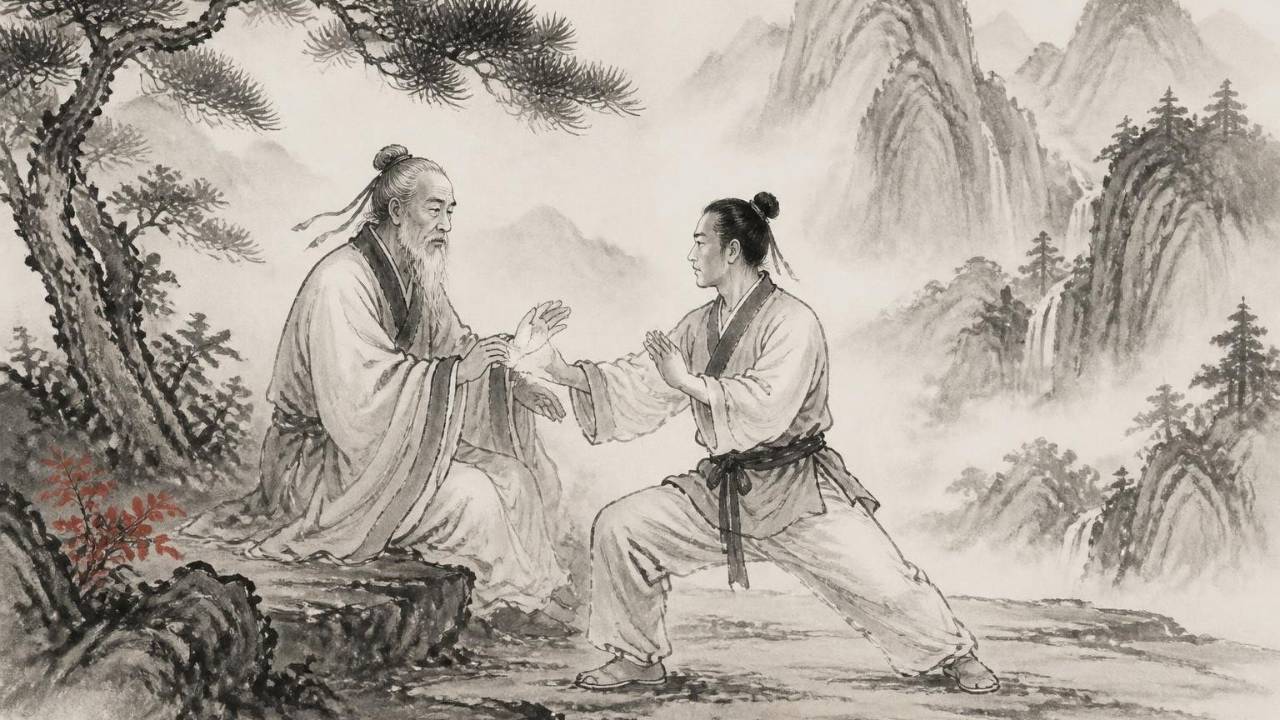
While you can certainly explore this gentle approach on your own, learning from someone who understands the Wudang tradition adds depth to your practice. The lineage matters because it preserves subtle details that make a real difference in how the practice affects you.
Master teachers, like Master Gu in authentic Wudang training, have spent decades refining their understanding. They can see where you're holding tension that you don't notice yourself. They know which small adjustments will help energy flow more smoothly through your body.
Taoist Wellness Online offers a structured path for learning tai chi within the context of complete Wudang teachings. If you'd like a gentle sample first, our free Taoist course covers Tai Chi, Qi Gong, Meditation, and Taoist Wisdom, giving you progressive lessons that build naturally on each other, plus the support of community and live sessions where you can ask questions and receive personalised guidance.
Building Your Foundation Properly
When you learn tai chi from experienced teachers, you avoid developing habits that limit your progress later. Small details matter. The angle of your knee. The position of your tailbone. The quality of your attention.
These aren't rigid rules to stress about. They're helpful guidelines that make the practice more effective and enjoyable. Think of them as shortcuts that save you time and confusion.
Online learning works surprisingly well for a gentle introduction to tai chi because the movements are simple enough to learn visually, yet the practice is deep enough that you'll keep discovering new layers. Video instruction lets you watch demonstrations multiple times, practise at your own pace, and return to specific sections when you need clarification.
Adapting Practice to Your Needs
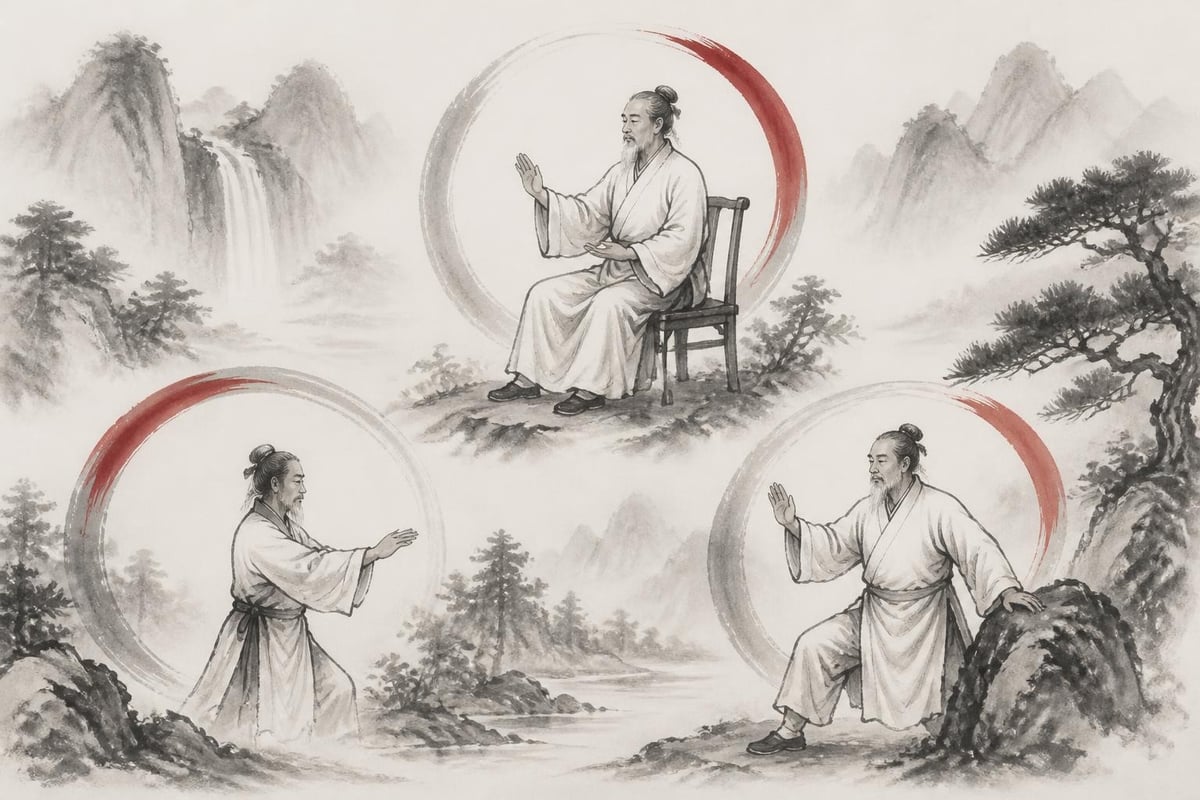
One of the greatest strengths of this gentle approach is its adaptability. The same basic principles work whether you're 25 or 85, athletic or recovering from injury, energetic or exhausted.
If standing is difficult, you can practise many movements while seated. The essential elements, weight shifting, circular motion, breath coordination, remain accessible. Chair-based practice still offers profound benefits.
Modifications That Maintain Integrity
| Situation | Adaptation | What Remains |
|---|---|---|
| Limited mobility | Smaller movements, seated practice | Breath coordination, mental focus |
| Low energy | Shorter sessions, gentler pace | Core principles, mindful awareness |
| Joint sensitivity | Reduced range of motion | Intention, energy cultivation |
| Time constraints | Five-minute practices | Movement-breath connection |
| Space limitations | Stationary movements | Internal aspects, grounding |
The practice meets you where you are. Some days you might have energy for twenty minutes of flowing movement. Other days, five minutes of simple breathing and weight shifting is perfect. Both are valuable.
Integrating Practice into Daily Life
The real magic happens when tai chi stops being something you do and becomes part of how you move through life. You start noticing opportunities to apply the principles everywhere.
Waiting in line at the shop? Gently shift your weight and notice your breath. Stuck in traffic? Relax your shoulders and soften your grip on the steering wheel. Feeling anxious before a meeting? Take three slow breaths coordinated with subtle hand movements that no one else will notice.
This integration doesn't require extra time. It transforms moments you're already experiencing. The principles you practise in formal sessions become tools you carry with you.
Creating Sustainable Routines
Consistency matters more than duration. Five minutes daily builds more progress than an hour once a week. Your body and mind respond to regular practice by reorganising around these new patterns.
Set up your environment to support practice. Maybe you clear a small space in your bedroom that stays ready. Or you establish a routine: tea, then five minutes of gentle practice, then breakfast. The ritual aspect helps your practice become automatic.
Many students find that combining tai chi with our Qi Gong course deepens their understanding. The practices reinforce each other, creating a complete system for cultivating health and balance. Our article on Transform Life with Tai Chi's Ancient Wisdom & Modern Practice explores this idea of tai chi as an ongoing lifestyle rather than an isolated session.
Common Questions Beginners Ask
How quickly will I see results? Most people notice subtle improvements in how they feel within one to two weeks. Physical changes like better balance and increased flexibility typically develop over four to six weeks of consistent practice.
Do I need to be flexible? Not at all. This gentle approach to tai chi works with whatever flexibility you currently have. The gentle movements actually help increase range of motion over time, but you start exactly where you are today.
What if I can't remember the movements? That's completely normal at first. This approach focuses on a few foundational movements that you repeat many times. Repetition builds memory naturally. Using video instruction that you can replay helps tremendously.
Can I practise if I have chronic pain? Many people with conditions like arthritis find that gentle tai chi helps reduce pain and improve function. However, always check with your healthcare provider before starting any new movement practice.
Is this the same as regular tai chi? This gentle approach preserves the core principles of traditional Wudang tai chi but presents them in a more accessible format. You're learning authentic movements and principles, just organised in a way that lets you start experiencing benefits quickly.
Deepening Your Understanding
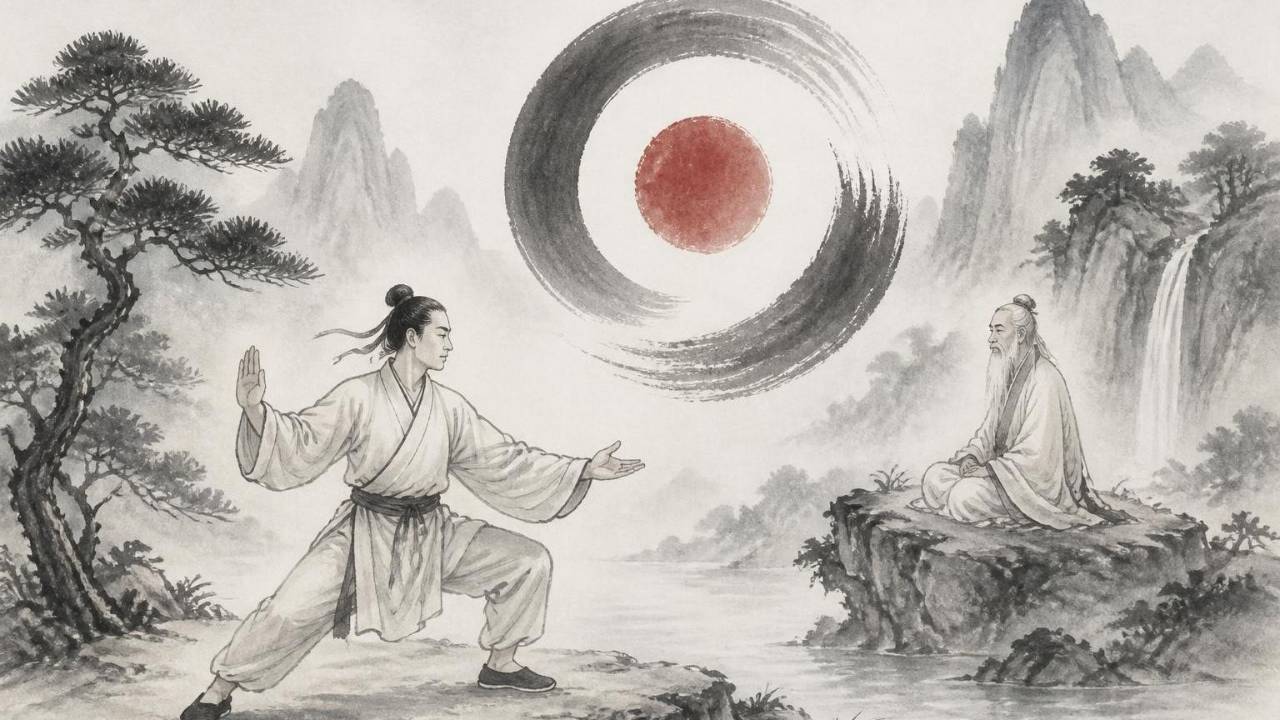
As you continue practising, you might find yourself curious about the deeper philosophy behind these movements. The practices emerge from Taoist wisdom about living in harmony with natural rhythms and cultivating vital energy.
You don't need to study philosophy to benefit, but many students discover that exploring our Taoist Philosophy course enriches their practice. Understanding concepts like wu wei (effortless action) and yin-yang balance gives context to why you move in certain ways.
The movements themselves teach philosophy through direct experience. When you practise yielding rather than forcing, staying soft yet stable, moving from your centre, you're embodying Taoist wisdom. Your body learns what your mind might struggle to grasp intellectually.
Beyond the Basics
After several weeks of consistent practice, you might feel ready to explore more complex forms. This gentle foundation prepares you well. The body awareness, breath control, and mental focus you've developed make learning advanced sequences much easier.
Many students transition naturally from this gentle introduction to our complete Tai Chi course once they've established their foundation. The progression feels organic because you're building on solid understanding rather than jumping into complexity before you're ready.
Others prefer to stay with the simpler movements indefinitely, going deeper into the fundamentals rather than adding more forms. Both approaches are valid. The practice serves you best when it matches your current interests and needs.
Building Momentum Gradually
The temptation when starting something new is to dive in intensely. Gradual building works better here. Your body needs time to reorganise. Your nervous system needs time to learn new patterns. Your mind needs time to settle into this different quality of movement.
Start with whatever feels sustainable. Maybe that's three minutes every morning. Great. Do that for two weeks, then add two more minutes. Or keep the same duration but add an evening session. Small, consistent steps create lasting change.
Notice what you notice. Pay attention to how you feel after practice compared to before. Track subtle shifts in your mood, energy, sleep, or stress levels. These observations motivate continued practice more than forcing yourself to stick to a rigid schedule.
Joining a Community
Learning alongside others, even virtually, enhances your practice. When you connect with fellow students in our online community, you gain encouragement, answer questions faster, and discover perspectives you wouldn't find alone.
Hearing how others adapt the practice to their unique circumstances gives you permission to experiment. Watching someone else work through a challenge you're facing provides insight. Sharing your own discoveries helps you integrate what you're learning.
The social aspect matters more than you might expect. Knowing others are practising too, even in different locations, creates a sense of connection that supports your commitment. You're part of something larger than your individual practice.
Practical Tips for Success
Keep your practice space simple and inviting. You don't need candles, cushions, or special decorations unless they help you feel relaxed. A clear floor and comfortable temperature are enough.
Wear loose, comfortable clothing that allows full range of motion. Bare feet or flexible shoes with thin soles help you feel the ground better. Remove jewellery that might distract you.
Practise on an empty or nearly empty stomach. A full belly makes movement less comfortable and can interfere with the flow of energy through your body. Morning practice before breakfast or late afternoon before dinner works well for most people.
Tracking Your Progress
Consider keeping a simple practice journal. Nothing elaborate, just brief notes about what you practised, how long, and anything you noticed. Over time, these observations reveal patterns and progress you might otherwise miss.
You might write: "Five minutes, basic movements, noticed my left shoulder drops more than my right." Or: "Felt restless at first, settled by the third minute, ended feeling calm."
This gentle documentation helps you understand your practice more deeply without turning it into another task to stress about. A few sentences after practice, written while the experience is fresh, serves you better than detailed entries that become a burden.
Supporting Your Whole Wellness Journey
This gentle approach to tai chi works beautifully as a standalone practice, but it also complements other wellness activities you might already do. It pairs naturally with walking, yoga, strength training, or any movement practice you enjoy.
The breath awareness you develop enhances meditation. The body awareness improves your performance in sports or exercise. The mental calm supports better sleep, which affects everything else in your life positively.
Think of this gentle foundation as something that makes everything else work better. When your nervous system is regulated, your joints are lubricated, and your mind is clearer, all your other healthy habits become easier to maintain.
Some students explore tai chi walking as a way to extend their practice into daily movement. Others add our Taoist Meditation course that deepens the mental clarity they experience during their gentle practice sessions.
This gentle, accessible approach to tai chi offers a path to better balance, reduced stress, and greater vitality using movements refined over centuries in the Wudang tradition. Whether you practise five minutes or fifty, the benefits accumulate naturally when you show up consistently with patient attention. If you're ready to experience these transformative practices with authentic guidance, Taoist Wellness Online provides comprehensive instruction from Master Gu, a 15th-generation San Feng Pai Wudang Taoist Master, along with a supportive global community and resources designed to help you build a sustainable, enriching practice that serves you for years to come.