Is Tai Chi a Martial Art? Origins, Practice & Truth
Oct 03, 2026
When people watch tai chi practitioners moving through slow, graceful forms in parks and studios, many wonder: is tai chi a martial art? The answer reveals a fascinating journey through Chinese history, philosophy, and practice. Tai chi emerged centuries ago as a complete combat system, designed for self-defence and battlefield effectiveness. Today, it serves millions as a pathway to better health, balance, and peace. Understanding this dual nature helps you appreciate what tai chi offers, whether you're seeking martial skills, wellness benefits, or both.
The Martial Origins of Tai Chi
Tai chi developed within Chinese martial traditions, rooted in practical fighting applications and battlefield strategy. The art emerged during China's Ming and Qing dynasties, when martial skills meant survival.
Historical records trace tai chi to the Chen family village in Henan province, where combat techniques merged with Taoist principles of natural movement and energy cultivation. Our Types of Tai Chi guide traces how these early combat roots branched into the five main family styles still practised today.
The martial foundations include:
- Striking techniques using fists, palms, and fingers
- Joint locks and grasping methods
- Throws and takedowns based on leverage
- Footwork patterns for positioning and evasion
- Weapons training with swords, spears, and poles
Combat Principles in Every Movement
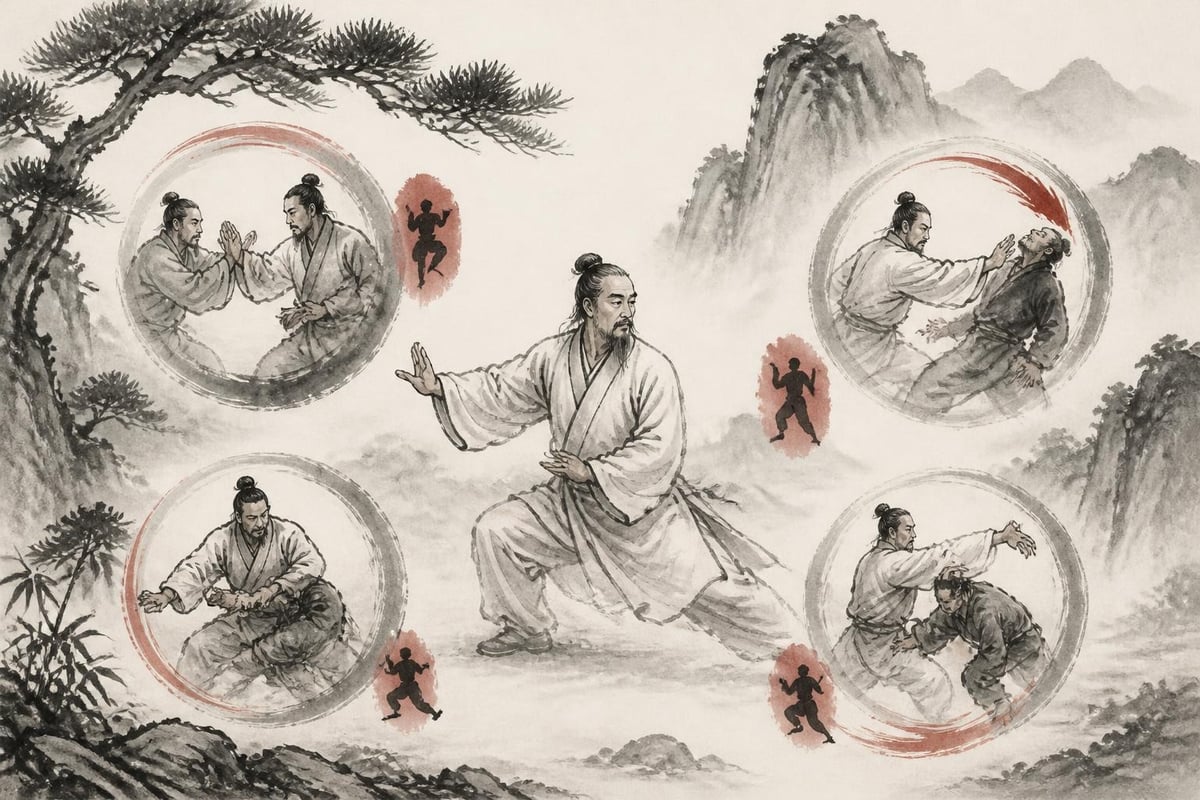
Each tai chi form contains hidden martial applications called "fa jin" (explosive power). What appears as gentle arm circles might represent blocking a punch while simultaneously striking. A weight shift could be a throw or sweep.
The practice teaches you to redirect incoming force rather than meet it head-on, a principle that distinguishes internal martial arts from external hard styles. This approach made tai chi effective for smaller practitioners defending against larger opponents.
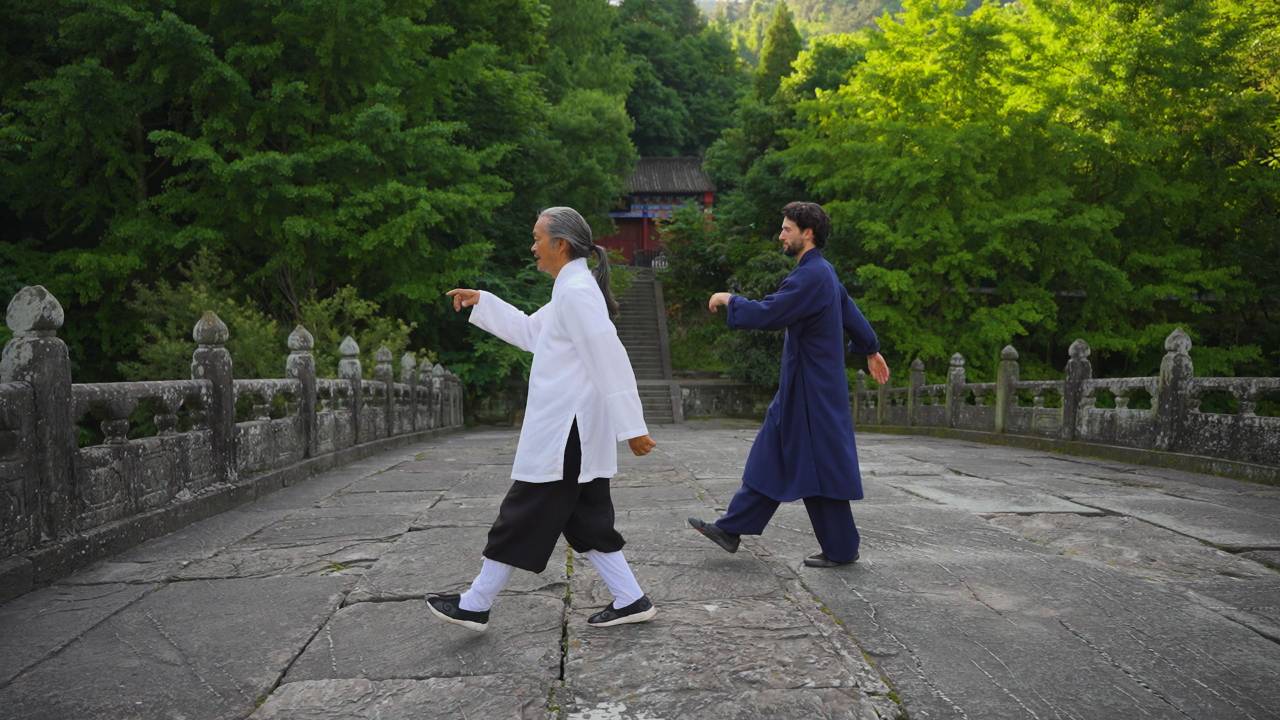
Traditional training included push hands (tui shou), a two-person exercise where partners test sensitivity, balance, and the ability to neutralise force. Master Gu carries forward these authentic Wudang traditions, maintaining the martial integrity within the wellness practice.
Master Gu explains the origins and philosophical roots of Wudang tai chi in the video below.
How Tai Chi Evolved Beyond Combat
The question "is tai chi a martial art" becomes more complex when we examine how the practice transformed during the 20th century. Political, cultural, and health factors reshaped tai chi's public face.
In 1949, the People's Republic of China began promoting simplified tai chi forms for public health rather than combat. The government wanted accessible exercise for ageing populations and workers, not warrior training. This shift systematically reframed the art for a mass health audience.
| Traditional Martial Focus | Modern Health Focus |
|---|---|
| Combat applications taught first | Health benefits emphasised |
| Fast and slow movements | Primarily slow, flowing practice |
| Strength and power development | Flexibility and relaxation |
| Two-person combat drills | Solo form practice |
| Weapons as fighting tools | Weapons for coordination |
This shift didn't erase the martial content, but it changed what most students learned and why they practised. The 24-form simplified set became the standard introduction, focusing on movement quality and breathing rather than fighting skills.
The Wellness Revolution
Research into tai chi's slow, mindful movements has documented meaningful health benefits, including improvements in balance, cardiovascular function, and mental clarity.
The practice is associated with reduced fall risk in older adults. It supports the management of chronic conditions. It's linked to lower stress and anxiety. These findings positioned tai chi as a legitimate complementary approach to wellbeing.
When asking is tai chi a martial art, we must recognise it became both a martial art and a wellness practice. The forms retained their combat DNA while serving new purposes. Your teacher's lineage and approach determine which aspect you'll emphasise in training.
What Makes Tai Chi Martial
Despite its reputation as gentle exercise, tai chi maintains distinct martial characteristics that separate it from pure fitness activities or meditation practices.
Fighting Applications in Every Posture
Authentic tai chi instruction reveals the martial meaning behind each movement. "White crane spreads wings" isn't just an elegant pose; it's a defence against a grab combined with a strike to the throat. "Brush knee and push" blocks a low attack while delivering a palm strike to the chest.
The circular, continuous motions train your body to move efficiently under pressure. Nothing stops; energy flows from one technique to the next. This creates the "sticky hands" quality where you maintain contact with an opponent, feeling their intentions through touch.
Core martial elements preserved in practice:
- Rooting and stability against pushing force
- Spiralling power generation from the ground up
- Sensitivity training through partner work
- Strategic positioning and angle creation
- Mind-body integration for instant response
Traditional schools maintain combat training alongside health-focused practice. Students learn applications, practise push hands with resistance, and develop the explosive power hidden within slow forms.
Comparing Tai Chi to Other Martial Arts
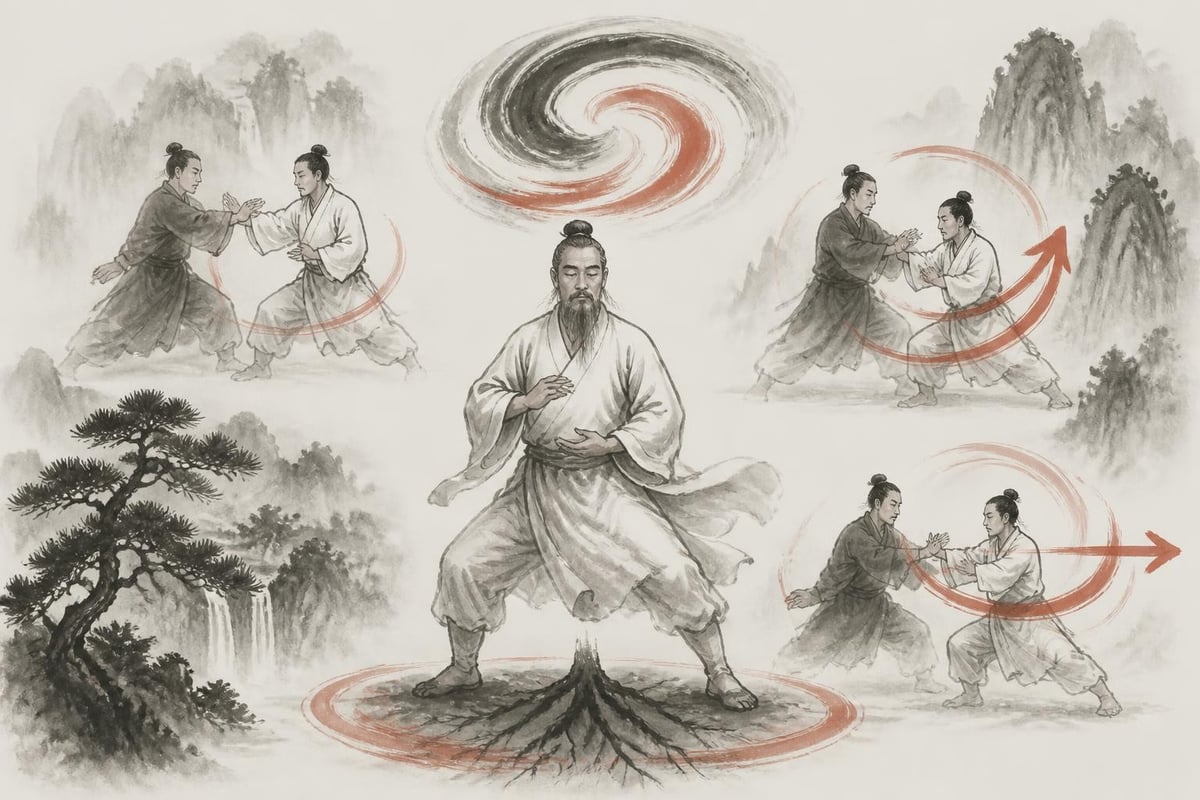
When people question whether is tai chi a martial art, they often compare it to more obviously combative systems like karate, boxing, or Brazilian jiu-jitsu. Understanding these differences clarifies tai chi's unique position.
| Aspect | External Martial Arts | Tai Chi (Internal) |
|---|---|---|
| Power source | Muscular strength, speed | Whole-body connection, timing |
| Training speed | Fast, realistic combat pace | Slow practice, fast application |
| Conditioning | Heavy bag work, sparring | Form practice, push hands |
| Learning curve | Faster initial progress | Longer development period |
| Age adaptability | Youth advantage significant | Effective across lifespan |
External martial arts emphasise direct conditioning: hit the bag harder, run faster, build more muscle. Tai chi develops qualities like sensitivity, balance, and whole-body coordination that don't decline as quickly with age.
The Internal Martial Arts Family
Tai chi belongs to the internal martial arts (neijia) along with bagua and xing yi. These systems share principles:
They prioritise relaxation over tension. They cultivate qi (vital energy) through practice. They use the opponent's force against them. They integrate Taoist philosophy with fighting strategy.
This doesn't make tai chi less effective than external styles; it makes it different. A skilled tai chi practitioner can defend themselves effectively, though the training path differs from conventional martial arts.
Our Wudang Tai Chi course particularly emphasises this integration of martial skill, energy cultivation, and spiritual development as inseparable aspects of complete practice.
Tai Chi as Modern Practice
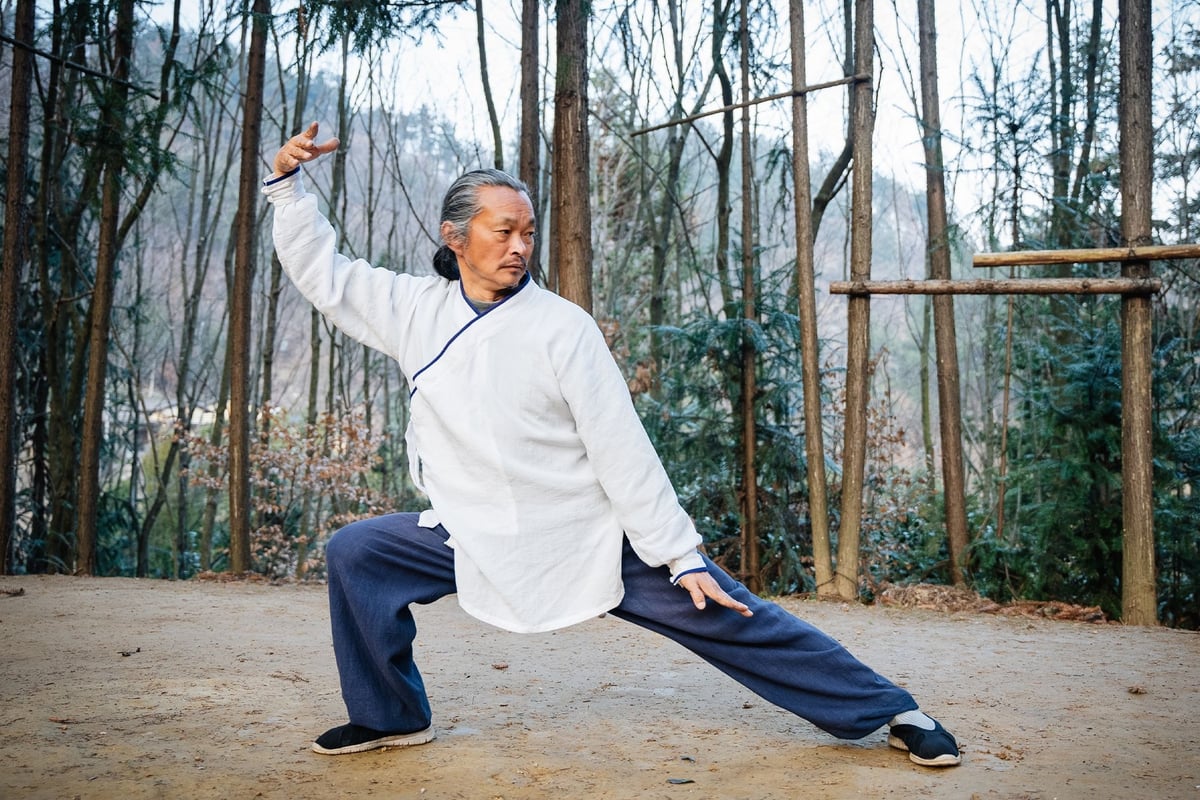
Today's practitioners approach tai chi from diverse motivations. Some seek the martial heritage, while others want health benefits or spiritual growth. The practice accommodates all these intentions.
Three Approaches to Practice
Martial focus: These students train applications, develop combat skills, and practise with resistance. They learn to apply techniques against non-compliant partners and may cross-train with other fighting systems. The movements remain martially coherent.
Health focus: Most modern practitioners emphasise wellness, stress reduction, and physical conditioning. They practise forms for posture improvement, balance, and relaxation. The martial origins inform the movements but aren't the primary goal.
Spiritual cultivation: Some approach tai chi as moving meditation, a method for cultivating inner stillness and understanding Taoist principles. The combat applications and health benefits support deeper practice rather than being ends themselves.
Your path might blend all three. Our free Taoist course introduces the foundations of Wudang tai chi, allowing you to explore the practice's various dimensions and discover which aspects resonate with your needs.
Many practitioners start for health benefits and later become curious about martial applications. Others begin with martial interest and discover profound wellness effects. The practice meets you where you are and grows with your understanding.
Evidence for Health Benefits
Research points to a range of health benefits associated with tai chi, including improved balance and reduced fall risk in older adults, supportive effects on cardiovascular markers, and positive changes in mood and mental wellbeing.
The slow, controlled movements strengthen muscles while protecting joints. The focused attention supports a calmer nervous system. The upright posture counters the forward collapse common in modern life. These benefits emerge from the same principles that made tai chi effective in combat.
When you practise tai chi forms, you're training the same body awareness and control that warriors developed. The application changed, but the fundamental training remains.
Learning Authentic Tai Chi Today
Finding quality tai chi instruction requires understanding what authentic practice includes. Not all classes maintain the martial heritage or depth of traditional training.
Look for instructors who can explain applications, not just demonstrate forms. Ask about their lineage and who taught them. Traditional transmission from master to student ensures the complete art passes forward rather than just movement choreography.
What Complete Training Includes
- Form practice: Learning the sequence of movements with correct alignment and flow
- Applications: Understanding the martial meaning of each posture
- Push hands: Partner training for sensitivity and force management
- Qi gong: Energy cultivation practices that support tai chi development
- Philosophy: The Taoist principles underlying the physical practice
Benefits of authentic Wudang training:
- Direct lineage to traditional sources
- Integration of combat, health, and spiritual aspects
- Progression from basic to advanced levels
- Community support from fellow practitioners
- Access to complete curriculum, not simplified versions
The Wudang system preserves tai chi's full spectrum while making it accessible to modern students. You don't need to become a fighter to benefit from understanding the martial content. That knowledge informs every movement, making your practice more effective. Our Tai Chi Chuan article traces this heritage back to its origins in more depth.
Why the Martial Question Matters
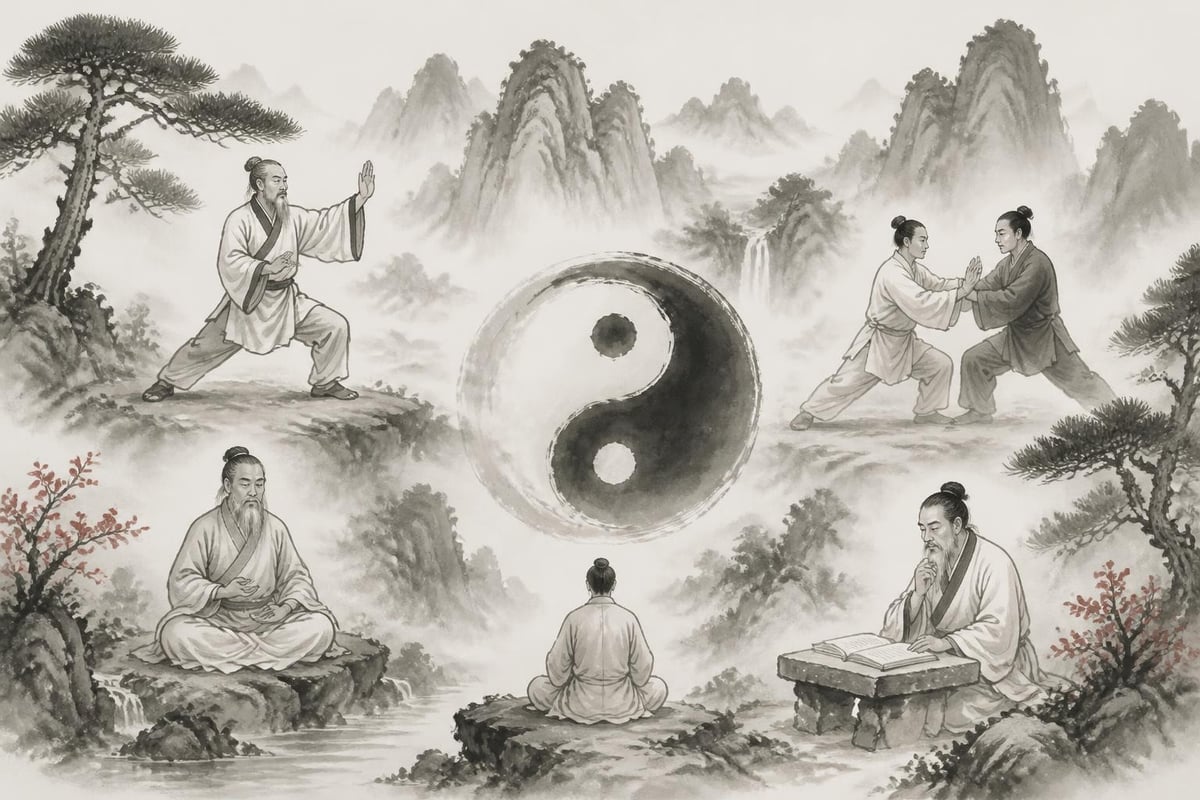
Understanding whether is tai chi a martial art affects how you practise and what you gain from training. The answer shapes your approach, expectations, and long-term development.
If you view tai chi purely as gentle exercise, you might practise casually without attention to precise alignment or energetic principles. You'll still gain some benefits, but you'll miss the practice's deeper dimensions.
Recognising the martial roots helps you understand why details matter. The exact angle of your wrist in a posture isn't arbitrary; it protects your structure while positioning for a strike. The weight distribution isn't just about balance; it creates the foundation for throwing or resisting force.
Practical Implications for Your Practice
When you practise with martial awareness, even if self-defence isn't your goal, you engage more completely. You understand that softness doesn't mean weakness. Slowness in practice develops speed in application. Relaxation creates power rather than diminishing it.
This knowledge transforms your relationship with the movements. You're not just following a choreographed sequence; you're training skills that have proven effective across centuries. That understanding deepens commitment and focus.
The question "is tai chi a martial art" ultimately asks: does this practice maintain connection to its warrior origins, or has it become something else entirely? The answer depends on your teacher, your lineage, and your approach. Authentic schools preserve both the martial integrity and the wellness applications, allowing students to explore the full art.
The Integration of Combat and Wellness
The most profound answer to whether is tai chi a martial art recognises that the apparent contradiction dissolves with deeper understanding. Combat effectiveness and health cultivation spring from the same source.
Tai chi's martial principles include maintaining structure under pressure, moving with whole-body integration, and responding without tension. These same qualities improve balance, reduce stress, and enhance vitality. The warrior's training becomes the healer's practice without losing coherence.
Traditional Chinese culture didn't separate these domains as modern Western thinking does. A healthy, balanced person fights more effectively. Martial training builds the robust health needed for long life. The practices reinforced each other.
Where martial and wellness meet:
- Rooting develops both fighting stability and fall prevention
- Relaxation creates both combat power and stress reduction
- Body awareness enables both self-defence and injury prevention
- Breath control supports both endurance and calm
- Mental focus serves both strategic response and meditation
When you practise tai chi with this integrated understanding, you access benefits that fragmented approaches miss. Your health practice contains martial wisdom. Your martial training cultivates wellness. They're different expressions of the same principles.
Modern Applications and Relevance
Today, tai chi's relevance extends far beyond traditional martial arts schools or retirement community classes. The practice addresses modern challenges: sedentary lifestyles, chronic stress, disconnection from the body, and the search for meaning.
The martial foundation gives tai chi structure and coherence that purely invented exercise systems lack. Centuries of refinement through actual combat testing created movements that work with human biomechanics thoughtfully. You're not following a fitness trend; you're engaging with time-tested wisdom.
Who Benefits from Tai Chi Today
Athletes use tai chi to develop better body control and reduce injury. Office workers counter the effects of prolonged sitting. Older adults maintain independence through improved balance. People managing stress find mental calm. Everyone can benefit because the practice scales to individual needs and abilities.
The question of is tai chi a martial art matters less than recognising it as a complete system for human development. The martial aspect ensures the practice remains grounded in practical reality rather than abstract theory. You're training skills with clear, testable applications even when health is your primary goal.
Those interested in exploring these principles within authentic Wudang lineage can discover how traditional practices address contemporary needs through our Taoist Wellness Academy Online, where ancient wisdom meets modern accessibility.
Finding Your Path in Tai Chi
Your journey with tai chi might emphasise different aspects at different times. Some months you might focus intensely on applications and martial understanding. Other periods might centre on meditation and inner quiet. The practice accommodates this natural variation.
What matters is maintaining connection to the complete art rather than settling for fragments. Even if you never use tai chi in physical confrontation, understanding the martial content enriches your practice immeasurably. It explains why movements flow in specific sequences, why weight shifts occur at precise moments, and why relaxation matters so much.
The integration of martial and wellness aspects creates a practice that serves you across your lifespan, adapting to changing needs while maintaining coherent principles. This wholeness distinguishes authentic tai chi from simplified derivatives that extract only fitness movements or only fighting techniques.
Tai chi emerged as a complete martial art and evolved to serve broader wellness purposes without losing its combat foundation. The practice offers different entry points, whether you seek self-defence skills, better health, or spiritual cultivation, but authentic instruction maintains the integration that makes tai chi uniquely effective. Taoist Wellness Online provides access to this complete tradition through Master Gu's Wudang lineage, offering courses that honour both the martial heritage and modern wellness applications, supported by a global community of practitioners exploring these ancient practices together.