Beginner Tai Chi Routine: Your Complete Guide
Aug 24, 2026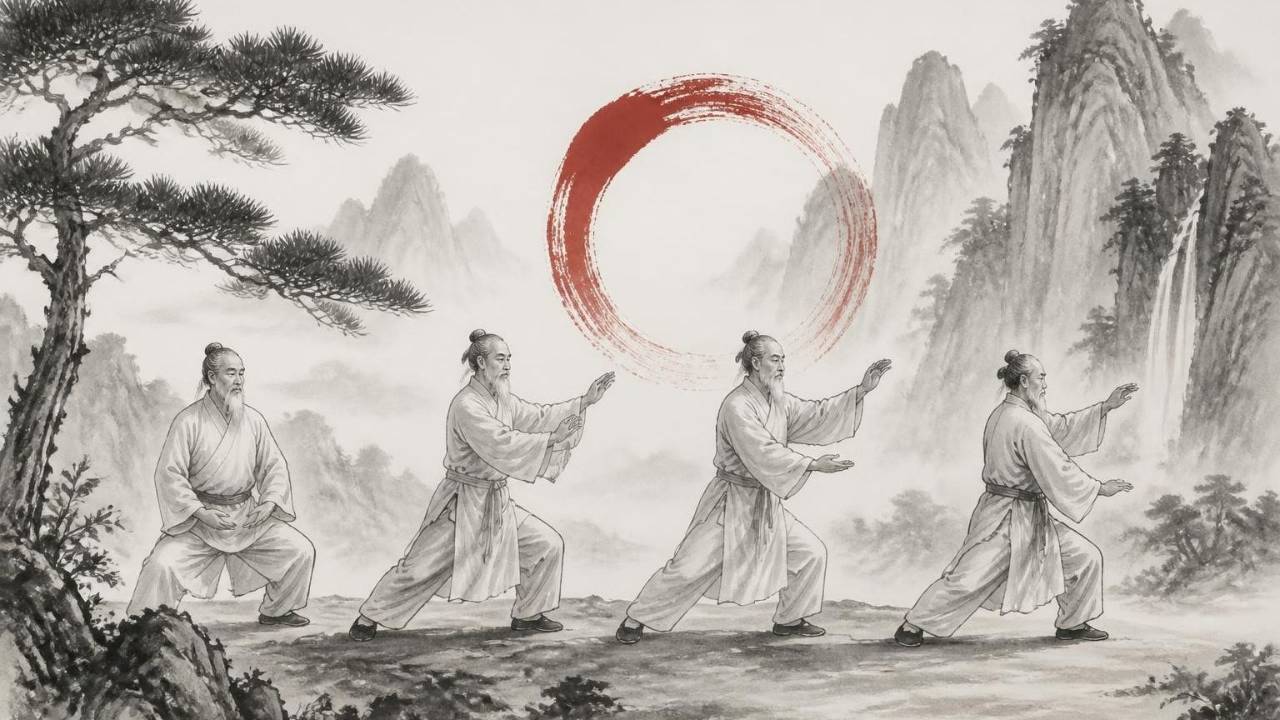
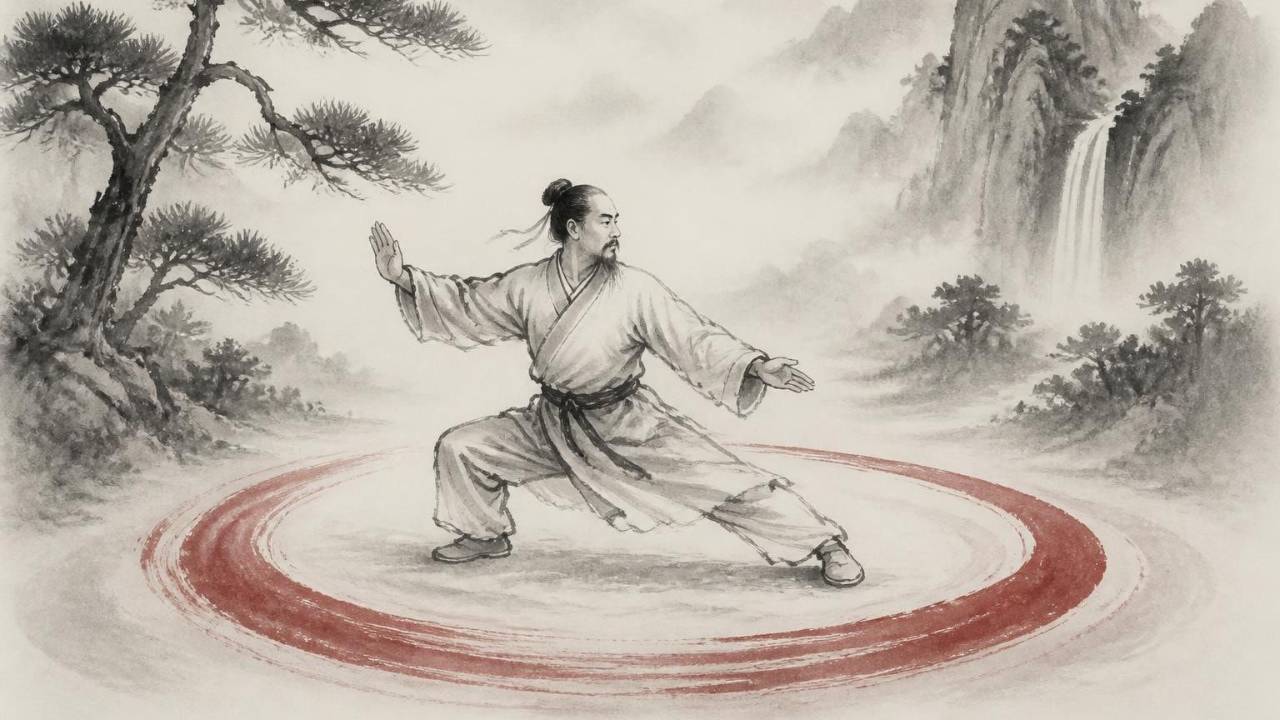
Starting a beginner tai chi routine can feel like opening a door to something profound yet surprisingly gentle. You don't need special equipment, exceptional flexibility, or hours of free time. What you need is willingness to move slowly, breathe deeply, and trust that simple movements practised with attention can transform how you feel in your body and mind. Tai Chi offers a path to balance and vitality that welcomes everyone, regardless of age or fitness level.
Why Start a Beginner Tai Chi Routine
When you begin practising Tai Chi, you're not just learning movements. You're cultivating a relationship with your own energy, your breath, and the natural rhythms that support wellbeing.
The benefits reach far beyond what you might expect from gentle exercise. Research shows that Tai Chi improves balance, reduces stress, and supports cardiovascular health. But the practice offers something deeper: a way to reconnect with yourself in a world that constantly pulls your attention outward.
Physical Benefits That Build Over Time
A consistent beginner tai chi routine strengthens your legs, improves your posture, and enhances coordination. The slow, controlled movements:
- Build muscle endurance without strain
- Increase flexibility in hips, shoulders, and spine
- Improve balance and spatial awareness
- Support joint health through gentle, full-range motion
These changes happen gradually. You might notice after a few weeks that standing feels easier, or that you move through your day with less tension in your shoulders.
Mental and Emotional Clarity
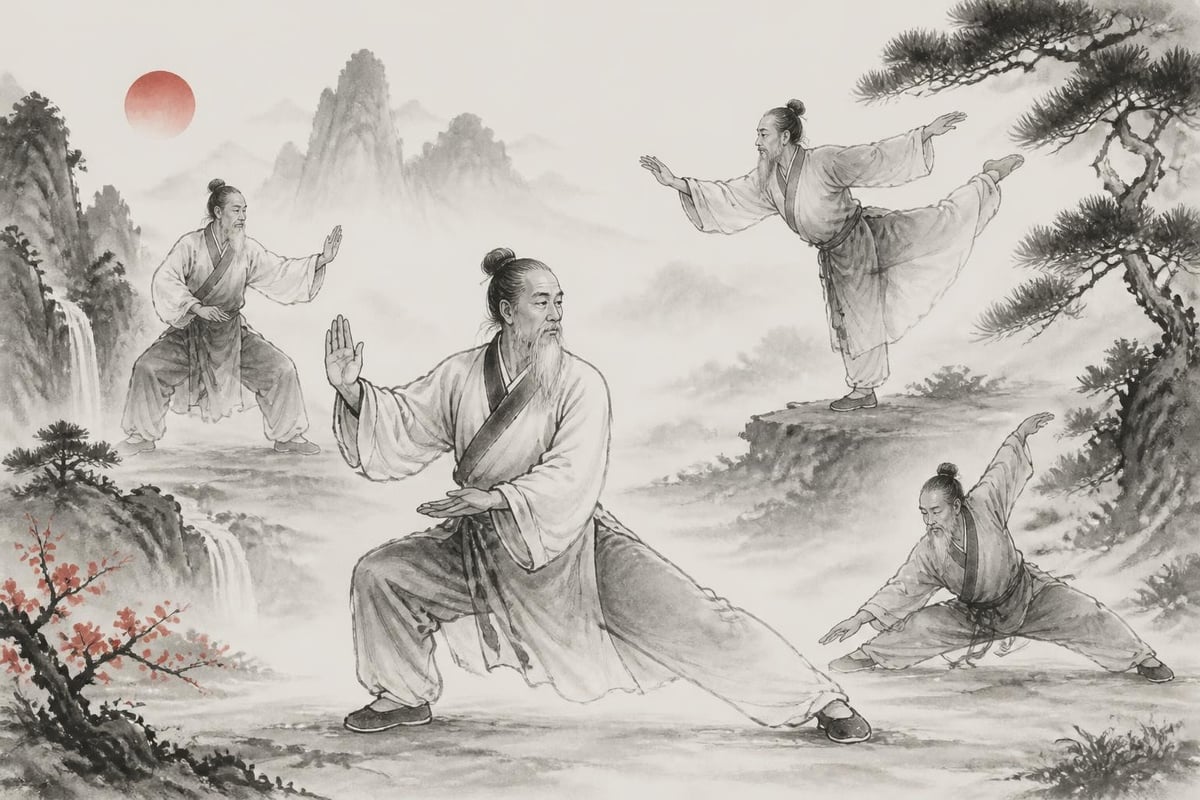
The mental benefits often surprise newcomers. Moving meditation quiets the constant mental chatter that drains your energy. When you focus on shifting your weight, coordinating breath with movement, and maintaining awareness, there's no room left for worry about tomorrow or regret about yesterday.
This present-moment awareness carries into the rest of your life. Many practitioners report better sleep, reduced anxiety, and an increased sense of calm even in challenging situations.
George's video below is perfect for exactly this kind of low-key starting point, a gentle Tai Chi practice for the mornings you don't feel like doing a full routine.
Essential Elements of Every Beginner Tai Chi Routine
Before you learn specific movements, understanding the foundational principles helps everything else make sense. These elements appear in every form, every movement, every moment of practice.
Stance and Rooting
Your connection to the ground matters more than you might think. Rooting means settling your weight down through your legs and feet, creating stability from which all movement flows.
In a basic Wudang stance:
- Stand with feet shoulder-width apart
- Soften your knees slightly (never locked)
- Let your weight sink down through your legs
- Feel your feet spread and connect with the floor
- Relax your shoulders and lengthen your spine
This grounded feeling becomes the foundation for everything else. As our Tai Chi course teaches, authentic Wudang forms emphasise this connection to earth energy.
Breath Coordination
Natural breathing supports movement, and movement supports breath. You're not forcing or controlling, just allowing breath and motion to flow together.
| Breathing Pattern | Movement Phase | Purpose |
|---|---|---|
| Inhale | Rising, opening, expanding | Gather energy, create space |
| Exhale | Sinking, closing, releasing | Release tension, settle energy |
| Natural pause | Transition between movements | Allow integration |
Weight Shifting and Flow
Tai Chi is constant change. You're always moving from one leg to the other, from empty to full, from yin to yang. A beginner tai chi routine teaches you to shift weight smoothly and completely, which improves balance and creates the characteristic flowing quality.
Building Your First Beginner Tai Chi Routine
Starting with a simple, repeatable sequence lets you focus on quality rather than quantity. This routine takes about 10-15 minutes and includes fundamental Wudang movements.
Warm-Up Movements (3-5 minutes)
Begin by waking up your body gently. These aren't stretches you hold, but flowing movements that prepare your joints and circulation.
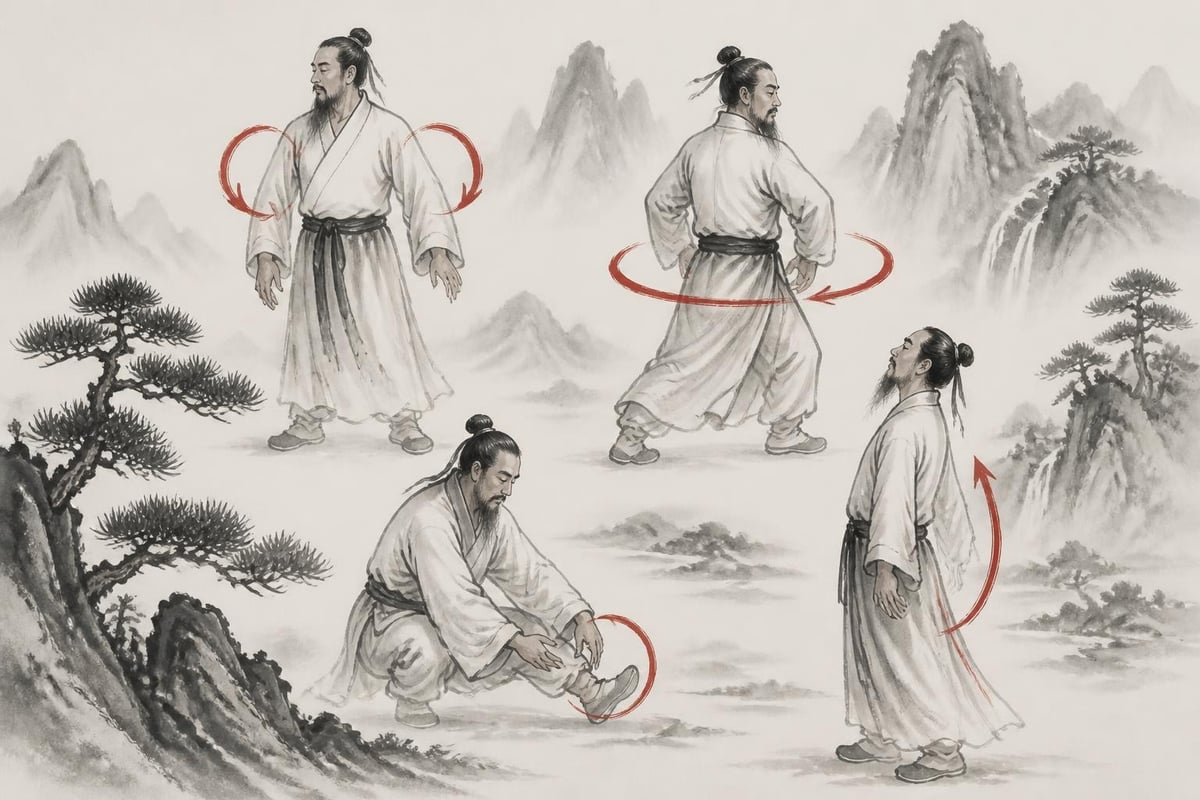
Shoulder circles: Roll shoulders backward slowly, five times. Then forward, five times. Feel the shoulder blades moving freely.
Hip circles: Place hands on hips and make slow circles with your pelvis. Five in each direction, allowing your spine to move naturally.
Ankle rotations: Lift one foot slightly and rotate the ankle. Five circles each direction, then switch feet.
Spine waves: Let your spine undulate gently, starting from your tailbone and moving up through your neck. This isn't a dramatic movement, just a soft wave.
Core Sequence for Beginners (8-10 minutes)
This sequence introduces essential movements that appear throughout Tai Chi practice. Move slowly, matching breath to motion, and don't worry about perfection.
Opening Movement
Stand in your basic stance, arms relaxed at your sides. As you inhale, slowly raise your arms forward to shoulder height, palms facing down. Fingers soft, elbows slightly bent. As you exhale, sink your knees a bit more and gently press your palms down, lowering your arms. Repeat three times.
Parting the Wild Horse's Mane
This movement teaches weight shifting and coordination. Starting with weight on your right leg:
- Turn your waist slightly left, gathering arms as if holding a ball
- Step forward with your left foot, keeping weight back
- Shift weight forward onto left leg as left arm rises and right arm lowers
- Complete the shift, settling into the position with 70% weight forward
- Return and repeat on the opposite side
Alternate sides for six total repetitions (three each side).
Wave Hands Like Clouds
This side-to-side movement develops smooth weight transfer and waist rotation. Your arms move in horizontal circles while your legs shift weight continuously from left to right.
The challenge isn't the arm pattern, but keeping your movements smooth and your mind focused. Start with just the leg work, then add arms once weight shifting feels natural.
Cool-Down and Integration (2-3 minutes)
End your beginner tai chi routine by gathering and settling the energy you've cultivated.
Closing Movement: Return to your opening stance. Bring hands to your lower abdomen, one palm over the other. Stand quietly, breathing naturally, for one minute. Notice how you feel.
Gentle stretching: Simple, soft stretches for any areas that feel tight. Nothing forceful, just kind attention to your body.
Creating Consistency in Your Practice
The most important aspect of a beginner tai chi routine isn't how perfectly you perform the movements. It's showing up regularly, even when you don't feel like it, even when progress feels invisible.
Realistic Time Commitments
| Practice Duration | Frequency | Best For |
|---|---|---|
| 10 minutes | Daily | Building habit, maintaining momentum |
| 20-30 minutes | 4-5 times weekly | Steady progress, deeper learning |
| 45-60 minutes | 2-3 times weekly | Intensive practice, form refinement |
Start where you can sustain the practice. Ten minutes daily creates more transformation than an hour once a week.
Common Beginner Challenges and Solutions
"I can't remember the sequence." This is completely normal. Write down the movement names, or practise the same three movements for a week before adding more. Repetition builds memory.
"My legs get tired quickly." Your stance might be too low. Keep knees softly bent but not deeply squatted. Strength builds gradually.
"I feel self-conscious." Practise where you feel comfortable. Early morning, in your bedroom, with the door closed. As confidence grows, so will your willingness to practise anywhere.
"Nothing seems to be happening." Changes accumulate quietly. Keep a simple journal noting how you feel before and after practice. You'll see patterns emerge. Our piece on 9 Tai Chi Tips for Beginners covers several more of these common early hurdles.
If you're looking for structured guidance to build your practice, our free Taoist course offers simple Tai Chi, Qi Gong, Meditation, and Taoist Wisdom practices with Master Gu, helping you establish a calmer, more energised daily routine.
Deepening Your Understanding
As your beginner tai chi routine becomes comfortable, curiosity naturally grows. You want to understand not just what you're doing, but why.
The Philosophy Behind the Movements
Wudang Tai Chi emerged from Taoist principles of harmony, natural flow, and the dance between opposing forces. Every movement reflects these ideas:
- Yin and yang: Empty and full, soft and firm, yielding and expressing
- Wu wei: Effortless action, not forcing but allowing
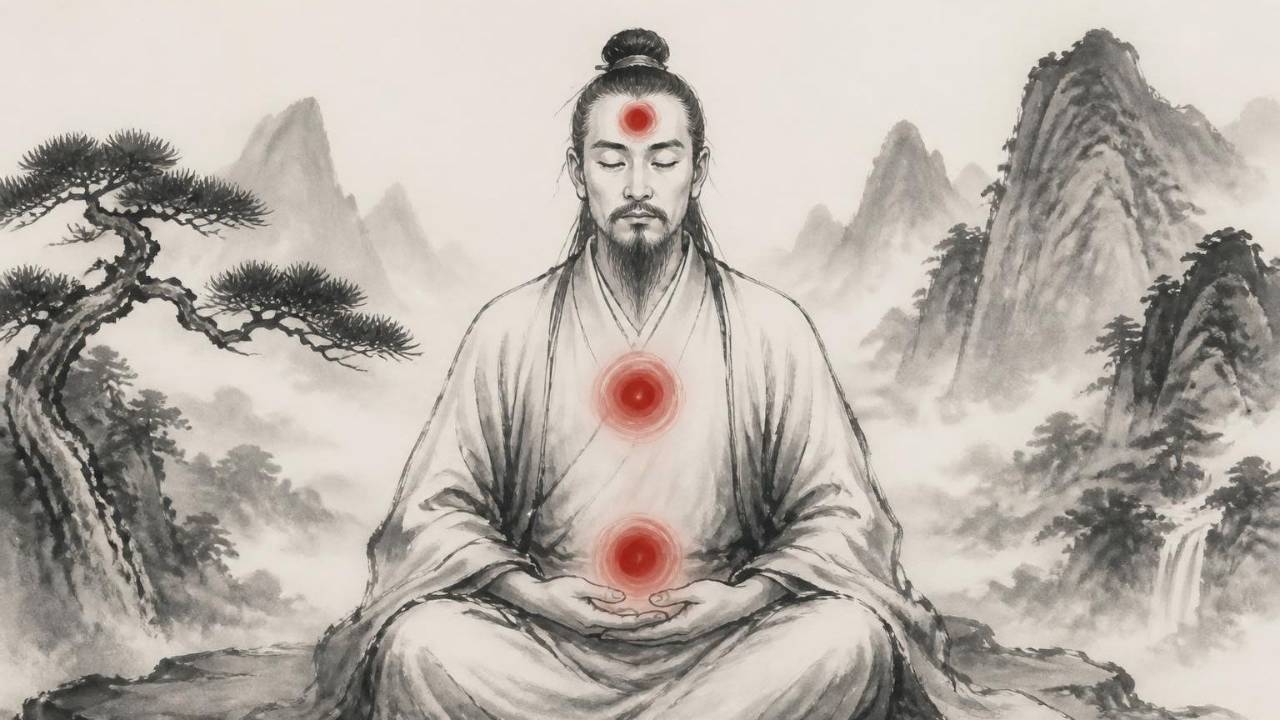
- Qi cultivation: Working with life energy rather than just muscles
Understanding these concepts doesn't require scholarly study. The movements themselves teach you, if you practise with attention and patience. Our Taoist Philosophy course can help deepen your understanding of these foundational principles.
Learning Authentic Forms
Authentic Wudang forms carry centuries of refinement. They're not just exercise routines but complete systems for cultivating health, balance, and awareness.
When you're ready to go deeper, learning a traditional form gives you a rich practice that can sustain you for years. Our article on Tai Chi for Beginners Free: Your Complete Start Guide walks through this next stage in more detail. The movements build on each other, creating a flowing sequence that becomes moving meditation.
Adapting Practice to Your Needs
Your beginner tai chi routine should serve you, not the other way around. Adapt movements to match your current capacity while respecting the principles.
Modifications for Different Bodies
Limited mobility: Many movements can be done seated or with reduced range of motion. The internal aspects, breath, attention, weight shifting, matter more than external appearance.
Balance concerns: Practise near a wall or sturdy chair. Touch lightly for security while you build confidence and strength.
Time constraints: Even five minutes of mindful movement helps. Do your opening and closing, plus one or two core movements.
If you have an existing health condition or injury, it's always worth checking with a healthcare professional before starting any new movement practice.
Seasonal and Daily Variations
Morning practice energises and sets intention for your day. Evening practice releases accumulated tension and prepares for rest. You might find your beginner tai chi routine naturally shifts based on what you need.
Connecting With Community and Teachers
Learning Tai Chi from video or written instructions gets you started, but connection with experienced practitioners accelerates your growth and keeps you inspired.
Finding Guidance
Working with a qualified teacher helps you refine movements, correct habits before they become ingrained, and understand subtleties that don't translate to text or video. Our community connects students worldwide with Master Gu's authentic Wudang teachings.
Practice Partners and Groups
Practising with others creates accountability and shared energy. You notice things in their movements that help you understand your own. Questions they ask spark insights you hadn't considered.
Tracking Progress Without Pressure
Growth in Tai Chi often happens in ways that numbers can't measure. But noticing change helps maintain motivation and reveals patterns.
What to Notice
Rather than tracking how low your stance is or how many movements you've learned, notice:
- How you feel before and after practice
- Changes in daily activities (climbing stairs, reaching overhead)
- Sleep quality and energy levels throughout the day
- Your response to stress or unexpected challenges
- Body awareness and ability to release tension
These markers reveal real transformation. A beginner tai chi routine isn't about performance. It's about coming home to yourself, again and again.
Setting Gentle Intentions
Instead of rigid goals, set gentle intentions: "I'll practise most mornings this week" or "I'll focus on breathing smoothly this month." This approach creates space for genuine learning rather than achievement pressure.
Integrating Tai Chi Into Daily Life
Eventually, Tai Chi becomes more than a routine you do. It becomes a way you move through life. The principles show up when you're washing dishes, walking to your car, or standing in line at the grocery store.
You notice tension and release it. You shift your weight to find better balance. You breathe more fully. You move with greater ease and less force.
This integration happens naturally when your beginner tai chi routine becomes a sustainable practice rather than another thing on your to-do list. Start small, stay consistent, and trust the process.
The movements themselves are simple. What makes them transformative is the quality of attention you bring and the patience you offer yourself while learning.
Starting a beginner tai chi routine opens a lifelong journey of discovery, balance, and vitality that unfolds one mindful movement at a time. If you're ready to deepen your practice with authentic Wudang teachings, Taoist Wellness Online offers comprehensive courses in Tai Chi, Qi Gong, and Taoist practices guided by Master Gu, a 15th-generation San Feng Pai Wudang Taoist Master with over 25 years of expertise. Join a global community of practitioners and discover how ancient wisdom can transform your modern life.