Balanced Life: Ancient Wisdom for Modern Well-Being
Sep 16, 2026
Living a balanced life isn't about perfection or rigid schedules. It's about finding harmony between the different parts of your existence, creating space for what matters, and moving through each day with steadiness and presence. In our always-on culture, balance has become something we chase rather than cultivate. But ancient Taoist wisdom offers a different approach. Instead of forcing equilibrium, we can learn to flow with life's natural rhythms, building practices that support sustainable wellbeing. This isn't about adding more to your plate. It's about discovering what already works within you and clearing away what doesn't.
Understanding What a Balanced Life Really Means
A balanced life looks different for everyone. For some, it means equal time between work and rest. For others, it's about nurturing relationships while pursuing personal growth. The key is recognising that balance isn't a destination you reach once and maintain forever.
Attending to multiple areas of life with care and intention has been shown to measurably improve overall wellbeing. But here's what most people miss: balance isn't about splitting your time evenly. It's about giving each area of life the attention it needs, when it needs it.
The Taoist Perspective on Harmony
Taoist philosophy teaches that balance emerges from understanding opposites. Yin and yang aren't competing forces. They're complementary energies that create wholeness together. When we apply this wisdom to daily life, we stop trying to eliminate stress and start learning how to balance activity with rest, effort with ease, doing with being.
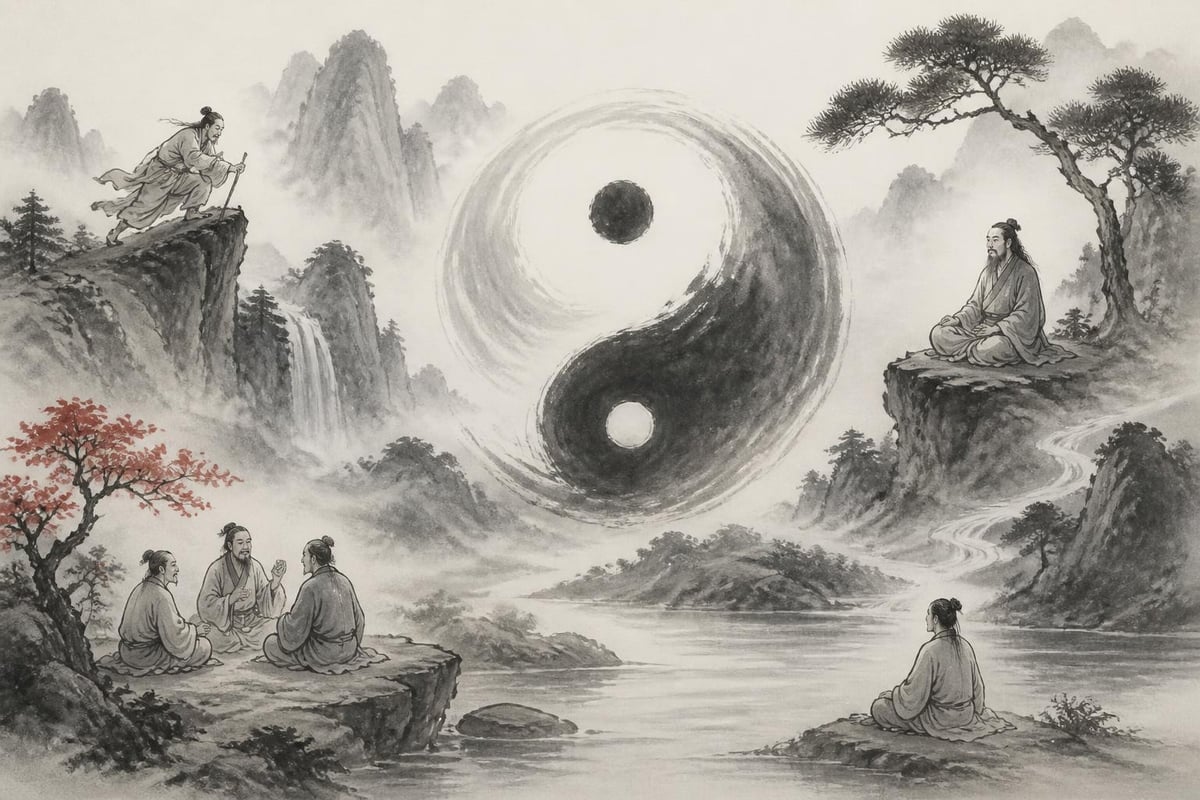
This ancient understanding sits well alongside modern thinking on wellbeing, which increasingly recognises it as a positive state shaped by multiple conditions working together. You can't address one area in isolation and expect lasting change.
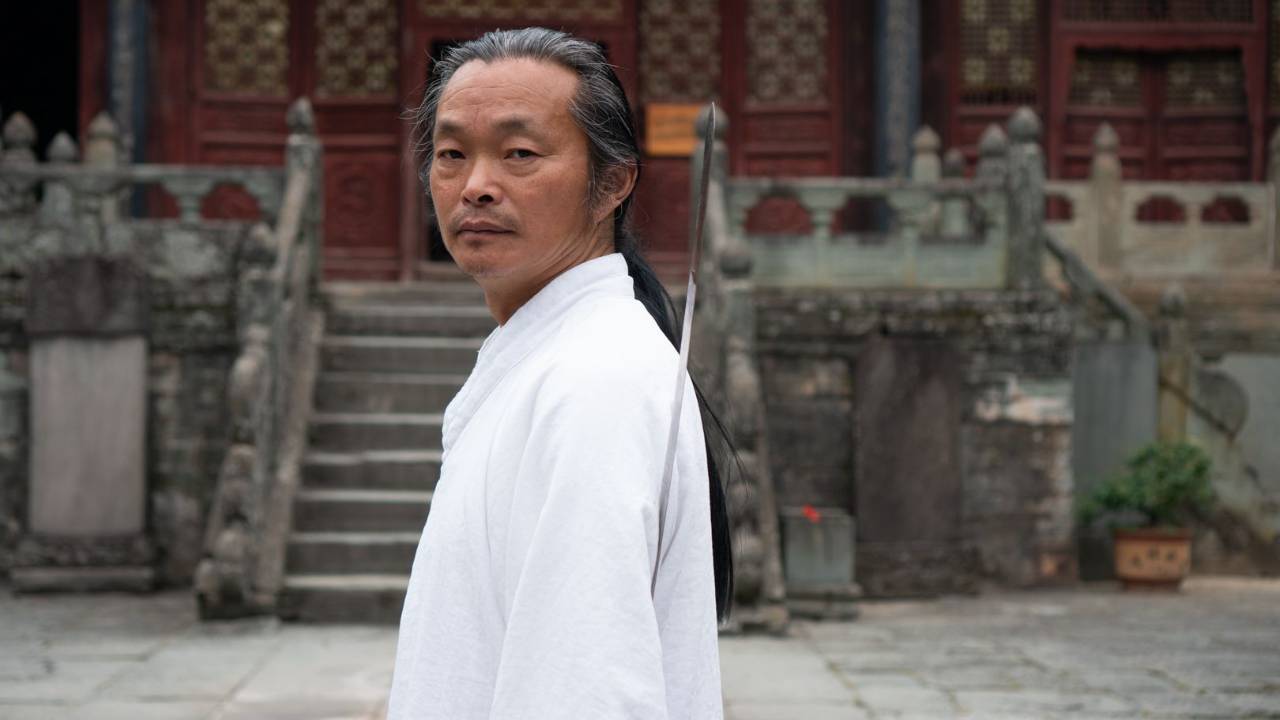
Master Gu shares four simple, practical tips for finding this kind of balance in the video below.
The Core Dimensions of a Balanced Life
Creating sustainable balance requires attention to several interconnected areas. Think of these as pillars supporting your overall wellbeing.
Physical Health and Vitality
- Movement that energises rather than depletes
- Rest and recovery that truly restore
- Nutrition that supports your energy needs
- Body awareness and self-care practices
Mental and Emotional Wellbeing
- Practices that calm the mind
- Healthy ways to process emotions
- Boundaries that protect your peace
- Time for reflection and inner work
Relationships and Community
- Meaningful connections with others
- Balance between giving and receiving
- Healthy communication patterns
- Shared activities and support systems
Purpose and Growth
- Work that aligns with your values
- Learning that expands your perspective
- Creative expression and exploration
- Contribution to something beyond yourself
| Life Domain | Signs of Balance | Signs of Imbalance |
|---|---|---|
| Physical | Steady energy, restorative sleep | Chronic fatigue, tension, illness |
| Mental | Clear focus, calm presence | Racing thoughts, anxiety, overwhelm |
| Emotional | Appropriate responses, resilience | Reactive patterns, numbness, volatility |
| Relational | Mutual support, honest communication | Isolation, codependency, conflict |
| Purpose | Engagement, growth, meaning | Emptiness, stagnation, burnout |
Each dimension affects the others. When your physical energy is depleted, your emotional resilience suffers. When relationships drain you, your mental clarity fades. This interconnection means small improvements in one area often create positive ripples elsewhere.
Building Daily Practices That Sustain Balance
The most effective practices are simple enough to maintain consistently. Grand gestures and dramatic changes rarely last. Instead, focus on small, sustainable habits that gradually shift your baseline state.
Morning Rituals That Set Your Foundation
How you begin each day shapes everything that follows. Instead of immediately checking your phone or rushing into demands, create a brief transition that centres you.
A simple morning sequence might include:
- Take five conscious breaths before getting out of bed
- Drink water to hydrate your system
- Move gently to wake your body
- Set an intention for the day
- Practise gratitude for three specific things
These steps take less than ten minutes but establish a calm, grounded starting point. Our Taoism and Health article explores how Traditional Chinese Medicine frames this kind of daily rhythm.
Movement as Medicine
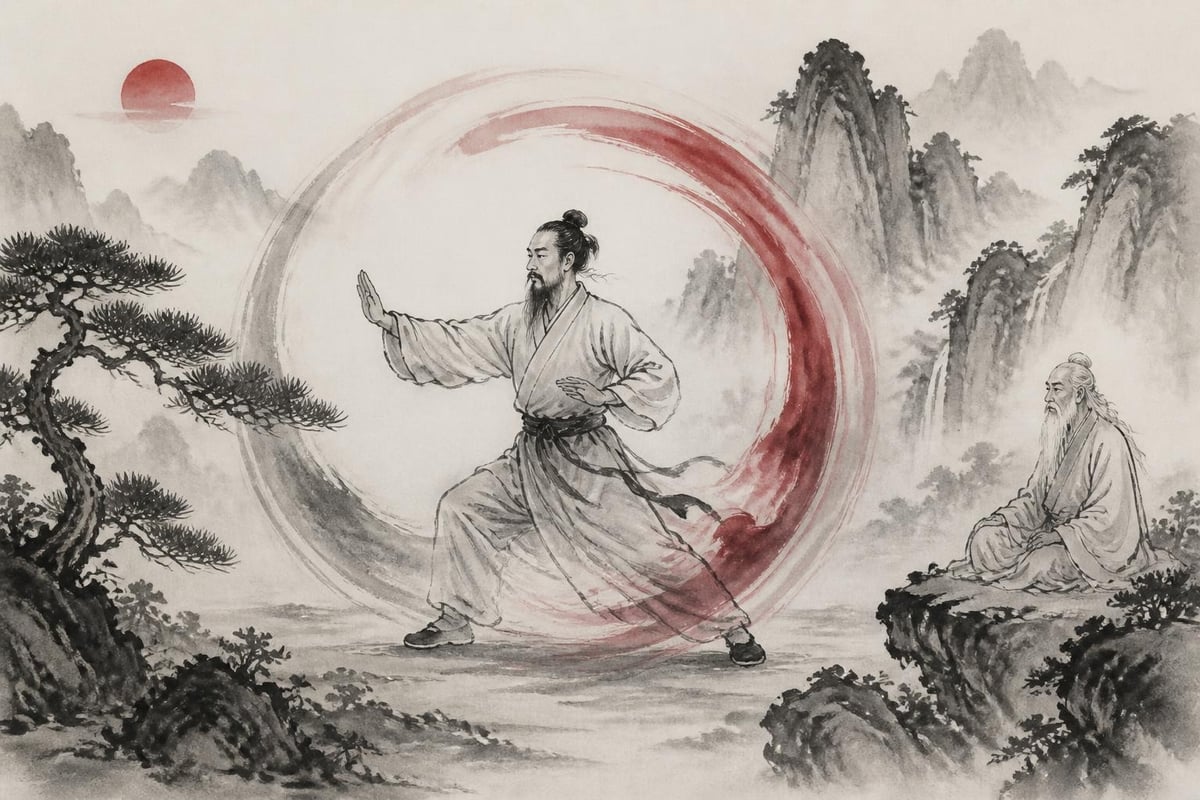
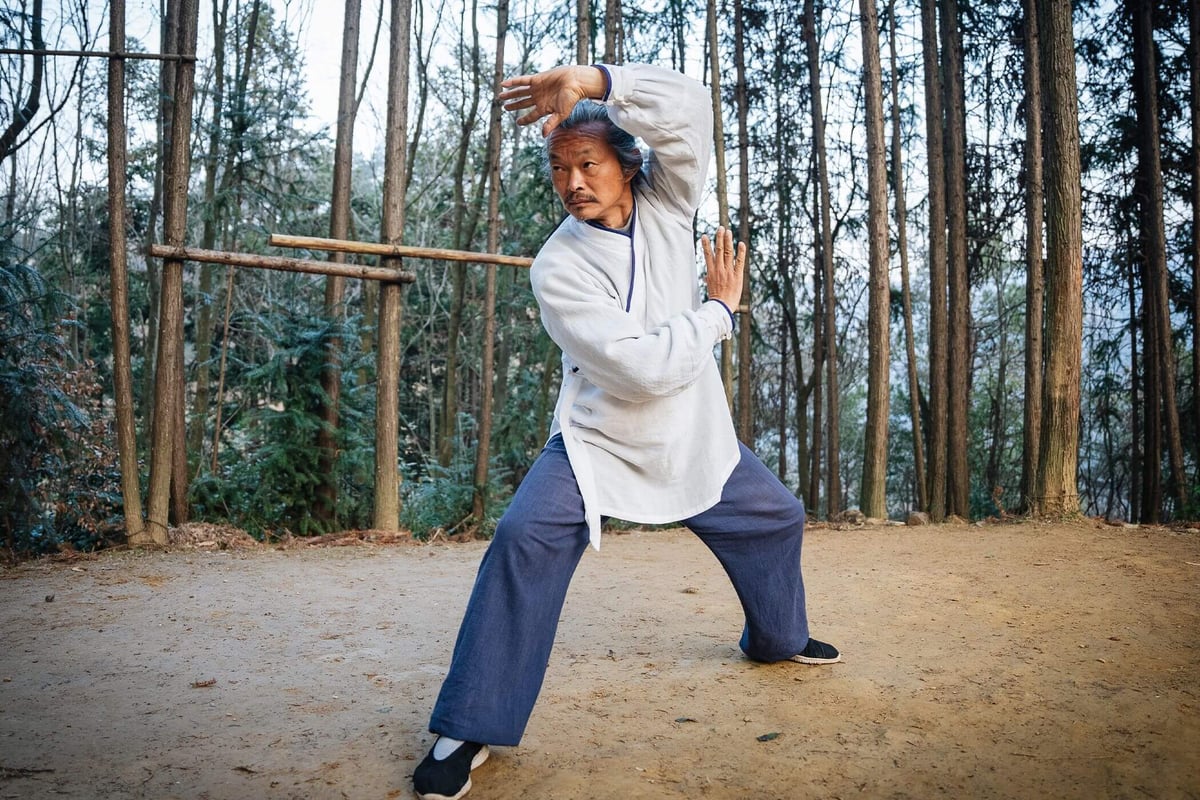
Physical practice isn't just about fitness. It's about cultivating energy, releasing tension, and connecting mind with body. Wudang Tai Chi and Qi Gong offer particularly effective approaches because they work with your internal energy rather than forcing external results. As with any new movement practice, it's worth checking with your healthcare provider first, particularly if you have existing health concerns.
Unlike high-intensity workouts that can leave you depleted, these practices actually generate vitality. The slow, deliberate movements calm your nervous system while building strength and flexibility. You finish feeling more energised than when you started.
Many students discover that our Tai Chi course becomes the anchor that keeps other areas of life steady. When everything feels chaotic, the familiar movements provide a refuge and reset point.
Creating Boundaries Around Your Energy
A balanced life requires protecting your resources. This means learning to say no to demands that don't serve your wellbeing, even when saying yes feels easier in the moment.
Consider where your energy actually goes:
- Activities that drain you without meaningful return
- Relationships that feel one-sided or depleting
- Commitments you maintain out of obligation
- Digital habits that fragment your attention
Releasing even one or two energy drains creates surprising space for what matters. You don't need to fill every moment. Sometimes the most balanced choice is simply stopping what isn't working.
Navigating Transitions and Challenges
Life rarely stays stable for long. Jobs change, relationships evolve, health issues emerge, responsibilities shift. A balanced life isn't one without challenges. It's one where you have practices and perspectives that help you navigate change without losing your centre.
Staying Grounded During Uncertainty
When circumstances feel unstable, your practice becomes even more important. This is exactly when people tend to abandon their routines, thinking they don't have time or energy. But that's precisely backward.
Maintaining even abbreviated versions of your core practices provides continuity and stability when everything else shifts. Five minutes of Qi Gong grounds you more than scrolling for an hour trying to distract yourself from stress.
Our Taoist meditation course offers specific techniques for calming the mind during turbulent periods. These aren't escapes from reality. They're ways to process experience without becoming overwhelmed by it.
Recognising When You're Off Balance
Sometimes imbalance creeps in gradually. You don't notice you're depleted until you're running on empty. Learning to recognise early warning signs helps you course-correct before things become critical.
Common signals include:
- Feeling constantly rushed even with adequate time
- Irritability or emotional reactivity that's out of proportion
- Physical symptoms like tension, headaches, or digestive issues
- Loss of interest in activities you usually enjoy
- Difficulty making simple decisions
When you notice these patterns, it's time to simplify and return to basics. You don't need a complete life overhaul. You need to reconnect with practices that restore you.
Integrating Ancient Wisdom Into Modern Life
You don't have to choose between traditional practices and contemporary life. The beauty of Taoist wisdom is how naturally it adapts to any context or circumstance. Our article Taoist Philosophy and the Art of Living goes further into these key concepts if you'd like to explore them in more depth.
The Value of Lineage and Authentic Teaching
While you can learn basic concepts from books or videos, working with an experienced teacher accelerates your understanding and helps you avoid common pitfalls. Master Gu brings authentic Wudang lineage to online learning, making genuine traditional practices accessible regardless of where you live.
This matters because these aren't just exercises. They're complete systems developed over centuries to address exactly the challenges we face: stress, disconnection, depletion, and the search for meaning. Having guidance from someone who embodies these teachings helps you go deeper than surface-level practice.
For those ready to explore these practices, our free Taoist course is a gentle first step, covering Tai Chi, Qi Gong, Meditation, and Taoist Wisdom before you decide whether to go further.
Building Community Around Shared Practice
One often-overlooked aspect of a balanced life is connection with others walking a similar path. When you practise alone, it's easy to drift or lose motivation. When you're part of a supportive community, your practice deepens through shared learning and mutual encouragement.
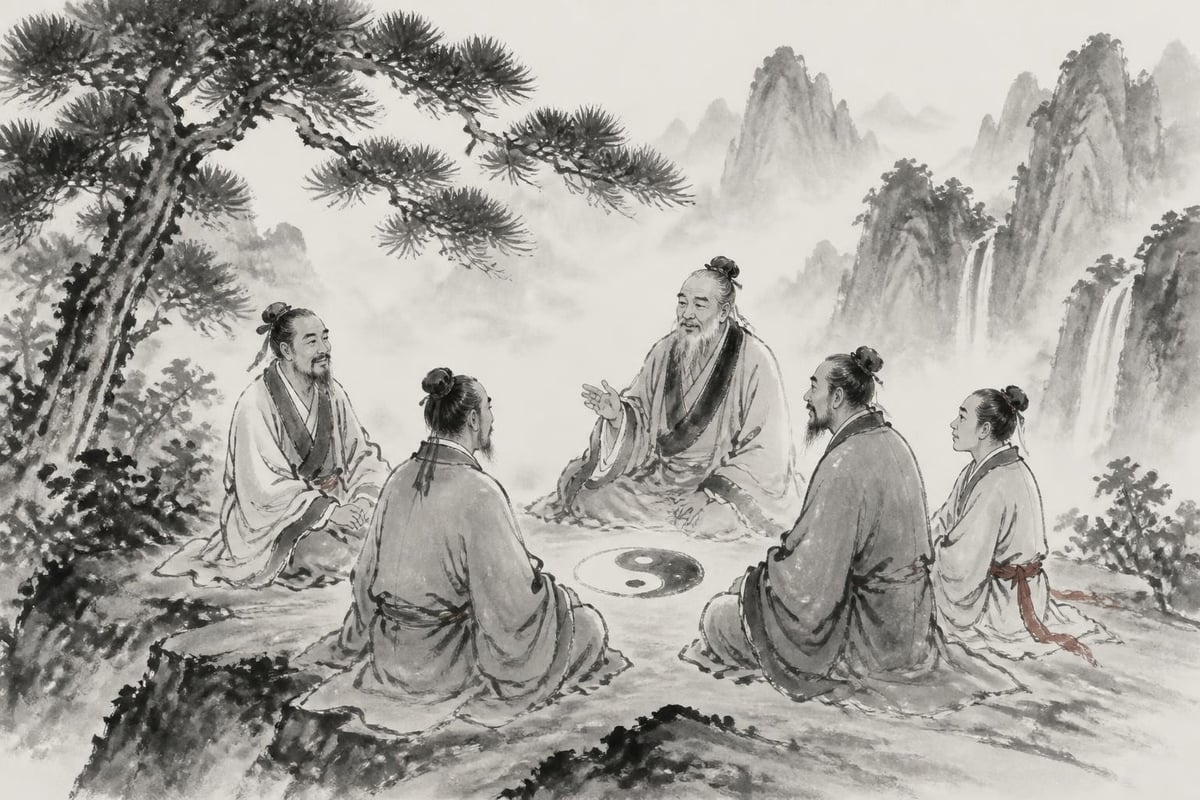
The collective energy of group practice amplifies individual effort. You learn from others' questions, celebrate their breakthroughs, and receive support during your own challenges. This social dimension of wellbeing is essential, not optional.
Practical Steps to Begin Your Journey
Creating a balanced life starts with honest assessment and small, deliberate actions. You don't need to transform everything at once.
Week One: Observe Without Judgement
Spend the first week simply noticing your current patterns:
- What time do you wake and sleep?
- When do you feel most energised? Most depleted?
- Which activities genuinely restore you?
- Where do you feel tension in your body?
- What thoughts occupy your mind most often?
Write brief notes each evening. Don't try to change anything yet. Just develop awareness of your actual experience versus your assumptions about your life.
Week Two: Introduce One Core Practice
Choose a single practice to establish:
- Ten minutes of morning Qi Gong
- Evening reflection and gratitude
- Mindful breathing during transitions
- A daily walk in nature
Commit to this one practice for at least two weeks before adding anything else. Consistency matters more than intensity.
Week Three: Assess and Adjust
Notice what's shifted after two weeks of consistent practice. Has your sleep improved? Your mood? Your energy? Use what you learn to refine your approach.
This gradual process builds sustainable change rather than temporary enthusiasm that fades when life gets busy.
Making Balance Sustainable Over Time
The real work isn't starting new practices. It's maintaining them through seasons of life when they feel difficult or inconvenient.
Adapting Your Practice to Life's Seasons
Your needs change throughout the year and across different life phases. A balanced approach recognises this and adjusts accordingly.
During high-stress periods, simplify to your absolute essentials. During calmer seasons, explore and deepen. Neither is better. Both are necessary.
| Season of Life | Practice Focus | Common Challenges | Adaptive Strategies |
|---|---|---|---|
| High Demand | Stress management, basic self-care | Time scarcity, fatigue | Shorter practices, morning priority |
| Transition | Grounding, presence | Uncertainty, resistance | Familiar routines, extra support |
| Growth | Exploration, deepening | Overextension, impatience | Clear boundaries, steady pace |
| Integration | Refinement, consistency | Complacency, distraction | Fresh challenges, community |
The goal isn't maintaining the same routine forever. It's developing enough flexibility to adjust while keeping your core commitments intact.
Measuring What Matters
Unlike weight loss or fitness goals with clear metrics, a balanced life is harder to quantify. But you can track meaningful indicators:
- How often do you feel genuinely rested?
- Can you be present during conversations without mental distraction?
- Do you have energy for what matters at day's end?
- Are you moving toward your values or away from them?
- Do you feel more resilient when challenges arise?
These qualitative measures reveal more about true balance than any spreadsheet could capture.
The Role of Rest and Restoration
Our culture glorifies constant productivity, treating rest as laziness or indulgence. But Taoist wisdom recognises that true strength comes from knowing when to act and when to be still.
Active Rest Versus Passive Recovery
Not all rest restores equally. Scrolling social media might feel relaxing but often leaves you more depleted. True restoration requires activities that genuinely replenish your energy.
Restorative practices include:
- Gentle movement like our Qi Gong course or walking
- Time in nature without agenda or devices
- Creative activities without performance pressure
- Meditation and conscious breathing
- Meaningful conversation with trusted friends
Notice which activities actually restore you versus which ones simply distract from depletion.
The Permission to Do Nothing
Sometimes the most balanced choice is complete stillness. No practice, no productivity, no self-improvement. Just being.
This feels uncomfortable for most people. We've been conditioned to always be doing something. But allowing yourself periods of genuine rest, without guilt or justification, is essential for long-term sustainability.
Building a balanced life is an ongoing practice, not a problem you solve once and forget. By integrating movement, meditation, community, and ancient wisdom into your daily rhythm, you create sustainable wellbeing that adapts to life's inevitable changes. If you're ready to explore these practices with authentic guidance and supportive community, Taoist Wellness Online offers comprehensive training in Wudang Tai Chi, Qi Gong, and Taoist philosophy under Master Gu's expert instruction. Start where you are, practise with patience, and trust the process of gradual transformation.