Tao Te Ching Translations: Finding the Right Version
Aug 27, 2026
The Tao Te Ching stands as one of humanity's most translated texts, yet choosing among the many tao te ching translations available today can feel overwhelming. Each translator brings their own lens to Lao Tzu's ancient verses, shaping how we understand wu wei, the nature of Tao, and the principles that guide balanced living. For those exploring Taoist practices like Tai Chi and Qi Gong, finding the right translation becomes more than an academic exercise. It's a doorway into the philosophy that animates every movement, every breath, and every moment of stillness in your practice.
Why Translation Matters for Your Practice
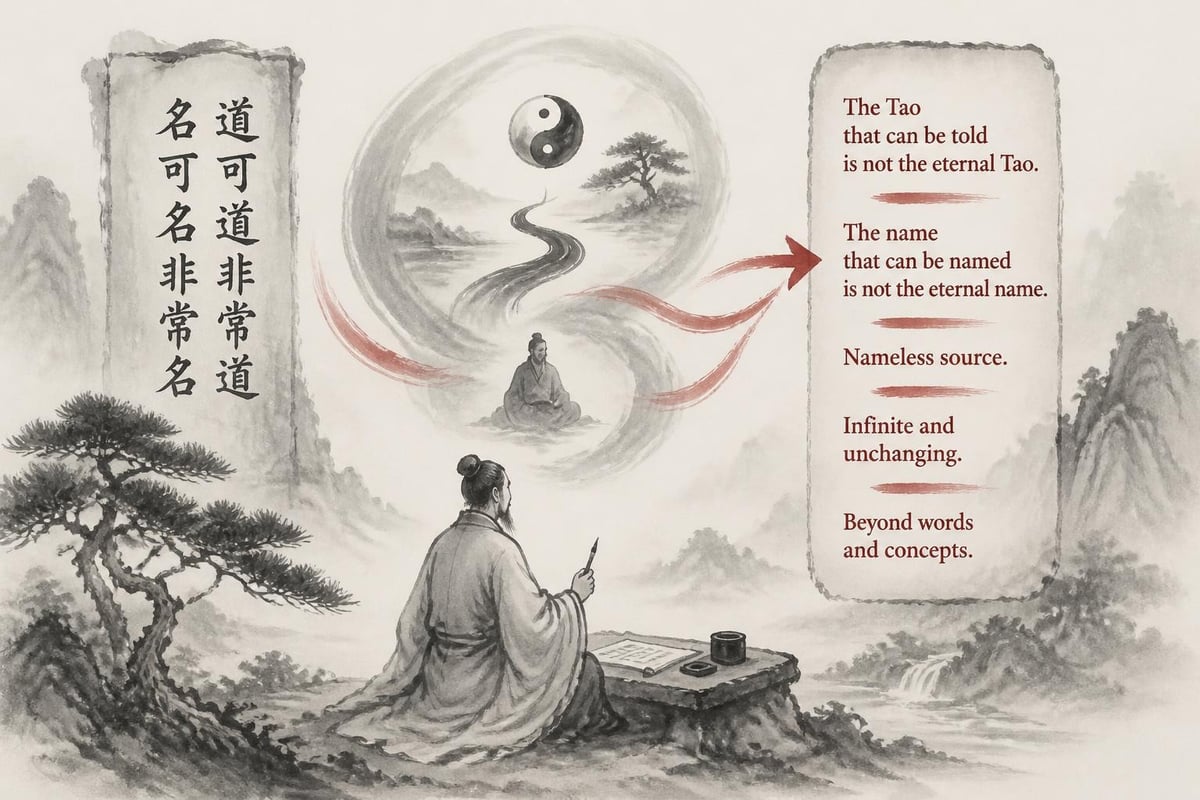
The Tao Te Ching wasn't written in paragraphs or chapters as we know them today. Composed in classical Chinese around the 6th century BCE, it uses a poetic, condensed language where single characters carry layers of meaning. This creates a unique challenge for translators.
When you compare different tao te ching translations, you'll notice:
- Word choices that dramatically shift the text's tone from mystical to practical
- Varying interpretations of key concepts like "Tao," "Te," and "wu wei"
- Different organisational approaches to the 81 chapters
- Cultural contexts that influence how ideas are presented
Understanding these differences helps you choose a translation that resonates with your current journey. Someone beginning our Tai Chi course might need different language than someone exploring advanced meditation techniques.
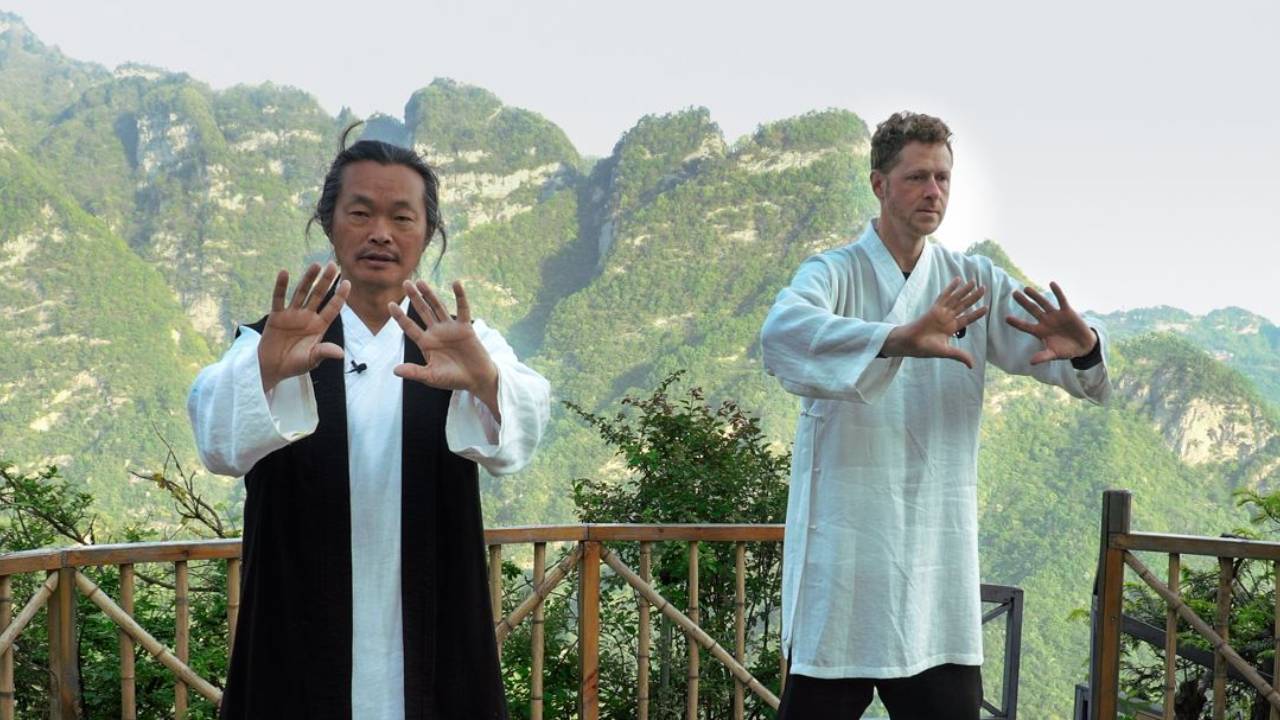
George offers a lovely exploration of the opening chapter in the video below, well worth watching alongside this piece.
The Core Challenge of Ancient Chinese
Classical Chinese operates without tenses, articles, or clear subject-verb relationships. A single character might function as noun, verb, or adjective depending on context. This flexibility gave ancient Chinese poets incredible power, but it also means translators must make interpretive choices at nearly every turn.
Modern scholars continue to debate fundamental questions about the text's original meaning, which explains why new translations appear regularly even after thousands of years.
Major Approaches to Tao Te Ching Translations
Translators generally fall into several camps, each with distinct strengths for different readers.
Scholarly Translations
These versions prioritise accuracy to the original text, often including extensive footnotes and commentary. They acknowledge ambiguities in the source material and explain alternative interpretations.
Scholarly translations serve readers who want to engage deeply with the text's historical context and linguistic nuances. For students of our Taoist Philosophy course, these versions offer rich material for contemplation and study.
Poetic Translations
Some translators focus on capturing the Tao Te Ching's lyrical quality in English. They prioritise rhythm, beauty, and emotional resonance over literal accuracy.
Benefits of poetic approaches:
- More accessible for daily reading and reflection
- Easier to memorise passages
- Often more enjoyable as a meditative practice
- Captures the spirit rather than the letter
These translations work beautifully when you want words that inspire rather than explain. Our piece on The 20 Best Tao Te Ching Quotes collects some of the most memorable passages if you'd like a taste before choosing a full translation.
Practical Translations
Modern translators increasingly frame the Tao Te Ching as a guide for contemporary life. They use everyday language and relate ancient concepts to modern situations, making the text immediately applicable.
| Translation Type | Best For | Potential Limitation |
|---|---|---|
| Scholarly | Deep study, historical understanding | Can feel academic or distant |
| Poetic | Daily reading, inspiration, meditation | May sacrifice precision |
| Practical | Immediate application, modern context | Might lose traditional nuance |
Notable Translations Worth Exploring
The landscape of tao te ching translations offers something for every seeker. Understanding the major versions helps you make an informed choice.
Stephen Mitchell's 1988 translation became wildly popular for its accessible, flowing language. While not the most literal version, it captures a meditative quality that many readers find transformative. Mitchell freely adapted the text to create something beautiful in English, even when that meant departing from strict translation.
D.C. Lau's scholarly translation provides extensive context about the original text's structure and meaning. His work includes detailed notes explaining translation choices and historical background, making it invaluable for serious students.
Recent Additions to the Canon
The field of tao te ching translations continues to evolve. Scholars discover new historical manuscripts, and each generation brings fresh perspectives to ancient wisdom.
Ursula K. Le Guin, though not a Chinese scholar, created a beloved version by working from literal translations and applying her poet's sensibility. Her 1997 edition resonates with readers seeking clarity and grace.
More traditional scholars continue contributing as well. Each decade brings new translations that reflect contemporary understanding of classical Chinese and updated archaeological discoveries about the text's origins and earliest versions.
Finding Your Translation
Choosing among tao te ching translations becomes easier when you clarify your purpose. Your needs will likely shift over time, and many practitioners eventually collect several versions.
Consider these questions:
- Are you reading for daily inspiration or deep study?
- Do you prefer poetic language or clear explanations?
- Will you read straight through or dip in randomly?
- Do you want extensive commentary or minimal notes?
- How important is literal accuracy versus readable English?
For those engaged in Wudang-style practices, connecting the text to physical and energetic cultivation adds another dimension. The Tao Te Ching's teachings about softness overcoming hardness, about acting without forcing, and about returning to stillness directly inform your movement practice. Our 10 Best Lao Tzu Quotes piece touches on several of these same themes.
Reading Multiple Versions
Many experienced practitioners recommend working with several translations simultaneously. This comparative approach reveals the text's depth and prevents you from mistaking one translator's interpretation for the only possible meaning.
When you encounter a particularly meaningful passage, checking how different translators rendered it can open new understanding. One version might emphasise the passage's practical application, while another highlights its philosophical subtlety.
Taoist Wellness Online offers resources that connect ancient texts with living practices, helping students integrate written wisdom with embodied experience through Tai Chi, Qi Gong, and meditation.
How Translation Shapes Understanding
The words we read shape how we think about the Tao. Different tao te ching translations can lead practitioners toward subtly different understandings of key concepts.
The Question of "Tao"
Some translators leave "Tao" untranslated, treating it as a term without English equivalent. Others render it as "the Way," "Nature," "the Path," or even "God." Each choice carries implications.
Common translations of "Tao":
- The Way: Suggests a path or method
- Nature: Emphasises the natural order
- The Path: Implies direction and journey
- Tao (untranslated): Preserves mystery and complexity
None of these captures everything the Chinese character conveys, which is precisely why the translation question matters so deeply.
Understanding "Wu Wei"
This central concept appears throughout the text, usually translated as "non-action," "effortless action," or "natural action." The differences matter tremendously for practice.
"Non-action" can mislead Western readers into thinking the text advocates passivity. "Effortless action" better captures the idea of flowing with circumstances rather than forcing outcomes, which directly connects to how we practise Tai Chi movements with relaxed power rather than muscular tension.
Living With the Text
The best translation is one you'll actually read and reflect upon regularly. The Tao Te Ching offers itself as a lifetime companion, not a book to read once and shelve.
Many practitioners develop a daily practice of reading a single chapter each morning. With 81 chapters, this creates a rhythm of cycling through the complete text roughly four times per year, each reading revealing new layers.
Creating Your Practice
Whether you're drawn to our Taoist Meditation course, movement, or philosophical study, the Tao Te Ching provides endless material for contemplation.
Ways to work with the text:
- Read a chapter before morning practice
- Copy passages by hand as meditation
- Memorise favourite verses
- Journal about how chapters relate to daily experiences
- Discuss interpretations with fellow practitioners in our community
The translation you choose should support whichever approach calls to you. A poetic version works beautifully for memorisation. A scholarly edition enriches journaling practice. An accessible modern rendering helps you spot connections to everyday life.
The Context of Lineage Teaching
While written texts offer tremendous value, the Taoist tradition has always emphasised direct transmission from teacher to student. Words point toward truth, but embodied practice reveals it.
Understanding this relationship between text and practice helps you use tao te ching translations skilfully. The words aren't meant to be believed or analysed endlessly. They're meant to guide you toward direct experience of the principles they describe.
When studying with an experienced teacher like Master Gu, who carries authentic Wudang lineage, you gain context that no translation alone can provide. The teacher helps you connect written philosophy to living practice, showing how ancient wisdom manifests in your posture, your breathing, and your relationship with each moment.
Text and Practice Together
The most profound understanding emerges when study and practice support each other. Reading about wu wei becomes visceral when you feel your body moving without force during Qi Gong. The text's paradoxes make sense when you discover stillness within motion during Tai Chi forms.
This integration transforms the Tao Te Ching from interesting philosophy into practical guidance. The various tao te ching translations you explore become tools for recognising what you're already experiencing through practice.
Beyond English Translations
While English versions dominate Western discussion, the Tao Te Ching has been translated into virtually every major language. Each linguistic tradition brings its own strengths and limitations to the task.
Romance languages must choose how to handle the text's gender-neutral language. German translations can create compound words that capture some of classical Chinese's compression. Each language offers unique possibilities and faces distinct challenges.
This reminds us that translation always involves interpretation. No version gives you unmediated access to Lao Tzu's original meaning. Every translation is simultaneously a revealing and a concealing, highlighting certain aspects while necessarily obscuring others.
The Original as Living Text
Even in Chinese, the Tao Te Ching requires interpretation. Modern Mandarin differs significantly from classical Chinese, and educated Chinese readers still debate the text's meanings. Ancient commentary traditions show that even within the original language, understanding evolved across centuries.
This shouldn't discourage you from engaging with the text. Instead, it frees you to work with translations as genuine encounters with wisdom, rather than worrying about finding the one "correct" version that doesn't exist.
Building Your Library
Most dedicated practitioners eventually collect multiple tao te ching translations. This isn't redundancy but rather a way of approaching the text from different angles.
You might keep a poetic version by your meditation cushion, a scholarly edition on your study desk, and a practical modern translation on your phone for reading during breaks. Each serves different needs and moods.
Recommended collection approach:
- Start with one accessible version that resonates
- Add a scholarly translation for deeper study
- Include a poetic rendering for inspiration
- Explore modern interpretations as they appear
- Consider versions with extensive commentary
Over time, you'll develop preferences and discover which translators' sensibilities align with your own understanding. You might notice that certain chapters come alive in one translation while others shine more brightly in another version.
Connecting Text to Movement
For those practising Tai Chi and Qi Gong, the Tao Te Ching offers philosophical grounding for physical cultivation. The text's teachings about yielding, about water's power through softness, about returning to the root, these aren't abstract concepts but descriptions of principles you embody through practice.
Reading the text with your practice in mind creates a feedback loop. The words illuminate what you feel in your body. The physical experience gives you new lenses for understanding the words. This dynamic relationship between text and practice defines the Taoist approach to wisdom.
Different tao te ching translations might emphasise different aspects of this body-mind integration. Some translators highlight the text's practical applications. Others focus on its mystical dimensions. Finding versions that speak to both your intellectual understanding and your embodied experience creates the richest learning environment.
Choosing among the many tao te ching translations available today is ultimately a personal journey, one that deepens as your practice evolves. Whether you prefer scholarly precision, poetic beauty, or modern accessibility, the right translation will meet you where you are while inviting you forward. At Taoist Wellness Online, we help students integrate ancient wisdom with living practice through authentic Wudang teachings in Tai Chi, Qi Gong, and meditation, creating a complete path of transformation that brings texts like the Tao Te Ching to life in your body, breath, and daily experience.
If you'd like a gentle place to begin, our free Taoist course covers Tai Chi, Qi Gong, Meditation, and Taoist Wisdom.