How to Spot Fake Tai Chi AI Apps and Why They Matter
Aug 20, 2026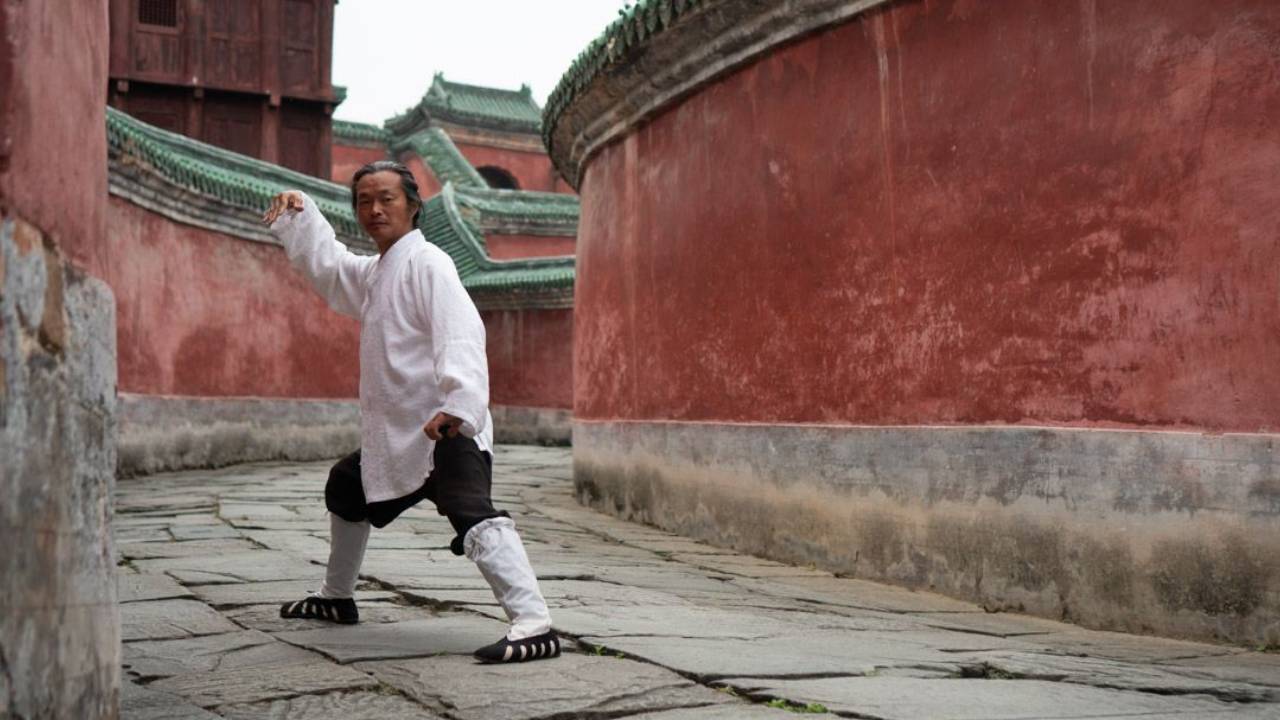
The digital wellness landscape in 2026 has become a minefield of questionable applications promising instant results through AI-powered instruction. Nowhere is this more apparent than in the proliferation of apps claiming to teach authentic tai chi through artificial intelligence. These fake tai chi AI apps flood app stores with promises of rapid mastery, personalised coaching, and transformational benefits, yet they often lack the fundamental understanding that makes tai chi a genuine practice. Understanding how to identify these applications and why they fall short can protect both your time and your wellbeing.
The Rise of AI in Wellness Apps
Technology companies have rushed to integrate artificial intelligence into every corner of the wellness industry. While some applications of AI show promise, the tai chi space has attracted developers who see an opportunity to capitalise on growing interest without understanding the depth of the practice.
The appeal is understandable. AI promises scalability, personalisation, and 24/7 availability. But tai chi is not a simple fitness routine that can be reduced to algorithms and motion tracking. It's a living tradition passed down through generations, requiring subtle adjustments, energy awareness, and the kind of nuanced feedback that only comes from experienced human instruction.
Why Developers Create Misleading Apps
The motivations behind fake tai chi AI apps often centre on profit rather than genuine wellness outcomes. Developing a legitimate tai chi programme requires extensive knowledge, authentic lineage, and ongoing refinement. Creating an AI app, by contrast, can be done quickly with motion capture technology and generic wellness language.
These apps frequently use AI-generated content and marketing materials that sound convincing but lack substance. This pattern isn't unique to tai chi; similar issues have plagued other trending app categories, where knock-off applications trade on a recognisable name while offering little real functionality beyond aggressive subscription upselling.
Red Flags That Signal Fake Tai Chi AI Apps
Learning to spot questionable applications saves you from wasting money and potentially adopting harmful movement patterns. Several telltale signs appear consistently across fake tai chi AI apps.
Exaggerated Claims and Unrealistic Promises
Authentic tai chi develops slowly, building foundation through consistent practice. Apps claiming you'll "master tai chi in 7 days" or "achieve perfect form instantly" reveal their disconnect from reality.
Real tai chi progress includes:
-
Gradual improvement in balance and coordination
-
Deepening awareness of energy flow over months
-
Incremental refinement of posture and alignment
-
Growing understanding of principles through repeated practice
-
Connection to lineage and philosophical foundations
When apps promise rapid transformation without acknowledging the journey, they're selling fantasy rather than authentic practice.
Missing Credentials and Lineage Information
Traditional tai chi flows through lineage, from master to student across generations. Legitimate instruction comes from teachers who studied for years, often decades, with their own masters.
Fake tai chi AI apps typically avoid discussing:
-
Instructor qualifications and training background
-
Lineage connections to established tai chi schools
-
Years of practice required to reach teaching level
-
Specific style being taught (Chen, Yang, Wu, etc.)
-
Philosophical foundation underlying the movements
This absence isn't accidental. Without authentic credentials to share, developers rely on AI branding and vague wellness language to fill the gap.
Generic AI-Generated Content
The quality of instructional content reveals whether real expertise supports an app. Fake tai chi AI apps often feature:
|
Authentic Content |
AI-Generated Content |
|---|---|
|
Specific corrections for common mistakes |
Generic "follow along" instructions |
|
Cultural and philosophical context |
Buzzwords without deeper meaning |
|
Nuanced explanation of energy principles |
Surface-level fitness language |
|
Clear lineage and style identification |
Vague "ancient wisdom" references |
|
Detailed progression through forms |
Random movement sequences |
This problem extends well beyond tai chi, as AI-generated fitness content increasingly blurs the line between genuine instruction and automated content across the wellness industry.
The Dangers of Learning From Fake Apps
Beyond wasted money, fake tai chi AI apps create real risks for practitioners seeking wellness benefits.
Physical Injury From Improper Form
Tai chi appears gentle, but incorrect practice strains joints and muscles. Without proper instruction, practitioners develop compensation patterns that undermine the practice's benefits.
Common injuries from poor instruction include:
-
Knee strain from improper weight distribution
-
Lower back pain from incorrect pelvic alignment
-
Shoulder tension from forced relaxation attempts
-
Hip issues from misunderstood stances
-
Wrist problems from incorrect hand positions
AI cannot observe the subtle adjustments that prevent these issues. An experienced teacher sees when your knee tracks incorrectly or your spine loses alignment, offering immediate correction before patterns set. If you're new to tai chi or have an existing injury, always check with a healthcare professional before starting a new movement practice.
Missing the Energy Component
Tai chi cultivates qi, the vital energy that flows through your body. This internal aspect distinguishes tai chi from simple movement.
Fake tai chi AI apps typically ignore or misrepresent energy work because:
-
AI cannot perceive qi or provide feedback on energy flow
-
Developers lack understanding of internal cultivation practices
-
Energy principles require person-to-person transmission
-
Qi development unfolds through relationship with a teacher
-
Internal awareness grows through subtle, experienced guidance
Without this dimension, you're learning choreography, not tai chi. The deeper benefits remain inaccessible.
Psychological Impact of False Progress
Apps that offer constant positive reinforcement without genuine assessment create an illusion of progress. You may believe you're learning tai chi while actually reinforcing poor habits.
This false confidence becomes problematic when:
-
You attempt to practise with others and discover significant gaps
-
Physical issues emerge from accumulated poor form
-
You realise months were spent on shallow practice
-
Frustration replaces initial enthusiasm
-
Trust in legitimate instruction diminishes
The psychological toll of discovering you've been misled can discourage people from pursuing authentic practice.
How Authentic Instruction Differs
Understanding what genuine tai chi instruction provides helps clarify why AI cannot replace human teachers.
The Role of Lineage and Transmission
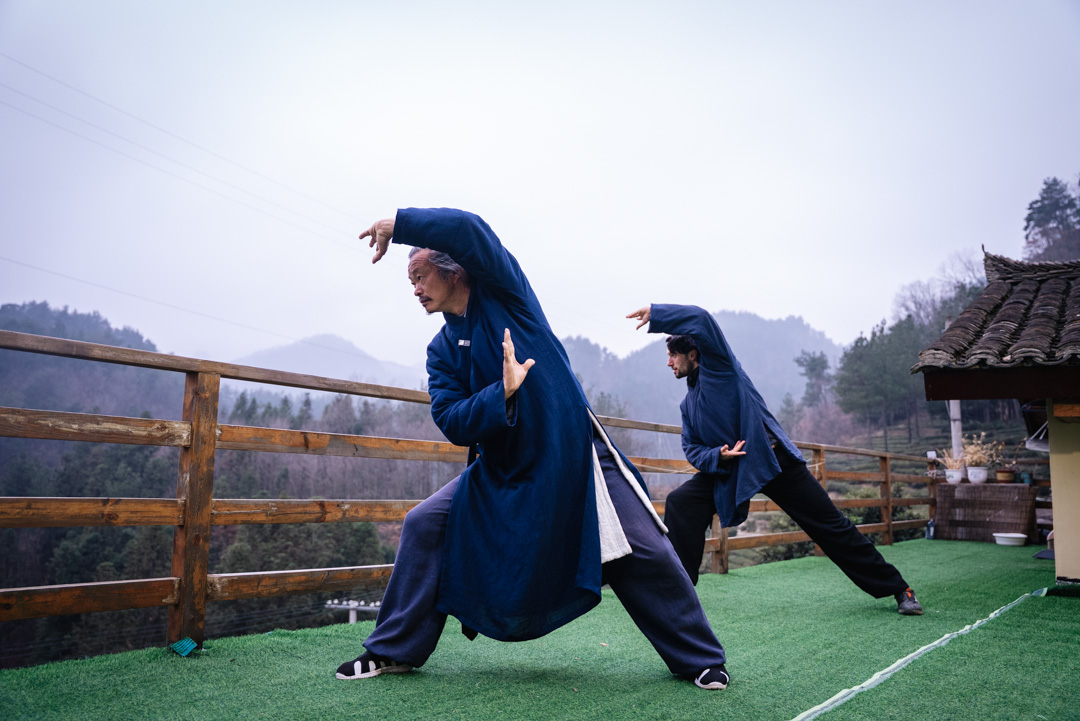
Tai chi masters like our Master Gu carry knowledge passed down through generations. This living lineage ensures techniques remain true to their origins while adapting appropriately to modern students.
Lineage provides:
-
Proven methods refined over centuries
-
Direct correction of subtle errors
-
Energy transmission from teacher to student
-
Cultural context that deepens understanding
-
Community connection to fellow practitioners
These elements cannot be replicated by algorithms or motion-tracking cameras.
Progressive Curriculum Design
Authentic Tai Chi courses build systematically, ensuring each foundation supports the next level. This careful progression prevents injury and maximises learning.
A proper curriculum includes:
|
Beginner Phase |
Intermediate Phase |
Advanced Phase |
|---|---|---|
|
Basic stances and posture |
Form sequences and flow |
Internal energy refinement |
|
Weight shifting principles |
Push hands fundamentals |
Martial applications |
|
Breathing coordination |
Qi cultivation practices |
Teaching transmission |
|
Relaxation techniques |
Philosophy integration |
Lineage understanding |
Fake tai chi AI apps typically skip foundational work, jumping immediately to complicated movements that look impressive but lack substance.
Personalised Feedback and Correction
Every student brings unique body mechanics, flexibility limitations, and learning patterns. Effective instruction adapts to individual needs.
An experienced teacher observes:
-
How your specific body structure affects stance
-
Where you hold tension unconsciously
-
Which corrections will help you most right now
-
How to explain concepts in ways you understand
-
When to encourage versus when to refine
AI algorithms cannot replicate this nuanced, responsive teaching. This limitation is well documented across AI-assisted coaching generally, where the contextual awareness needed for genuinely personalised instruction remains beyond what current systems can offer.
Questions to Ask Before Downloading
Protect yourself by evaluating apps critically before committing time or money.
Instructor Verification
-
Who created this content?
-
What are their credentials and training background?
-
Can you verify their lineage connections?
-
How many years have they practised and taught?
-
Are they associated with recognised tai chi organisations?
If these questions lack clear answers, proceed with caution.
Content Quality Assessment
-
Does the instruction explain why movements matter, not just how to perform them?
-
Is philosophical and cultural context integrated naturally?
-
Are common mistakes addressed specifically?
-
Does progression follow a logical, systematic path?
-
Is the language precise and knowledgeable rather than generic?
Support and Community
Genuine practice grows within community. Apps offering real value typically include:
-
Live sessions or video calls with instructors
-
Community forums for questions and discussion
-
Progression tracking with human oversight
-
Resources for deeper learning
-
Clear pathways to continued study
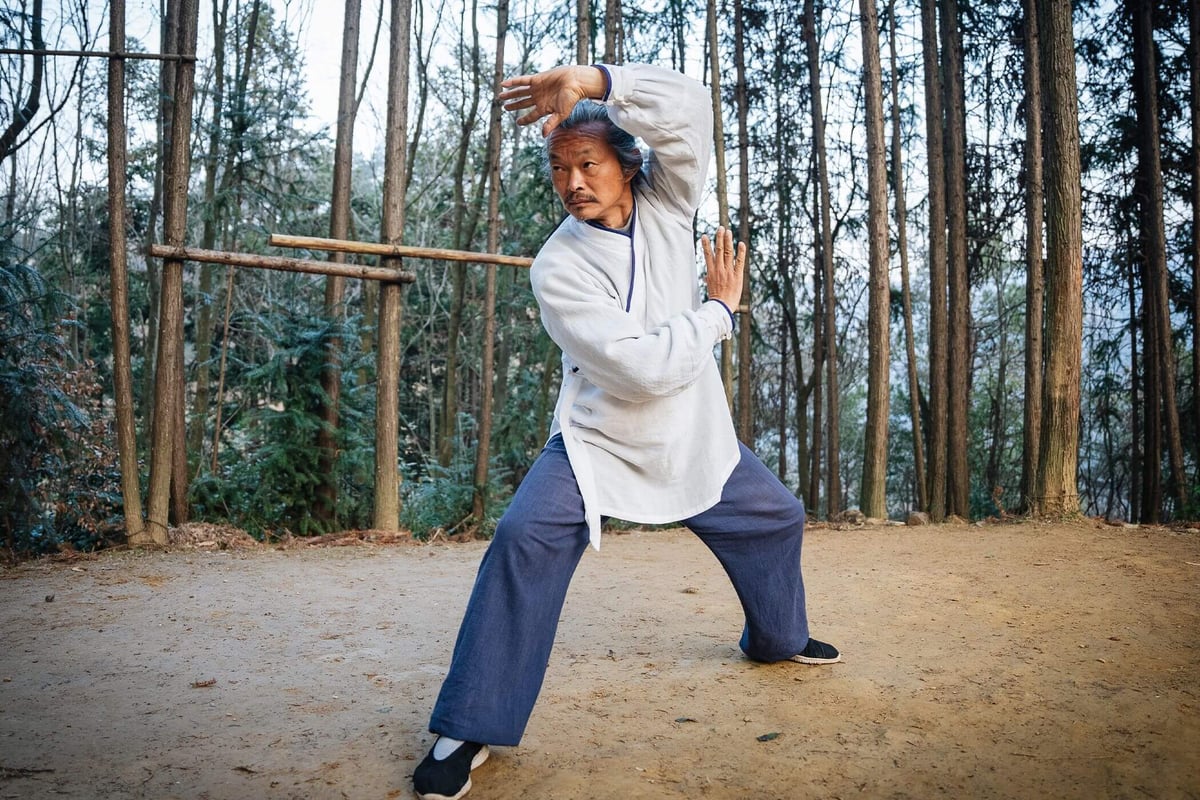
If you're looking for exactly this kind of substance behind the practice, Taoist Wellness Online offers access to authentic instruction from Master Gu, a 15th-generation San Feng Pai Wudang Taoist Master with over 25 years of teaching experience, combining structured curriculum with live monthly sessions, community support, and over 100 hours of lessons grounded in genuine Wudang lineage.
Alternative Approaches to Learning
If fake tai chi AI apps don't serve genuine learning, what options do support authentic practice?
Online Academies With Real Teachers
The digital age enables learning from qualified masters regardless of location. Quality online programmes feature recorded lessons, live interaction, and progressive curricula designed by experienced teachers.
Benefits include:
-
Learning from masters with verified credentials
-
Progressing at your own pace through structured content
-
Accessing community support and questions forums
-
Participating in live sessions for real-time feedback
-
Building relationships with fellow students globally
This approach combines convenience with authenticity, offering the best of both worlds.
Hybrid Learning Models
Some students combine online study with occasional in-person workshops or retreats. This hybrid approach deepens practice through direct transmission while maintaining the flexibility of remote learning.
Consider integrating:
-
Regular online practice with recorded lessons
-
Live video sessions for form corrections
-
Annual workshops or intensive training periods
-
Local practice groups to reinforce learning
-
Reading and study of our Taoist Philosophy course
Starting With Free Resources
Before committing to paid programmes, explore free offerings from legitimate sources. This allows you to assess teaching quality and determine if an approach resonates with you.
Quality free resources maintain the same standards as paid content, providing genuine value rather than bait-and-switch tactics common in fake tai chi AI apps. Our own free Taoist course is one such resource, covering Tai Chi, Qi Gong, Meditation, and Taoist Wisdom, all taught directly by Master Gu.
The Broader Context of AI in Wellness
Understanding fake tai chi AI apps requires examining the larger trend of AI in health and fitness applications.
When AI Adds Value
Not all AI in wellness is problematic. Appropriate applications include:
-
Tracking progress over time through data collection
-
Scheduling reminders for consistent practice
-
Organising learning resources and materials
-
Facilitating community connections among students
-
Supporting administrative functions for teachers
AI works best as a tool supporting human instruction, not replacing it.
Where AI Falls Short
Research examining AI fitness coaching more broadly has raised real concerns about injury risk and inadequate personalisation. These concerns magnify in practices like tai chi that require subtle awareness and energy cultivation.
AI cannot:
-
Perceive and guide internal energy work
-
Understand cultural and philosophical context deeply
-
Adapt teaching to individual learning styles dynamically
-
Transmit lineage knowledge and wisdom
-
Provide the relational foundation that supports growth
Consumer Protection Considerations
As fake tai chi AI apps proliferate, consumers need stronger protections. App stores generally struggle to filter misleading wellness products effectively, which puts the burden of verification on the individual consumer.
You protect yourself by:
-
Researching credentials thoroughly before purchasing
-
Reading reviews critically, watching for patterns
-
Starting with free trials when available
-
Asking questions in wellness communities
-
Trusting your intuition about exaggerated claims
Building Discernment in the Digital Age
The prevalence of fake tai chi AI apps makes discernment an essential skill for modern practitioners.
Trusting Your Inner Wisdom
Taoist practice cultivates awareness that extends beyond techniques. That same awareness helps you recognise authentic teaching when you encounter it.
Notice how content makes you feel:
-
Does it invite patient exploration or promise quick fixes?
-
Does it acknowledge difficulty or claim easy mastery?
-
Does it honour tradition or exploit cultural imagery?
-
Does it build understanding or create dependency?
-
Does it connect you to community or isolate you with technology?
Your body and intuition often recognise authenticity before your analytical mind confirms it.
Valuing Authentic Connection
In an age of digital convenience, the relationship between teacher and student remains irreplaceable. This connection transmits more than technique; it carries wisdom, encouragement, and the living tradition itself.
Authentic teachers offer:
|
Dimension |
How It Manifests |
|---|---|
|
Knowledge |
Deep understanding from years of practice |
|
Presence |
Full attention to your learning process |
|
Patience |
Meeting you where you are without rushing |
|
Integrity |
Honesty about challenges and realistic timelines |
|
Generosity |
Sharing wisdom accumulated through dedication |
No algorithm replicates this human dimension of learning.
Investing in Long-Term Growth
Fake tai chi AI apps appeal to our desire for immediate results. Authentic practice invites you into a lifelong journey of discovery and refinement.
This shift in perspective transforms everything:
-
You embrace gradual progress rather than seeking instant mastery
-
You value depth over breadth in your learning
-
You build relationships that support sustained practice
-
You connect with traditions larger than yourself
-
You discover benefits that unfold over years, not days
Our community becomes increasingly important as your journey deepens, providing support, inspiration, and shared exploration.
Moving Forward With Confidence
Navigating the landscape of digital wellness requires both scepticism about false claims and openness to genuine opportunities for learning.
Creating a Personal Practice Plan
Rather than hoping an app will magically transform your wellbeing, approach practice with intention and realistic expectations.
A sustainable plan includes:
-
Assessment of current state and honest goals
-
Research into qualified teachers and programmes
-
Commitment to consistent practice over months and years
-
Integration with daily life rather than isolated sessions
-
Periodic evaluation and course adjustment
This intentional approach prevents the disappointment that follows investment in fake tai chi AI apps.
Joining Authentic Communities
Connection with fellow practitioners accelerates learning and sustains motivation. Whether online or in-person, authentic communities share knowledge, celebrate progress, and support each other through challenges.
Look for communities that:
-
Welcome questions without judgement
-
Share diverse experience levels
-
Connect to qualified teachers
-
Balance structure with flexibility
-
Emphasise mutual support over competition
Continuing Your Education
Tai chi practice naturally leads to broader exploration of our reading list, meditation, and energy cultivation. This expanded study enriches your movement practice while deepening your understanding of the principles behind the forms.
Consider exploring:
-
Classical Taoist texts and commentaries
-
Qi Gong and energy cultivation practices
-
Meditation techniques that complement movement
-
Chinese cultural context for deeper appreciation
-
Related practices like calligraphy or tea ceremony
This holistic approach transforms tai chi from exercise into a complete wellness path.
Protecting yourself from fake tai chi AI apps requires both critical thinking and trust in authentic lineage-based instruction. When you choose to learn from experienced teachers who carry genuine knowledge, you invest in transformation that unfolds naturally over time, building the foundation for lifelong practice and discovery. If you're ready to skip the guesswork and learn from a real master, Taoist Wellness Online offers access to authentic instruction with Master Gu, a 15th-generation San Feng Pai Wudang Taoist Master with over 25 years of teaching experience, providing the comprehensive guidance and community support that technology alone cannot replicate.