Taoism Quotes: Ancient Wisdom for Modern Balance
Jul 24, 2026
The words of ancient Taoist masters carry a timeless quality that speaks directly to our modern struggles with stress, disconnection, and the relentless pace of daily life. Taoism quotes offer more than philosophical musings; they provide practical guidance for cultivating balance, understanding natural rhythms, and finding stillness amid chaos. Whether you're beginning your journey with Tai Chi and Qi Gong or deepening your understanding of Taoist philosophy, these teachings illuminate the path toward harmony with yourself and the world around you. The wisdom embedded in these simple yet profound statements has guided practitioners for thousands of years, and today they remain as relevant as ever for anyone seeking greater peace and authentic presence.
Understanding the Heart of Taoism Through Words
Taoism quotes primarily emerge from two foundational texts: the Tao Te Ching by Lao Tzu and the writings of Zhuangzi. These texts form the philosophical backbone of practices like Wudang Tai Chi and Qi Gong, offering insights that transform physical movements into spiritual cultivation.
The Tao Te Ching as a Source of Wisdom
The Tao Te Ching contains 81 short chapters, each packed with layered meaning. Lao Tzu's words address everything from personal cultivation to leadership, from understanding nature to embracing paradox. When you encounter phrases like "The journey of a thousand miles begins with a single step," you're touching wisdom that has shaped Eastern thought for over 2,500 years.
Key themes in Tao Te Ching quotes include:
- Wu wei (effortless action)
- The nature of the Tao itself
- Balance between opposites
- Simplicity and naturalness
- The power of softness over hardness
What makes these teachings so compelling is their ability to meet you exactly where you are. A quote that seems simple on first reading reveals deeper layers as your practice matures. This mirrors the experience of learning Tai Chi, where basic movements gradually unfold into sophisticated expressions of internal power.
Zhuangzi's Playful Perspective
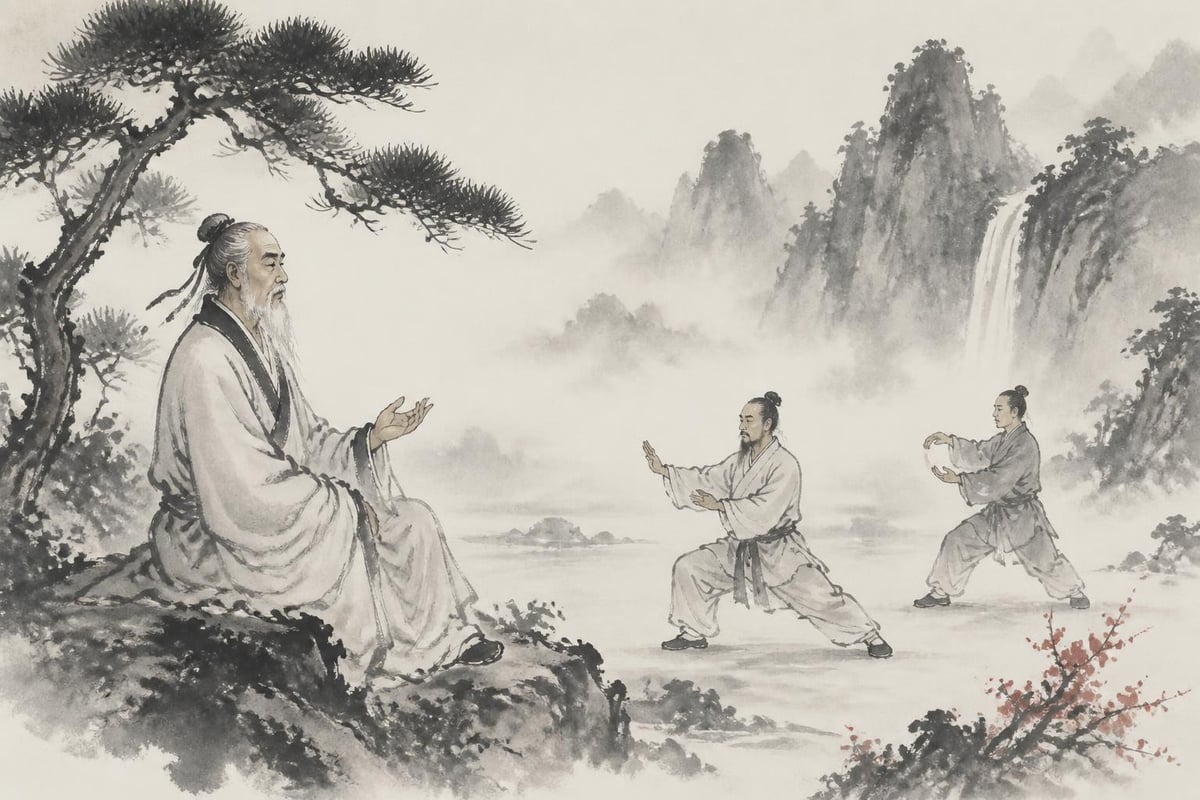
While Lao Tzu offers concise wisdom, Zhuangzi approaches truth through stories, humour, and paradox. His quotes often challenge conventional thinking and invite you to question assumptions about success, identity, and what constitutes a good life.
Zhuangzi reminds us that rigid thinking creates suffering. His famous butterfly dream raises questions about reality and perception that remain relevant for modern practitioners seeking to understand consciousness through meditation and movement.
In the video below, Master Gu shares his insights on how Taoist wisdom can transform your whole life - a beautiful complement to the quotes and teachings explored throughout this article:
Taoism Quotes That Guide Daily Practice
Certain taoism quotes have become touchstones for practitioners worldwide, offering guidance that applies directly to physical practice and everyday challenges.
On Softness and Strength
"Water is fluid, soft, and yielding. But water will wear away rock, which is rigid and cannot yield. As a rule, whatever is fluid, soft, and yielding will overcome whatever is rigid and hard."
This principle forms the foundation of Wudang Tai Chi practice. When you learn to move with softness rather than force, you discover a different kind of strength. The gentle, flowing movements aren't weakness; they're the cultivation of power that doesn't exhaust itself through tension.
| Quote Theme | Practical Application | Practice Area |
|---|---|---|
| Softness over hardness | Releasing tension in movement | Tai Chi forms |
| Stillness in motion | Finding centre while moving | Qi Gong practice |
| Naturalness | Breathing without force | Meditation |
| Balance | Equal weight distribution | Standing practice |
On Stillness and Action
"Do you have the patience to wait till your mud settles and the water is clear?"
This question addresses one of our greatest modern challenges: the compulsion to constantly do something. Taoist practice teaches that stillness isn't laziness or avoidance. It's an active choice to allow clarity to emerge naturally rather than forcing solutions through agitation.
When practising Taoist meditation, this quote becomes embodied wisdom. You learn to sit with uncomfortable thoughts and sensations without immediately reacting, discovering that patience itself is a powerful practice.
Applying Ancient Wisdom to Modern Life
The beauty of taoism quotes lies in their practical application. These aren't abstract concepts meant for scholars alone; they're tools for navigating relationships, work, health, and personal growth.
Navigating Change and Uncertainty
"Life is a series of natural and spontaneous changes. Don't resist them; that only creates sorrow. Let reality be reality. Let things flow naturally forward in whatever way they like."
In 2026, we face unprecedented change - from technology to climate to social structures. This Taoist wisdom doesn't suggest passive acceptance of harm, but rather intelligent adaptation. When you resist what is, you waste energy that could be used for skilful response.
Practical applications include:
- Recognising what you can and cannot control
- Adapting your approach when circumstances shift
- Finding opportunity within challenge
- Releasing attachment to specific outcomes
- Trusting the natural unfolding of events
Cultivating Simplicity
"Manifest plainness, embrace simplicity, reduce selfishness, have few desires."
Modern life pulls us toward complexity, accumulation, and endless wanting. Taoist quotes consistently point back toward simplicity, not as deprivation but as freedom. When you reduce what you think you need, you discover what you actually have.
This principle extends beautifully into Tai Chi practice, where beginners often try to add complexity. Master practitioners demonstrate that true skill lies in distilling movements to their essence, removing everything unnecessary until only pure expression remains.
The Philosophy Behind the Words
Understanding the context of taoism quotes deepens their impact. These teachings emerged from a specific worldview that sees reality as fundamentally interconnected, ever-changing, and beyond complete intellectual grasp.
The Nature of the Tao
"The Tao that can be told is not the eternal Tao. The name that can be named is not the eternal name."
This opening of the Tao Te Ching establishes a central paradox. Words point toward truth but cannot capture it fully. This doesn't make language useless; it makes it provisional - a finger pointing at the moon rather than the moon itself.
For practitioners, this creates healthy humility. No matter how much you study or practise, mystery remains. This openness keeps your practice fresh and prevents the rigidity that comes from thinking you've completely understood.
Yin and Yang in Balance
Many taoism quotes explore the dynamic balance between opposites. Light and dark, active and receptive, expansion and contraction - these aren't enemies but complementary forces that create wholeness.
When practising Qi Gong, you embody this principle through movements that alternate between gathering and releasing, rising and sinking, opening and closing. The quotes provide philosophical grounding for what your body learns through repetition.
Integrating Wisdom Into Personal Growth
Collecting taoism quotes is easy. Living them is the real work. The gap between intellectual understanding and embodied wisdom closes through consistent practice and honest self-reflection.
From Knowledge to Understanding
"Knowing others is intelligence; knowing yourself is true wisdom. Mastering others is strength; mastering yourself is true power."
This distinction matters tremendously. You can memorise every Taoist quote and still miss the point entirely if the wisdom doesn't transform how you actually live. The teachings invite you beneath surface knowledge into the territory of direct experience.
Many students discover this truth when they begin formal training. Our free 4-week Taoist Wellness course offers a practical starting point where philosophical concepts meet physical practice. You learn that understanding the Tao isn't just intellectual - it's something your body knows through movement, your breath knows through stillness, and your heart knows through opening.
Daily Practice With Quotes
Consider choosing a single quote to work with for a week or month. Write it down, speak it aloud, return to it throughout your day. Notice when life presents situations that illuminate its meaning. This transforms passive reading into active learning.
Methods for deeper engagement:
- Morning reflection on a single quote
- Journaling about how the teaching appears in your day
- Discussing quotes with fellow practitioners in the Taoist Wellness Online community
- Noticing when you resist a teaching's truth
- Practising what the quote suggests through specific actions
Living Questions Rather Than Fixed Answers
Perhaps the most valuable aspect of taoism quotes is that they pose questions rather than providing certainty. They invite you into an ongoing relationship with wisdom rather than handing you a completed system.
The Practice of Not-Knowing
"To know yet to think that one does not know is best; not to know yet to think that one knows will lead to difficulty."
This teaching protects against false confidence while encouraging genuine learning. When you approach Tai Chi or meditation with beginner's mind, even after years of practice, you remain open to discovery. The moment you think you've mastered something, your learning stops.
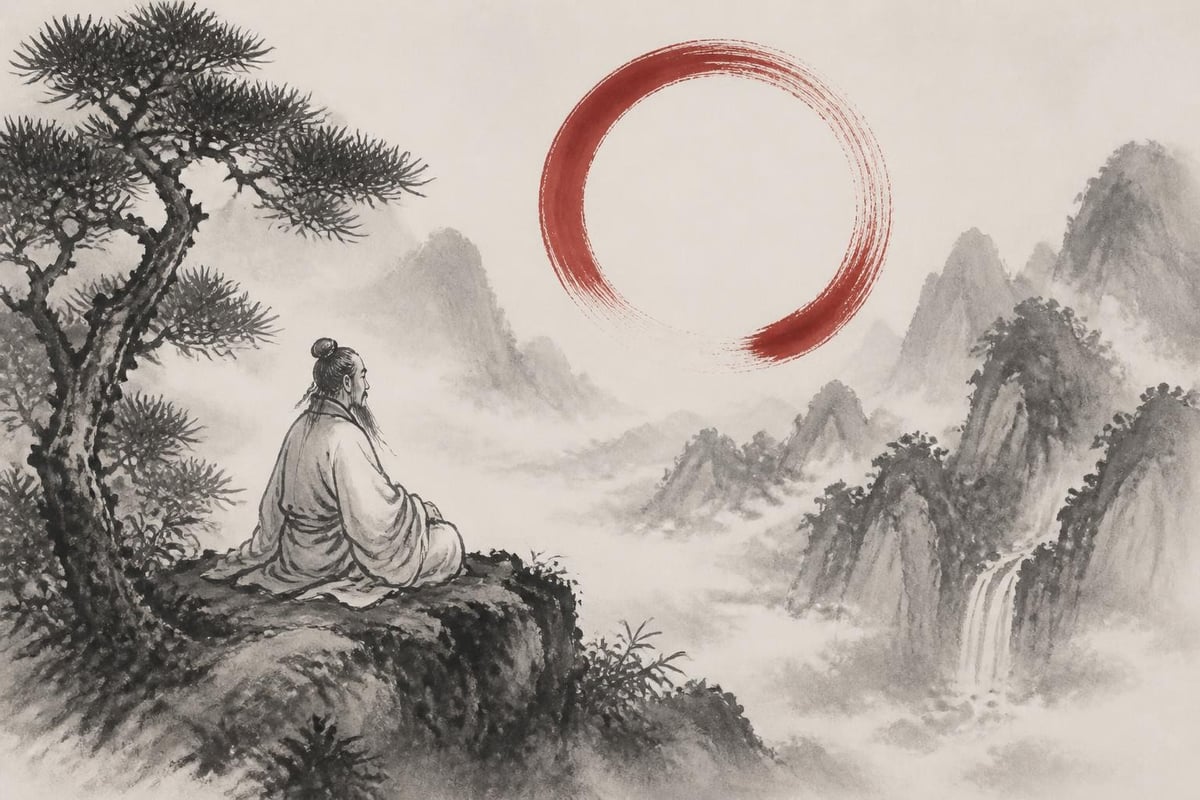
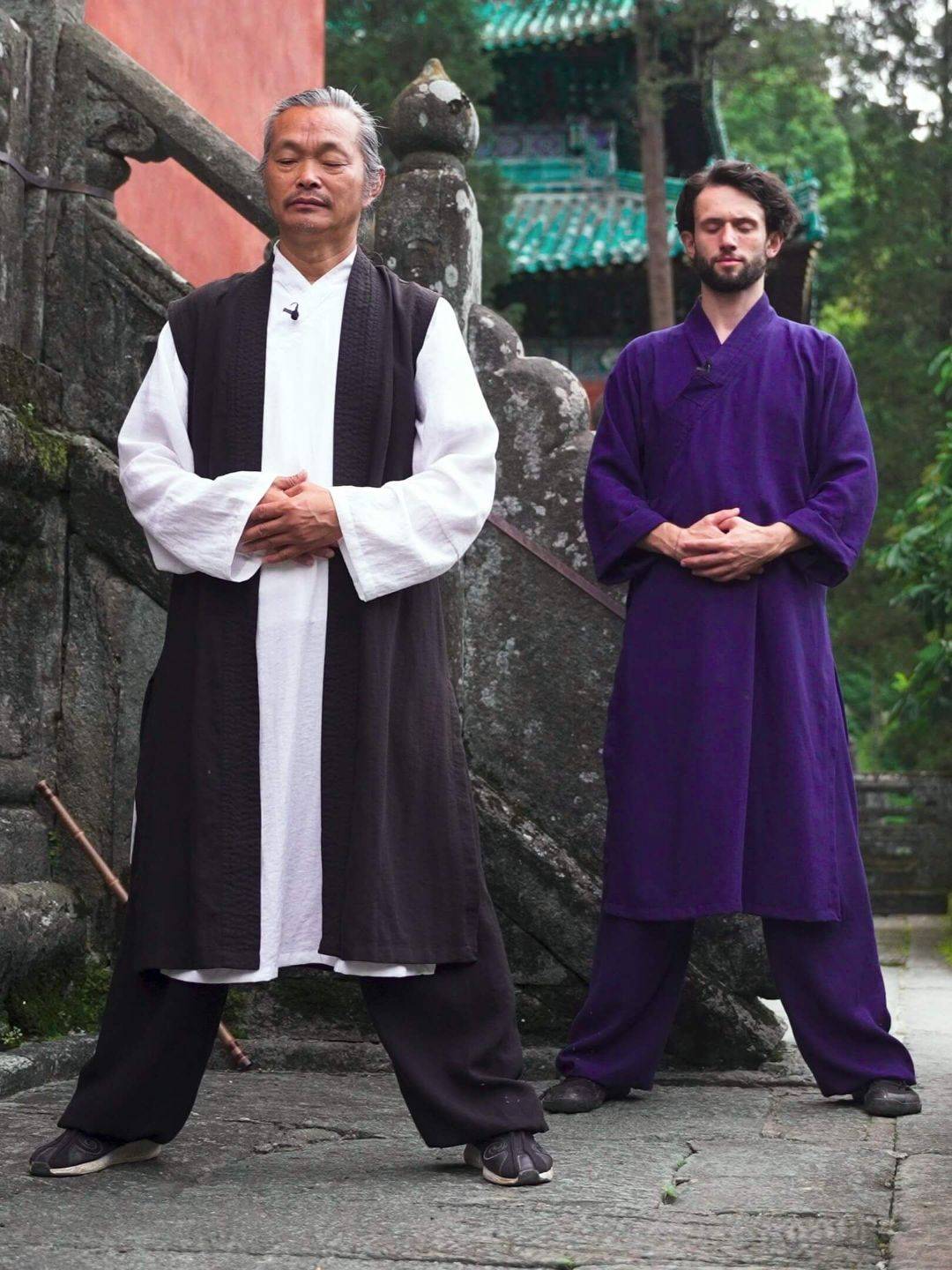
Authentic teachers embody this principle. Master Gu, a 15th-generation San Feng Pai Wudang Taoist Master with over 25 years of teaching experience, continues to explore and refine understanding. This modelling shows students that the path doesn't end at some destination; it deepens continually.
Embracing Paradox
Many taoism quotes appear contradictory on the surface. "Act without doing; work without effort." "The wise man does not speak; the speaking man is not wise." These apparent contradictions point toward truths that logical thinking alone cannot grasp.
Rather than trying to resolve the paradox, sit with it. Let it work on you. Often the resolution comes through practice rather than analysis. When you experience wu wei in movement - acting without forcing - the seemingly impossible makes perfect sense.
| Paradoxical Teaching | Surface Contradiction | Deeper Truth |
|---|---|---|
| Act without doing | Action requires doing | Effortless action through alignment |
| Speak without words | Words are necessary | Teaching through presence and example |
| Win without competing | Competition defines winning | Success through cooperation with natural flow |
| Lead by following | Leaders must direct | Influence through understanding what wants to emerge |
How Quotes Inform Traditional Practices
The philosophical teachings embedded in taoism quotes directly shape the practices passed down through lineages like Wudang. Understanding the quotes helps you practise more intelligently and receive the teachings more fully.
Internal Cultivation Through External Form
"In dwelling, live close to the ground. In thinking, keep to the simple. In conflict, be fair and generous. In governing, don't try to control. In work, do what you enjoy. In family life, be completely present."
This quote outlines an entire approach to living. Each line offers guidance for a different domain, yet all point toward the same principle: align with what is natural and true rather than forcing artificial structures.
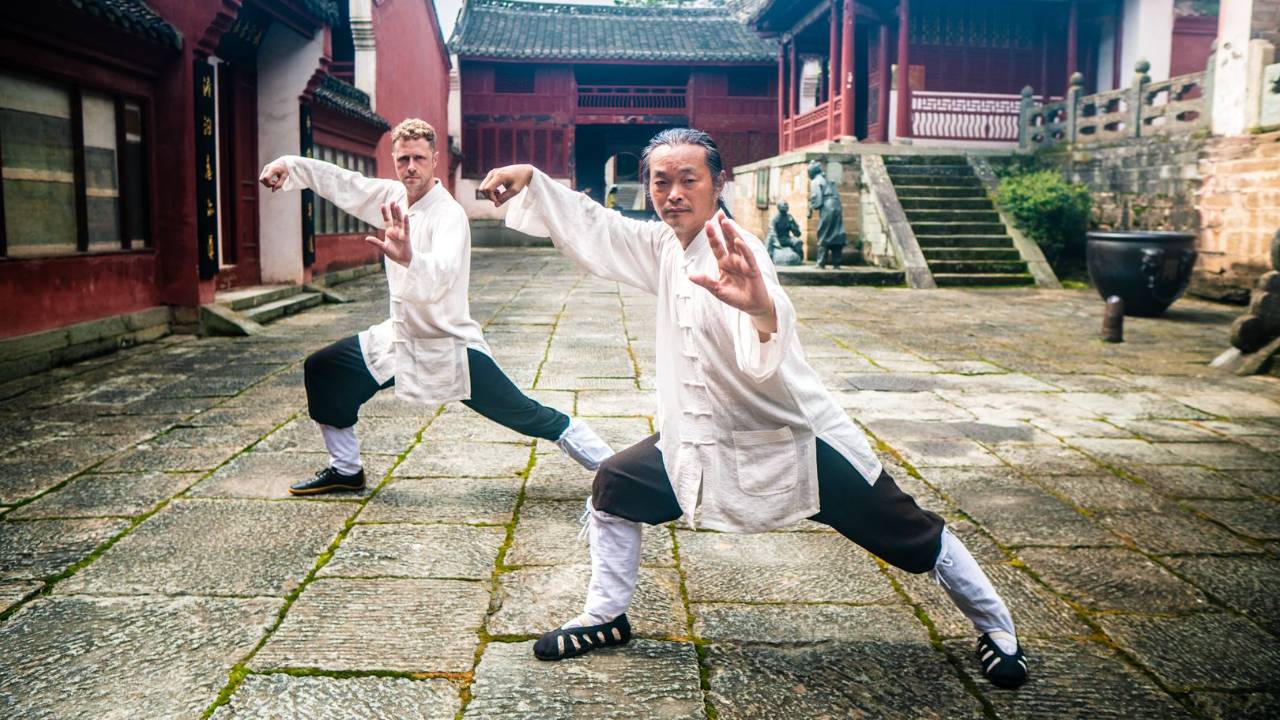
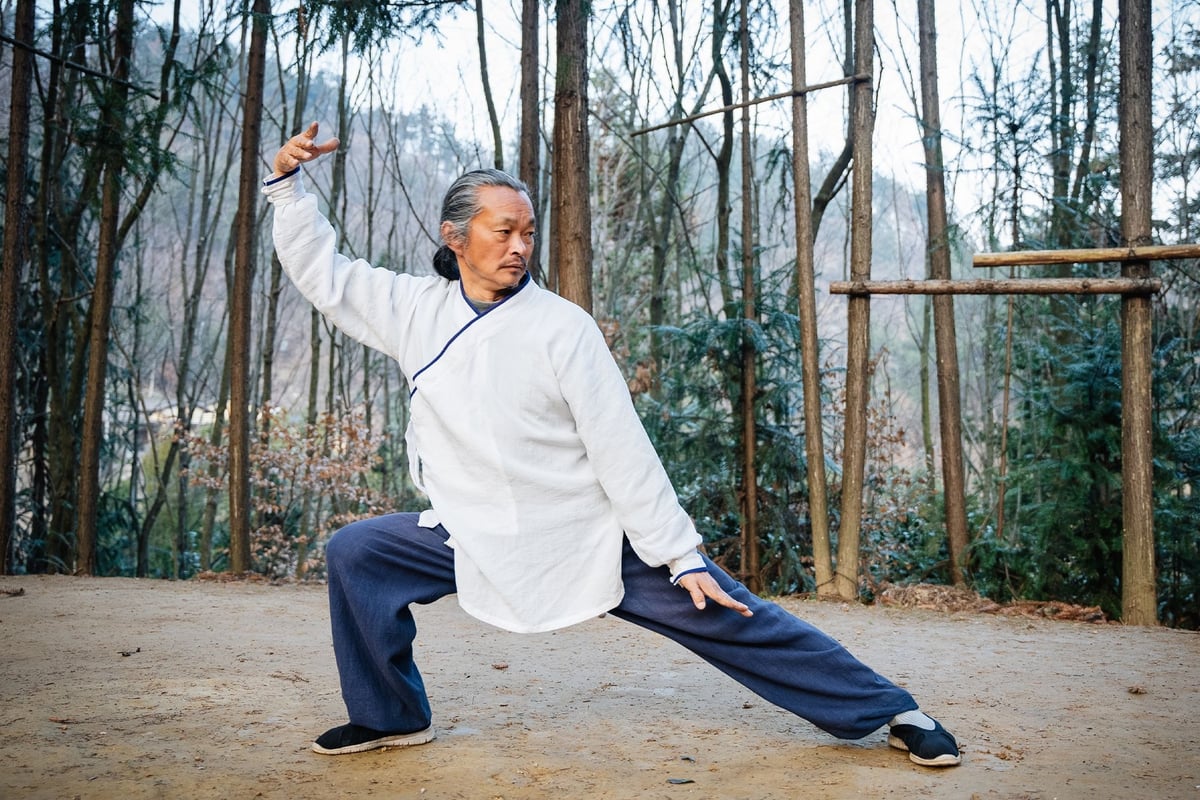
When you practise Tai Chi, each form becomes an opportunity to embody these teachings. Staying low connects you to earth energy. Movements remain simple and direct. Your practice doesn't compete with others. You don't force your body into positions. You find enjoyment in the process. You bring full presence to each moment.
Breath and Energy Work
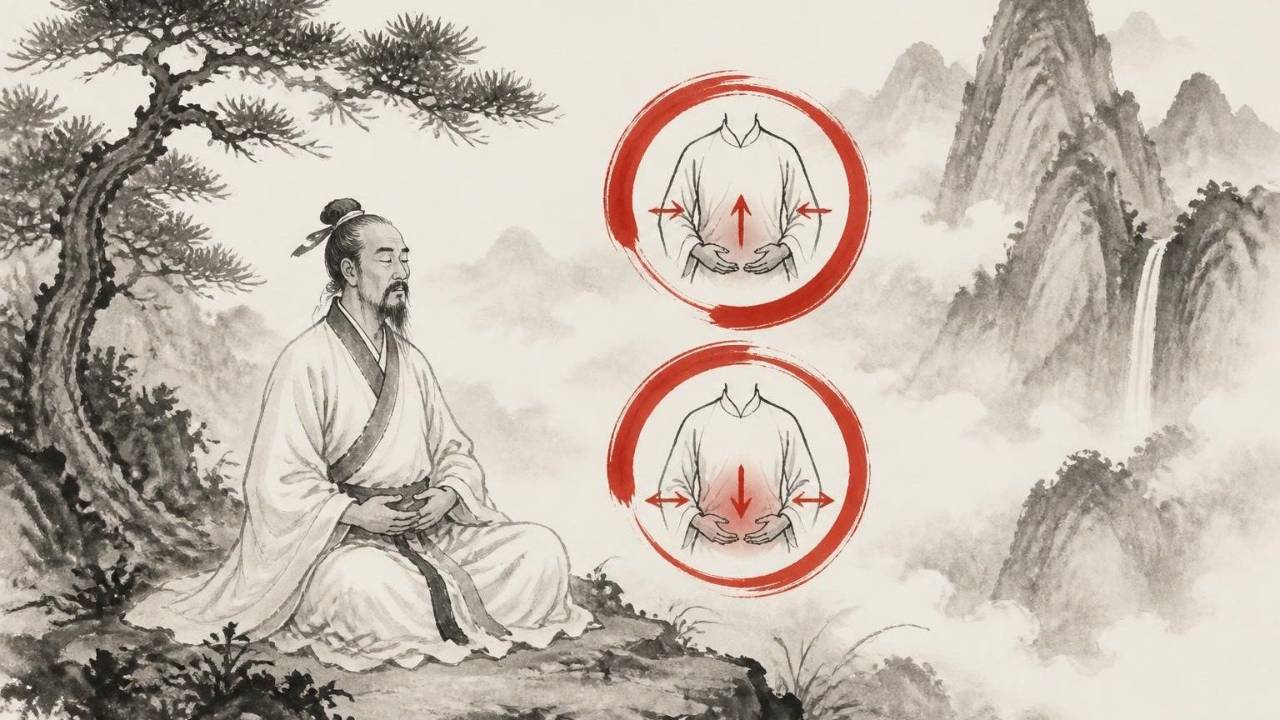
"The perfect man breathes as if he is not breathing." This points toward natural, unforced breath that nourishes without effort.
You can explore these connections further through our Taoist philosophy course, which bridges textual study with practical application. The synergy between intellectual understanding and physical practice creates comprehensive transformation.
Building a Personal Collection of Wisdom
As you encounter taoism quotes from various sources, consider creating your own collection organised by themes that resonate with your current practice and life situation.
Categories That Support Practice
Rather than random collection, organise quotes by practical application:
- Morning practice: Quotes about beginnings, intention, and greeting the day
- Challenges: Wisdom about difficulty, conflict, and adversity
- Rest: Teachings on stillness, restoration, and receptivity
- Relationship: Guidance about connection, communication, and harmony
- Work: Principles for right action and skilful effort
This approach makes the wisdom immediately accessible when you need it most. Over time, certain quotes will become old friends, while others reveal new dimensions as your understanding deepens. Our post on Lao Tzu quotes is a good companion to this article if you'd like to go deeper into specific teachings from the Tao Te Ching.
Sources for Authentic Teachings
When collecting taoism quotes, seek sources that provide context and attribution. Understanding which text a quote comes from and how it relates to surrounding teachings prevents misinterpretation.
The Taoist Wellness Online blog regularly explores how classical teachings apply to modern practice, offering both traditional wisdom and contemporary application. This bridges the historical gap and makes ancient teachings relevant for today's practitioners. For a deeper look at the source texts themselves, our post on Tao Te Ching quotes explores the most resonant passages and what they mean for daily life.
The Transformative Power of Simple Words
What makes taoism quotes so powerful isn't their complexity but their simplicity. They cut through elaborate thinking to touch something essential. A few words can shift perspective, calm anxiety, or illuminate a path forward.
When Wisdom Meets Experience
You might read "Nature does not hurry, yet everything is accomplished" dozens of times before it truly lands. Then one day, perhaps while watching a plant grow or observing your own progress in Tai Chi, the words suddenly mean something entirely different. The gap between reading and understanding closes through lived experience.
This is why consistent practice matters. The quotes remain static, but you change. As you change, you discover layers of meaning previously invisible. Your relationship with the teachings deepens over time, becoming more nuanced and personal.
Beyond Individual Practice
While personal cultivation forms the foundation, Taoist wisdom also addresses collective harmony. Many quotes speak to governance, community, and how individuals relate within larger systems. These teachings remain startlingly relevant for modern organisational challenges and social dynamics.
"Govern a family as you would cook a small fish - very gently." This approach to leadership through subtlety rather than force applies whether you're managing a team, raising children, or participating in community life. The principle scales from personal to collective without losing essential truth.
Taoism quotes offer a bridge between ancient wisdom and modern practice, providing guideposts for anyone seeking greater balance, clarity, and authentic presence. These teachings come alive through consistent practice and honest application to real-life situations. If you're ready to move beyond reading about Taoist principles and begin embodying them through Tai Chi, Qi Gong, and meditation, our free 4-week Taoist Wellness course is the place to start. And when you're ready to go deeper, Taoist Wellness Online offers comprehensive training with Master Gu, a 15th-generation Wudang master, and a global community of practitioners discovering how timeless wisdom transforms daily life.